





Mini Split Repair in Sisters, OR
Restore your comfort quickly and reliably! Mountain View Heating, Inc. delivers professional mini split repair in Sisters, OR. Call us for service today.

Mini Split Repair in Sisters, OR
When you’re dealing with poor airflow, leaking water, odd noises, or a mini split that won’t heat or cool properly in Sisters, OR, it’s time to get the problem handled correctly. Mountain View Heating is known for honest pricing, dependable service, and trusted technicians, using a targeted inspection to identify the cause, eliminate the problem, and help keep the issue from coming back. Mini split issues can disrupt comfort in the rooms you use most, and we respond quickly to restore performance.
Why mini-splits matter in Sisters, OR
- Sisters experiences big temperature swings, cold winters and warm summers. Mini-splits provide zoned comfort with heat-pump efficiency for both heating and cooling.
- Wildfire smoke and regional air quality issues make reliable filtration and proper refrigerant and drain function important to prevent indoor contaminants and moisture problems.
- Many homes are retrofits or additions where installing ductwork is expensive; mini-splits are the preferred solution and restoring them quickly is a priority.
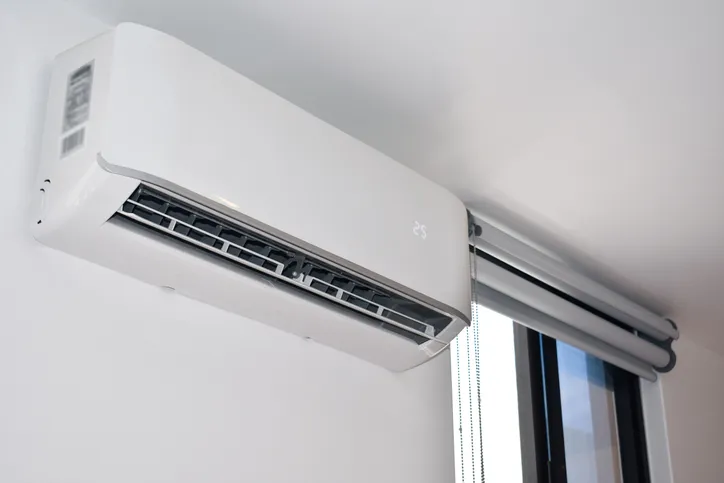
Common mini-split problems in Sisters homes
- Loss of cooling or heating — indoor unit runs but does not produce cold or hot air; common after heavy use seasons.
- Refrigerant leaks — symptoms include ice on the evaporator coil, reduced capacity, and hissing at line connections. Leaks are more common in older systems or after physical damage to the line-set.
- Compressor or inverter faults — outdoor unit won’t start, trips breakers, or shows fault codes. Inverter-driven compressors can fail electronically even if the motor is intact.
- Controller and sensor issues — remote controls, wall controllers, or faulty temperature sensors causing erratic operation or incorrect temperature readings.
- Airflow problems — dirty filters, clogged indoor coils, or failing fan motors leading to weak airflow and reduced efficiency.
- Drain and condensate problems — blocked drain lines or pan issues causing indoor water leaks or mold risk.
- Electrical and protective components — failed capacitors, contactors, fuses, or damage from power surges, particularly after seasonal storms.
How technicians diagnose a mini-split problem
Diagnosing a mini-split balances visual inspection with electrical and refrigerant tests to pinpoint root causes rather than just symptoms.
Typical diagnostic steps:
- System walk-through and symptom review — confirm when the problem started, recent events (power outages, storms, renovations), and which zones are affected.
- Visual inspection — indoor and outdoor unit condition, visible damage to line-set, coil cleanliness, and drainage.
- Controller and fault-code check — read error codes from indoor units or controllers; many modern units indicate inverter, sensor, or communication faults.
- Electrical tests — measure voltage, compressor and fan motor amp draw, check capacitors, fuses, and wiring continuity.
- Refrigerant checks — measure suction and discharge pressures, inspect for oil staining or audible leaks, and verify proper charge relative to manufacturer specs.
- Airflow and coil inspection — test blower function, measure airflow, and check evaporator coil icing patterns to identify low refrigerant vs airflow restrictions.
- Safety and controls — test safety interlocks, defrost operation, reversing valve function, and thermostat sensors.
Every diagnostic includes attention to safety and proper documentation of findings before recommending repairs.
Typical repair solutions and parts replacement
Repairs focus on restoring safe, efficient operation and addressing the underlying cause of the failure.
Common repairs:
- Refrigerant leak repair and recharge — locate and repair the leak, replace filter drier, evacuate and recharge to correct charge. Repairs are performed to code and require certified refrigerant handling.
- Compressor replacement or outdoor unit swap — when compressors fail mechanically or electrically, the outdoor assembly or compressor module may be replaced. Modern inverter systems need careful matching of replacement parts.
- Inverter/PCB replacement — faulty inverter boards or control PCBs are replaced when diagnostics show electronic failure; reprogramming or matching firmware may be required.
- Fan motor and blower repairs — replace indoor blower motors, fan assemblies, or clean/repair blower wheels that are noisy or not spinning.
- Expansion valve or TXV replacement — incorrect superheat or fluctuating pressures may require component replacement.
- Controller, sensor, and remote replacement — replace faulty remotes, wall controllers, or temperature sensors causing incorrect setpoint readings.
- Drain line and condensate pan repairs — clear blockages, repair cracked pans, and ensure proper slope and trap for reliable drainage.
- Line-set and insulation repair — repair damaged refrigerant lines and replace degraded insulation to prevent efficiency losses.
- Routine maintenance tasks — coil cleaning, filter replacement, verifying electrical connections, and system calibration.
Technicians prioritize repairs that provide the longest-term reliability; for some older systems replacement of major components may be recommended if parts are obsolete or repeated failures occur.
Emergency response and safety considerations
Loss of heat in winter or failure during periods of poor outdoor air quality creates urgency. Emergency repairs focus on temporary safe operation followed by permanent fixes.
What to expect with emergency work:
- Rapid on-site safety checks (electrical isolation, refrigerant leak containment, and condensate mitigation).
- Temporary measures when needed to restore basic heating or cooling while parts are sourced.
- Permanent repairs scheduled promptly with safe handling of refrigerants and proper disposal of failed components.
- Priority given to homes with vulnerable occupants or severe temperature risk.
All refrigerant work follows industry regulations and requires certified technicians; electrical components are serviced only after confirming safe power isolation.
Typical repair timelines and what affects them
- Small fixes and component swaps (capacitors, filters, controllers): often resolved the same day within a couple of hours if parts are in stock.
- Refrigerant leak detection and repair: can take a half day to a full day depending on leak location and accessibility; evacuating and recharging the system adds time.
- Compressor or outdoor unit replacement: commonly requires a full day and may require additional time for parts ordering or to match inverter electronics.
- Complex diagnostics or hard-to-access line repairs: may extend to multiple days if access requires home modification or if refrigeration piping must be replaced.
Factors that influence timelines include parts availability, system age and model, accessibility of piping and equipment, and seasonal demand for HVAC services.
Preventive steps to extend service life
- Schedule seasonal tune-ups before the heating and cooling seasons to catch issues early.
- Keep outdoor units clear of debris, snow, and vegetation; maintain line-set insulation.
- Replace or clean indoor filters regularly and ensure adequate airflow around indoor units.
- Monitor for unusual noises, frequent cycling, or error codes and address them promptly to avoid larger failures.
Timely repairs and regular maintenance keep mini-splits running efficiently in Sisters’ seasonal climate and help maintain indoor comfort and air quality year-round.
Restore Comfort Fast With Mountain View Heating, Inc.
When your mini-split system breaks down, don’t wait for the weather to decide your comfort — trust Mountain View Heating, Inc. for expert diagnosis, quick repairs, and lasting results. Our certified team handles everything from refrigerant leaks to inverter replacements with precision and care. We’re committed to restoring your home’s comfort and air quality efficiently, backed by dependable service and transparent communication. Ready to schedule your repair or explore your comfort options? Contact us today or learn more about our convenient financing solutions to make your repair stress-free.