






Furnace Tune Up in Sisters, OR
When you’re dealing with longer run times, reduced efficiency, minor performance issues, or a furnace that hasn’t had seasonal care in Sisters, OR, it’s time to get the problem handled correctly. Mountain View Heating is known for honest pricing, dependable service, and trusted technicians, using a targeted inspection to spot wear early, eliminate the problem, and help keep the issue from coming back through detailed tune-up work. A missed tune-up can lead to avoidable repair calls, and we move quickly to keep your furnace running reliably.
Why a furnace tune up matters in Sisters, OR
Sisters sits in Central Oregon’s high desert near the Cascades. Winters can bring long stretches of cold, clear nights and occasional heavy cold snaps. Local factors that make regular tune ups important include:
- Dry, dusty air and seasonal wildfire smoke that increase particle buildup in filters and burners.
- Extended heating seasons that increase run time and wear on motors, bearings, and controls.
- Temperature swings that place additional stress on ignition systems and thermostats.
A proper tune up helps prevent midwinter breakdowns, reduces fuel waste, and lowers the risk of safety hazards such as carbon monoxide leaks.
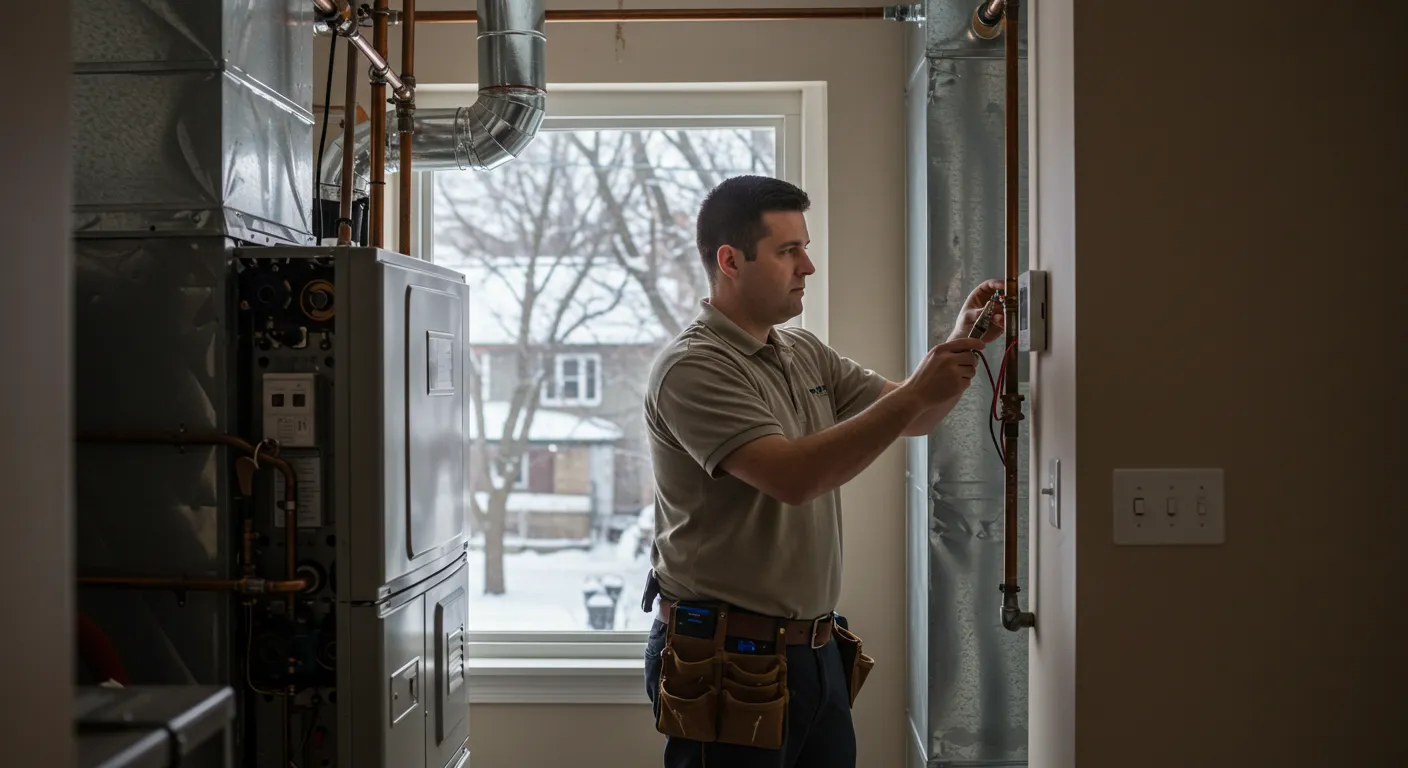
Common furnace tune up issues in Sisters, OR homes
- Dirty burners and clogged pilot assemblies that cause poor ignition or yellow flames.
- Improper combustion and flame instability from sooty deposits or incorrect fuel/air mixture.
- Clogged filters and dust accumulation that reduce airflow and force the furnace to work harder.
- Malfunctioning safety controls, including limit switches and flame sensors.
- Wear on blower motors and bearings leading to noisy operation and higher electrical draw.
- Cracked or corroded heat exchangers that present a carbon monoxide risk.
- Thermostat calibration drift causing short cycling or uneven heating.
Furnace tune up checklist
A full tune up covers visual inspection, cleaning, testing, and adjustments. Key steps include:
- Visual inspection
- Check exterior panels, access doors, and venting for damage or blockage.
- Inspect flue and chimney connections for corrosion, loose joints, or animal nests.
- Clean and service combustion components
- Clean burners and pilot assembly of soot, dust, and debris.
- Inspect and clean the ignition system or pilot as needed.
- Verify correct flame pattern and color.
- Combustion analysis and adjustment
- Measure combustion gases with a combustion analyzer.
- Adjust gas pressure and air shutter settings for optimal fuel-to-air ratio.
- Confirm safe and efficient CO and O2 readings within manufacturer specifications.
- Heat exchanger inspection
- Visually inspect for cracks, corrosion, or deformation.
- Use a mirror or camera as needed to view internal surfaces.
- Note any signs that require immediate attention or replacement.
- Safety control testing
- Test the operation of the high-limit switch, rollout switches, and flame sensor.
- Verify the burner shuts off properly under fault conditions.
- Check gas valve operation and sequence of safety interlocks.
- Airflow and blower system
- Replace or recommend replacement for dirty filters.
- Clean blower wheel and motor housing of dust and debris.
- Lubricate blower motor bearings where applicable.
- Measure blower motor amperage and compare to manufacturer specs.
- Electrical and component checks
- Inspect wiring connections for tightness and corrosion.
- Test capacitors and relays for proper operation.
- Check thermostat calibration and communication with the furnace.
- Venting and draft confirmation
- Verify proper draft through the flue and venting system.
- Inspect for obstructions and confirm cap, termination, and clearances meet code.
- Final operational tests
- Run the system through a full heating cycle to observe startup, operation, and shutdown.
- Confirm steady, even heat output and stable cycling.
- Recheck combustion readings after adjustments.
What technicians look for and how they test
Technicians use a combination of experience, visual inspection, and diagnostic tools to verify safe, efficient operation. Typical tools and checks:
- Combustion analyzer to measure CO, CO2, O2, and efficiency.
- Manometer to check gas pressure.
- Multimeter for electrical testing.
- Amp clamp to measure motor current draw.
- Inspection camera or mirror for heat exchanger and flue inspection.
- Thermometer and thermostat calibration tools.
These measurements determine whether simple adjustments will restore efficiency or whether repair or replacement is needed for major components.
Safety and the heat exchanger
The heat exchanger is one of the most critical components checked during a tune up. Cracks or corrosion can allow combustion gases, including carbon monoxide, to enter the living space. Technicians inspect for visible damage and rely on combustion readings and pressure tests to catch hidden issues. Because carbon monoxide is colorless and odorless, a tune up is a vital preventive safety measure for every home in Sisters, OR.
Benefits of an annual furnace tune up
- Improved safety through verified combustion and functioning safety controls.
- Better energy efficiency and lower fuel costs by ensuring optimal combustion and airflow.
- Extended equipment life by reducing stress on components and preventing premature failure.
- Fewer unexpected breakdowns during peak heating periods.
- Cleaner indoor air due to cleaner burners, blower components, and fresh filters.
- Peace of mind knowing the system has been professionally inspected for hidden hazards.
When to schedule and simple homeowner maintenance
- Frequency: Annual tune ups before the heating season are recommended for most homes; higher-use systems or older equipment may benefit from twice-yearly checks.
- Best timing: Schedule in early fall before continuous cold sets in, or late summer to avoid the busiest season.
- Homeowner steps between tune ups:
- Replace or clean filters every 1 to 3 months during the heating season.
- Keep vents and return grilles unobstructed.
- Keep the furnace area clear of storage and debris.
- Note unusual noises, odors, soot, or persistent cycling and have them inspected promptly.
A comprehensive furnace tune up in Sisters, OR is a decision that protects your family, reduces operating costs, and preserves comfort through the cold months. Regular professional maintenance paired with simple homeowner care delivers reliable, efficient heating and reduces the likelihood of emergency repairs when you need heat most.
Schedule Your Furnace Tune-Up With Mountain View Heating, Inc. Today!
Don’t wait for the first freeze to discover your furnace isn’t ready. Mountain View Heating, Inc. has been trusted by homeowners in Sisters, OR for decades, providing expert heating solutions that combine precision, safety, and long-term reliability. Whether your system needs a seasonal check, minor repair, or full inspection, our certified technicians ensure you’re warm and worry-free all winter. Schedule your furnace tune-up today and enjoy dependable comfort with convenient financing options that make it easier to maintain your home’s heating system without breaking your budget.