






Heat Pump Replacement in Bend, OR
When you’re dealing with an aging heat pump, higher energy bills, uneven temperatures, or repeated repair calls in Bend, OR, it’s time to get the problem handled correctly. Mountain View Heating is known for honest pricing, dependable service, and trusted technicians, using a targeted inspection to confirm replacement needs, eliminate the problem, and help keep the issue from coming back with the right equipment choice. When your heat pump stops being dependable, we move quickly to replace it with efficient year-round comfort.
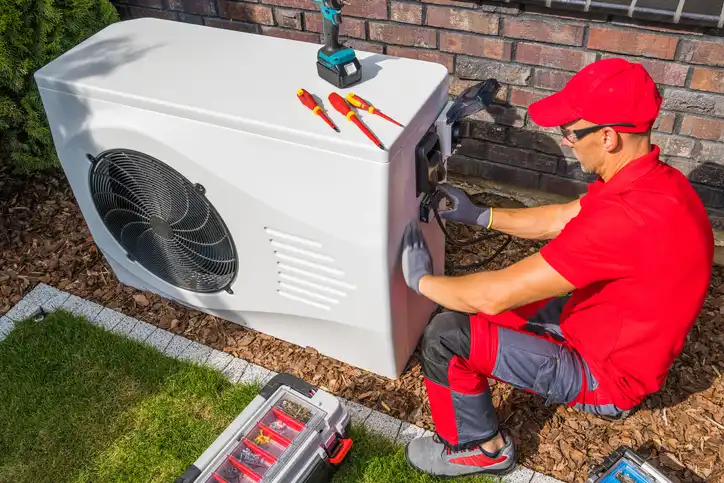
Why replace your heat pump now
An older heat pump may still run, but it can cost more to operate, break down more often, and fail to keep your home comfortable during Bend’s cold snaps. Signs you should consider replacement include:
- Frequent repairs or rising repair costs
- Significantly higher electric bills in winter or summer
- Inconsistent comfort between rooms
- System short cycling or reduced capacity on cold days
- Refrigerant leaks or obsolete refrigerant types
- Unit age 10-15 years or more
Replacing at the first sign of serious decline often saves money over time by avoiding emergency failures and improving efficiency.
Common heat pump replacement issues in Bend OR
Bend’s altitude and seasonal temperature swings create unique demands:
- Reduced heat output during subfreezing nights if the model is not rated for low ambient performance
- Frequent defrost cycles that can reduce effective heating time
- Older ductwork leaks and insulation issues that reduce efficiency in cold weather
- Electric service or breaker capacity limitations for newer systems with heat strips or variable-speed compressors
A proper replacement plan addresses these local challenges rather than simply swapping out like-for-like equipment.
System evaluation: what to expect before replacement
A careful evaluation prevents surprises and ensures the new system meets your needs:
- Load calculation (Manual J) to size the new heat pump based on your home’s insulation, windows, orientation, and occupancy
- Ductwork inspection for leakage, insulation, and airflow capacity
- Electrical service assessment to confirm panel and breaker capacity
- Existing equipment and refrigerant check to plan for proper disposal and code compliance
- Comfort goals discussion: year-round comfort, prioritizing heating performance, or maximizing efficiency
This evaluation determines whether a high-capacity cold-climate air-source heat pump, a ductless mini-split, or another setup is right for your home.
Choosing equipment for Bend’s climate
Bend homeowners should consider models and features suited to cold, dry conditions:
- Cold-climate heat pumps: rated to maintain capacity at low ambient temperatures and reduce reliance on electric backup heat
- Variable-speed, inverter-driven compressors: better part-load efficiency, quieter operation, and more consistent temperatures
- High HSPF and SEER ratings: prioritize winter heating efficiency (HSPF) and summer cooling (SEER)
- Ductless mini-splits for additions, rooms without ducts, or zoned comfort
- Properly sized heat strips or backup systems for extreme low-temperature days
Selecting a system matched to local extremes improves comfort and reduces operating costs compared with standard models designed for milder climates.
Installation process: step-by-step
A professional replacement follows a clear process to ensure safety and performance:
- Finalize equipment selection and obtain required permits.
- Site preparation clear work area, protect flooring and landscaping.
- Remove old outdoor and indoor components and responsibly handle refrigerant recovery.
- Modify or upgrade ductwork and insulation if needed.
- Install new outdoor unit and indoor air handler or wall-mounted heads for ductless systems.
- Run new line sets, electrical wiring, and condensate drainage.
- Commissioning, charge refrigerant precisely, verify airflow, test electrical connections, and calibrate controls.
- Post-install clean-up and homeowner orientation on operation and maintenance.
A quality replacement includes testing to manufacturer specifications and local code compliance.
Efficiency comparisons and savings expectations
New heat pumps, especially cold-climate and inverter models, can dramatically outperform units more than a decade old:
- Typical efficiency improvements: 20% to 50% depending on the old unit and the replacement model
- More consistent heating at low temperatures reduces supplemental electric heat usage
- Variable-speed units provide additional savings and better humidity control in summer
Actual savings depend on home envelope, usage patterns, and local electricity rates. An accurately sized, well-installed system provides the best path to meaningful savings.
Potential rebates and incentives
Bend homeowners may qualify for rebates or tax credits that reduce upfront cost. Common incentive types include:
- Utility rebates for high-efficiency heat pumps from local electric providers
- State or regional incentive programs that target decarbonization and energy efficiency
- Federal tax credits for qualifying heat pump installations (subject to current rules)
Eligibility and amounts vary. Documentation such as equipment specifications and installation details is typically required for rebate or credit applications.
Post-installation performance verification and warranty
After installation, thorough performance verification ensures the system delivers expected results:
- Refrigerant charge and superheat/subcooling checks
- Measured airflow and temperature split testing
- Electrical load and safety checks
- Thermostat programming and zoning adjustment
- Demonstration of system operation and maintenance needs to the homeowner
Most modern heat pumps carry manufacturer warranties on compressors and parts; installer workmanship warranties vary. Keep documentation for future service and incentive requirements.
Maintenance and long-term tips
To protect your investment and sustain efficiency:
- Schedule annual maintenance focused on heating season prep
- Replace or clean filters regularly to preserve airflow
- Maintain clear airflow around outdoor units, especially in snow months
- Address duct leaks and insulation upgrades to reduce load
- Use smart thermostats or zoning controls to match occupancy and save energy
A proactive maintenance plan extends system life and keeps performance high.
Benefits of replacing your heat pump in Bend OR
A climate-appropriate replacement delivers:
- Better winter heating performance during cold spells
- Lower energy bills and reduced reliance on backup electric heat
- Improved comfort and quieter operation
- Potential incentives and a modern, more reliable system
Careful evaluation, climate-appropriate equipment selection, and professional installation are the keys to a successful heat pump replacement in Bend, Oregon.
Call Us Today
Upgrading your home with a new heat pump in Bend, OR ensures dependable comfort, energy efficiency, and better performance through Central Oregon’s cold winters and warm summers. Mountain View Heating, Inc. provides professional system evaluations, precise sizing, and expert installation tailored to Bend’s high-desert climate. Our technicians ensure your new system is designed and installed for maximum comfort, efficiency, and reliability.
Enjoy stress-free installation with flexible financing options and ongoing care through our Comfort Club maintenance program. Start saving energy and experience year-round comfort in your home. Contact us today to schedule your heat pump replacement with Mountain View Heating, Inc. in Bend, OR.