






UV Lights in Sisters, OR
When you’re dealing with musty odors, microbial concerns, stale air, or indoor air that never feels as clean as it should in Sisters, OR, it’s time to get the problem handled correctly. Mountain View Heating is known for honest pricing, dependable service, and trusted technicians, using a targeted inspection to identify air treatment needs, eliminate the problem, and help keep the issue from coming back with properly installed UV light solutions. Air treatment should be handled with a clear plan, and we move quickly to improve indoor air quality.
What UV Germicidal Light Systems Do for Your HVAC and Home Air Quality
- Inactivate biological contaminants: UV-C light damages the DNA or RNA of bacteria, mold spores, and many viruses, preventing replication.
- Keep coils and drain pans cleaner: Coil-mounted UV lamps reduce biological growth on evaporator coils and drain pans, improving efficiency and reducing HVAC odors.
- Complement filtration: UV lights do not remove particles like smoke or dust. They work best combined with quality filters or air purifiers to address both particles and microorganisms.
- Reduce maintenance issues: Cleaner coils and drain pans lower the risk of blocked drains, reduced airflow, and premature component wear.
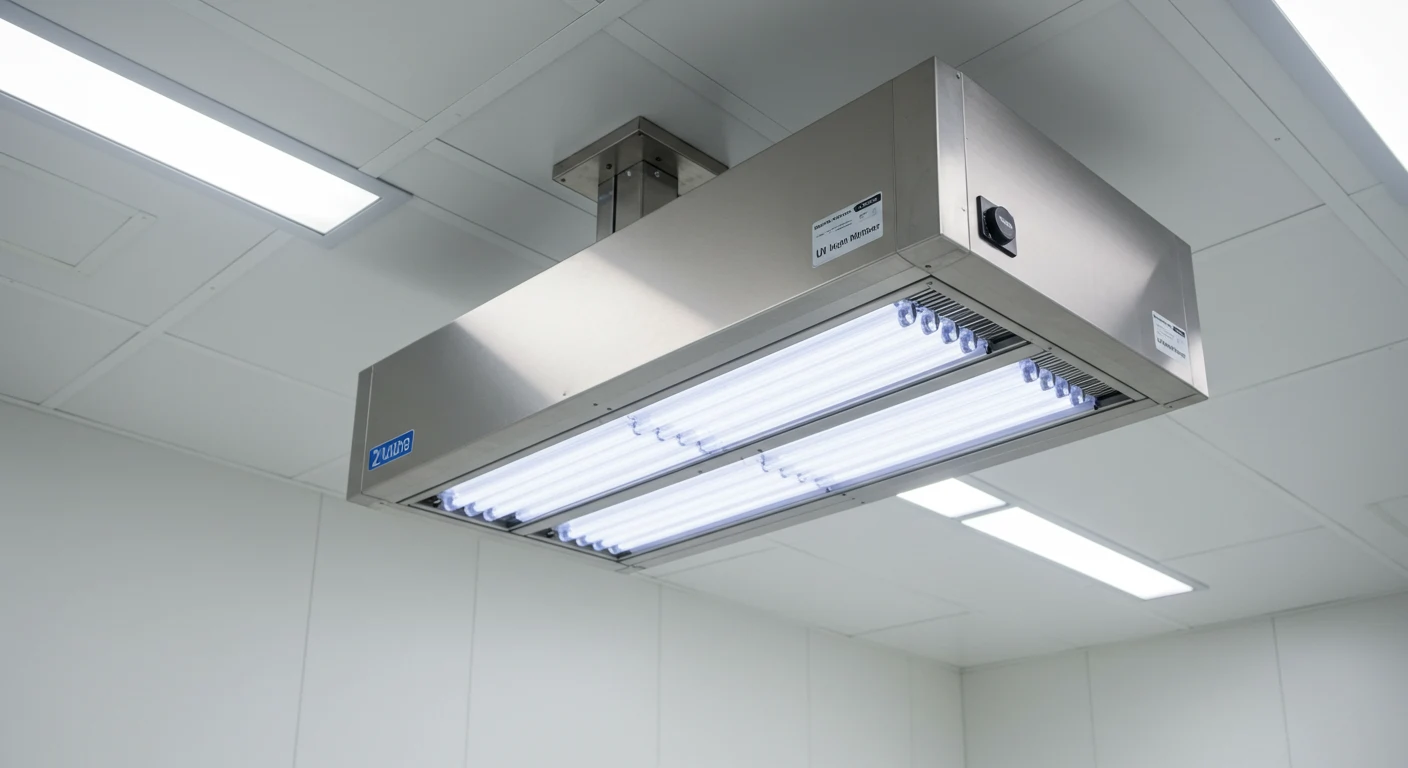
Common UV light system types and where they’re installed
- Coil-mounted UV lamps (often above the indoor evaporator coil)
- Primary purpose: prevent mold and biofilm buildup on the coil surface.
- Benefit: helps maintain heat transfer efficiency and reduces musty odors when the AC runs.
- In-duct UV systems
- Primary purpose: disinfect air as it passes through the ductwork.
- Benefit: continuous air-stream exposure provides broad coverage for ducted systems.
- Combined systems
- Some homes use both coil-mounted and in-duct lamps for targeted coil protection plus whole-home air treatment.
Is a UV system right for Sisters homes?
Consider a UV system if you experience any of the following:
- Persistent musty smells when the AC runs or after long periods of inactivity.
- Recurrent mold growth in the HVAC cabinet, on coils, or around drain pans.
- Family members with chemical or dust sensitivities who still experience symptoms despite filtration.
- Desire to reduce biological contaminants during wildfire season and beyond (note: UV reduces microbes but does not remove smoke particles).
Installation and compatibility with existing systems
- Most ducted furnaces, air handlers, and central AC systems are compatible with coil-mounted or in-duct UV installations. UV systems are typically not suitable for standard wall-mounted ductless mini-splits without manufacturer-specific solutions.
- Assessment step: a qualified HVAC technician evaluates available space, coil access, duct layout, and electrical capacity before recommending lamp type and placement.
- Installation basics:
- Power is turned off to the air handler for safe mounting.
- The lamp is secured in a position that maximizes exposure to the coil or airflow while preventing occupant exposure.
- Wiring is connected to the system transformer or dedicated ballast; labels and safety covers are installed to prevent accidental exposure.
- Where required, interlocks or switches ensure lamps turn off when service panels are opened.
Safety considerations
- UV-C light is harmful to skin and eyes with direct exposure. Proper installation places lamps inside the air handler or ducts so occupants and service personnel are not exposed during normal operation.
- Ozone concerns: Some older UV lamps generate ozone. Modern, properly rated HVAC UV-C lamps are low-ozone or ozone-free; specify low-ozone lamps for indoor use.
- Signage and access: Service panels should be labeled to indicate the presence of UV lamps so technicians know to disconnect power before servicing.
Maintenance and performance
- Lamp life and replacement: UV-C output declines over time even if the lamp still lights. Most manufacturers specify lamp replacement every 9 to 12 months for reliable germicidal performance.
- Cleaning: Dust and debris on quartz sleeves or lamp surfaces reduce effectiveness. Clean lamp sleeves during regular HVAC maintenance—frequency depends on your home’s dust and smoke levels but commonly every 3 to 6 months in dusty or smoky periods.
- System checks: At each furnace or AC tune-up, verify lamp operation, check ballast function, inspect mounting hardware and sleeves for cracks, and ensure there is no unintended ozone smell.
- Common problems and fixes:
- Lamp no longer lights: check ballast and power, replace lamp if aged.
- Reduced output despite light on: clean quartz sleeve or replace lamp.
- Ozone smell or corrosion: replace ozone-producing lamps with low-ozone alternatives and inspect for affected components.
Practical limitations and how to get the most benefit
- Not a particulate solution: UV lights do not capture wildfire smoke or fine particles. Pair UV systems with higher-efficiency filters (MERV-rated) or portable HEPA purifiers during smoke events common in late summer.
- Exposure time matters: Single-pass in-duct systems depend on airflow and duct length; proper sizing and placement maximize microbial inactivation.
- Integrated approach: For best indoor air quality in Sisters, combine UV germicidal lights with good filtration, regular HVAC maintenance, and humidity control in winter to limit conditions that promote microbial growth.
Why timely installation matters in Sisters, OR
Sisters homeowners face a mix of seasonal factors: wildfire smoke reducing outdoor air quality, a long heating season with tightly sealed homes, and occasional humidity spikes during AC use. UV lights help control biological growth inside HVAC systems that can worsen odors, reduce efficiency, and circulate microbes into living spaces. When chosen and maintained correctly, a UV system keeps coils cleaner, supports consistent airflow, and contributes to a healthier indoor environment.
Maintenance checklist for Sisters homes
- Replace UV lamps annually (9 to 12 months as manufacturer recommends).
- Inspect and clean quartz sleeves during HVAC tune-ups or more often during smoky/dusty months.
- Verify ballast and electrical connections annually.
- Use low-ozone lamps and label service panels to prevent accidental exposure.
- Pair UV with MERV-rated filtration or HEPA purifiers during wildfire season.
UV germicidal lights are a practical, proven option for addressing biological contaminants in ducted HVAC systems. In Sisters, OR, where smoke, seasonal temperature swings, and tight building envelopes influence indoor air quality, a properly specified and maintained UV system delivers meaningful benefits—especially when used as part of a whole-house strategy that includes filtration and regular HVAC care.
Breathe Cleaner, Healthier Air with Mountain View Heating, Inc.
Ready to improve your indoor air quality and protect your family’s comfort year-round? At Mountain View Heating, Inc., our specialists design and install UV germicidal light systems tailored to the needs of Sisters homes. Whether you’re combating seasonal smoke, mold growth, or recurring HVAC odors, our team ensures your system performs safely and effectively. Explore financing options that make upgrading your indoor air simple and affordable, and contact us today to schedule your UV light installation or consultation. Experience healthier air — powered by expert care from Mountain View Heating.