






Heat Pump Tune Up in Sisters, OR
When you’re dealing with reduced efficiency, longer run times, minor performance changes, or a heat pump that needs seasonal care in Sisters, OR, it’s time to get the problem handled correctly. Mountain View Heating is known for honest pricing, dependable service, and trusted technicians, using a targeted inspection to catch wear early, eliminate the problem, and help keep the issue from coming back through detailed tune-up work. Routine heat pump care can prevent avoidable breakdowns, and we work quickly to keep the system ready.
Why a heat pump tune up matters in Sisters, OR
- Sisters experiences cold nights, occasional snow, and wide daytime temperature swings. Heat pumps run longer during shoulder and winter seasons compared with milder climates.
- Fine dust and ash from summer wildfires increase filter and coil loading, reducing efficiency and airflow.
- A timely tune up restores system efficiency, prevents breakdowns during cold spells, and helps maintain steady indoor comfort through the heating season.
Common heat pump problems in Sisters, OR homes
- Reduced heating capacity on cold nights due to low refrigerant charge or blocked coils
- Short cycling from thermostat miscalibration or improper airflow
- Frozen outdoor unit or excessive frost caused by airflow restriction or improper defrost control
- High electric draw from aged components or poor electrical connections
- Poor indoor air quality from overloaded filters and ducts contaminated by ash and dust
What a Heat Pump Tune Up in Sisters, OR includes
Below is a technician-level checklist presented in homeowner-friendly language. Each item is performed to verify safe, efficient, and reliable operation.
- System cleaning
- Clean outdoor coil and clear debris from the condenser area.
- Vacuum and wipe accessible indoor coils and drain pans to prevent blockages and microbial growth.
- Replace or inspect filters and note recommended replacement intervals for your home environment.
- Refrigerant verification
- Check refrigerant levels against manufacturer specifications.
- Inspect lines and fittings for visible leaks or oil stains and record findings.
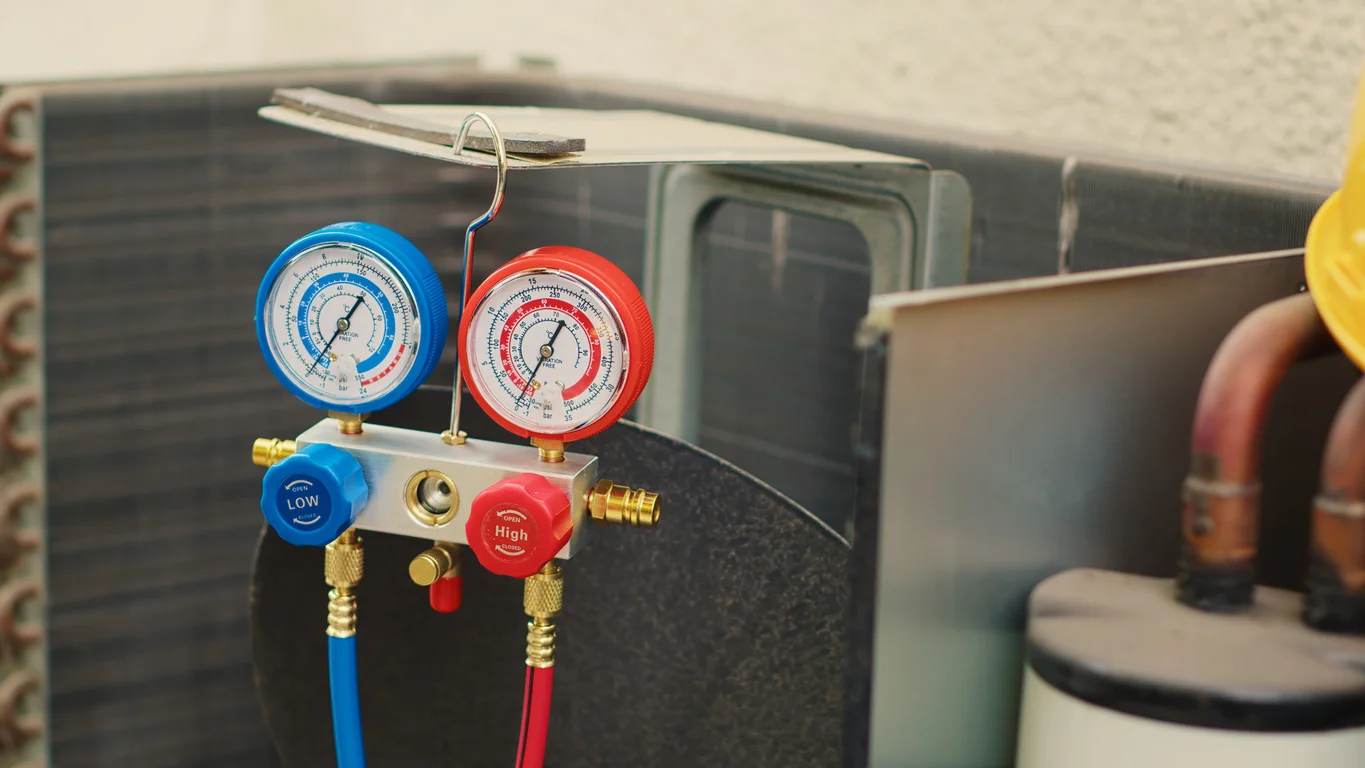
- Evaluate system pressures and temperatures to confirm proper charge and performance.
- Electrical safety checks
- Inspect electrical connections for tightness and corrosion.
- Test capacitors and contactors for proper operation.
- Verify safe operation of disconnects and breakers to reduce fire risk and unexpected failures.
- Reversing valve and defrost controls
- Test reversing valve switching to ensure smooth change between heating and cooling modes.
- Verify defrost control cycles and timing so the outdoor unit defrosts properly without excessive run time.
- Thermostat calibration and controls
- Confirm thermostat calibration and setpoints match room temperatures.
- Check wiring and program settings; suggest adjustments for optimal heat pump staging and setback schedules.
- Airflow assessment
- Measure static pressure and inspect supply and return grilles.
- Evaluate ductwork for leaks, disconnected sections, or insulation deficits that impact airflow.
- Recommend simple fixes like filter upgrades or more advanced actions like duct sealing when needed.
- Performance testing
- Run full-system tests to observe temperature split, heat output, and electrical draw.
- Confirm compressor, reversing valve, and blower performance under real load conditions.
- Documentation of improvements and suggested next steps
- Provide a written checklist of completed tasks, observed issues, and measurements taken.
- Prioritize suggested repairs or upgrades and outline expected benefits and impact on efficiency or comfort.
- Record filter size and replacement frequency, thermostat settings, and any warranty-relevant service notes.
Typical findings and common repairs
- Filter replacement or upgrade to a higher MERV for wildfire-prone seasons
- Minor refrigerant top-off when within allowable service limits and no active leak found
- Tightening or replacing electrical connectors and capacitors that show wear
- Adjustment or replacement of thermostats to restore accurate control
- Duct sealing or re-balancing recommendations when airflow is constrained
When to schedule a tune up
- Ideally schedule a tune up in early fall before regular heating demand begins. This catches issues before cold weather stresses the system.
- If your home experiences sudden performance drops, frequent cycling, ice buildup on the outdoor unit, or increased energy bills, schedule a diagnostic tune up regardless of season.
What homeowners can do between professional tune ups
- Replace or clean filters every 1 to 3 months during heavy-use or smoky periods.
- Keep outdoor unit clear of leaves, snow, and 12 to 24 inches of clearance for airflow.
- Use setback schedules and avoid rapid, frequent thermostat changes that cause short cycling.
- Inspect visible ductwork and attic penetrations for obvious gaps or disconnections.
Benefits you’ll notice after a professional tune up
- Improved efficiency — lower energy use and steadier indoor temperatures.
- Extended equipment life — addressing small issues prevents larger, costly failures.
- More reliable operation — fewer mid-winter breakdowns and emergency calls.
- Safer electrical operation — reduced risk from loose or degraded components.
- Better indoor air quality — cleaner filters and coils remove dust and ash that collect in Sisters homes.
Documentation and next steps provided after service
A complete tune up includes clear documentation of tests performed, measurements, any repairs completed, and recommendations with priority levels. Suggested next steps commonly include:
- Planned refrigerant leak investigation if the charge falls outside normal variance
- Duct sealing and insulation upgrades to improve airflow and reduce heating losses
- Thermostat replacement or rewiring for improved staging and programmable control
- Enrollment in a seasonal maintenance plan for recurring inspections during peak seasons
Signs you need immediate attention
- Outdoor unit iced over or covered in frost after several cycles
- Unusual buzzing, humming, or grinding noises from the compressor or fans
- Room temperatures that do not match thermostat settings by more than a few degrees
- Sudden spike in electric use with no change in behavior or weather
A thorough heat pump tune up in Sisters, OR aligns your system with local conditions and prevents common, climate-driven failures. Regular professional maintenance restores performance, documents system health, and gives you a prioritized roadmap for repairs and upgrades that protect comfort and energy costs throughout Central Oregon’s heating season.
Stay Warm, Efficient, and Ready for Every Season with Mountain View Heating, Inc.
Ensure your comfort all year long with expert heat pump tune up services in Sisters, OR from Mountain View Heating, Inc.. Our skilled technicians know the challenges Central Oregon homeowners face—from cold nights to wildfire dust—and provide tailored maintenance to keep your system efficient, reliable, and long-lasting. Whether you’re scheduling seasonal maintenance or noticing performance issues, we’re here to help you stay ahead of costly breakdowns. Learn more about us, contact us today to schedule your service, or explore financing options to make comfort more affordable than ever.