






Heating Maintenance in Sisters, OR
When you’re dealing with reduced efficiency, uneven warmth, extra system wear, or a heater that hasn’t been serviced in Sisters, OR, it’s time to get the problem handled correctly. Mountain View Heating is known for honest pricing, dependable service, and trusted technicians, using a targeted inspection to catch early issues, eliminate the problem, and help keep the issue from coming back through preventive maintenance. Routine care should not be delayed until something breaks, and we work quickly to keep your system ready.
Heating system types commonly serviced in Sisters, OR
- Gas furnaces: The most common primary heat source in Central Oregon homes. Regular maintenance prevents combustion problems and carbon monoxide risks.
- Electric furnaces and heat pumps: Heat pumps are popular for efficiency; they need refrigerant and defrost checks to perform well through cold snaps.
- Ductless mini-splits: Great for zoned comfort in older or addition spaces; indoor and outdoor units need seasonal cleaning and calibration.
- Boilers and hydronic systems: Require inspection of pressure, circulator pumps, and expansion tanks to avoid leaks and poor heat distribution.
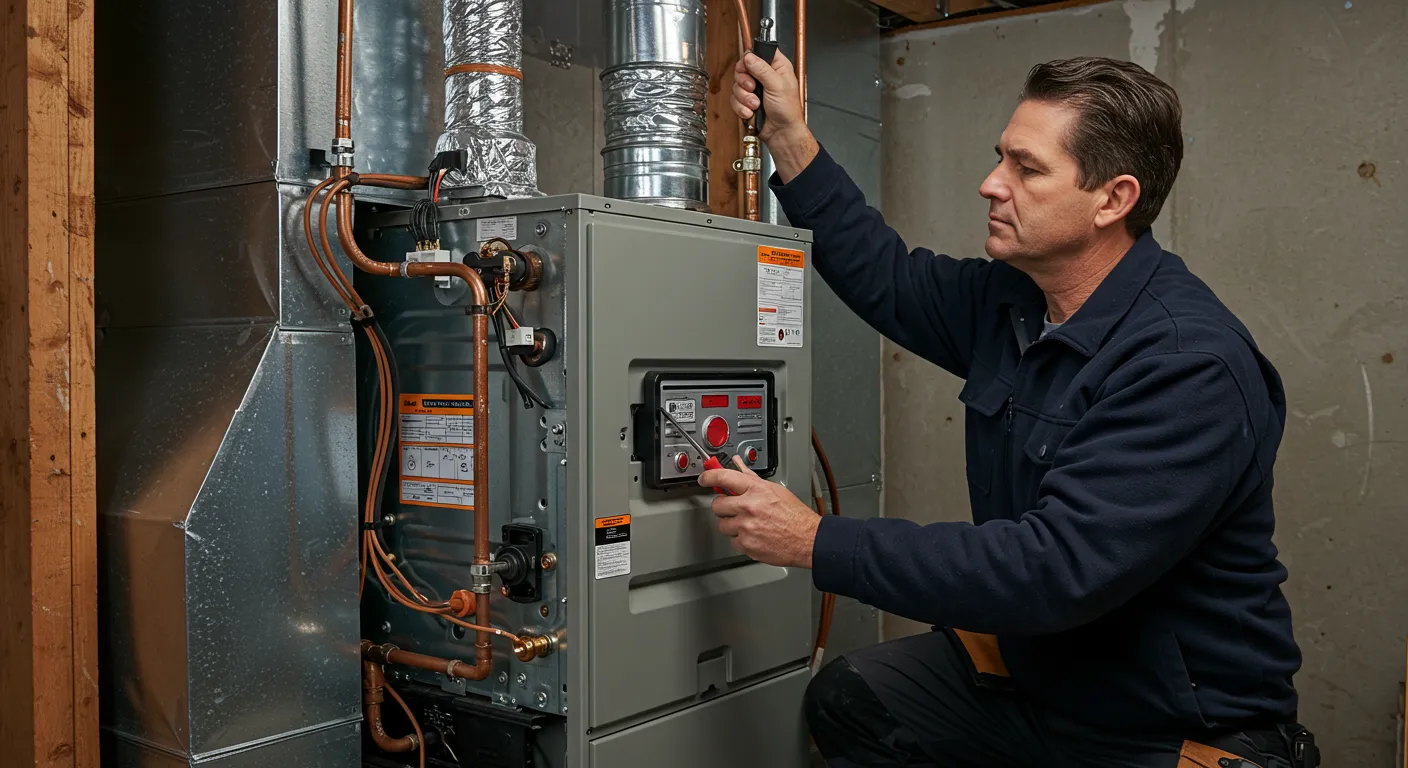
Common heating maintenance issues in Sisters, OR
- Reduced airflow from clogged filters or dirty ductwork, especially during wildfire season when homes run filtration more.
- Ignition failures, delayed furnace start, or short-cycling caused by dirty burners, failing components, or incorrect airflow.
- Frost or ice buildup on outdoor heat pump coils after heavy snow or extended low temperatures.
- Rising energy bills from worn blower motors, uncalibrated thermostats, or leaking ducts.
- Safety concerns like cracked heat exchangers, gas leaks, or elevated carbon monoxide levels when combustion systems are neglected.
- Dry indoor air in winter leading to comfort complaints and increased static; humidification systems need seasonal attention.
What a full seasonal heating inspection includes
A comprehensive maintenance visit addresses safety, reliability, and efficiency. Typical checklist items:
- Safety checks
- Inspect for gas leaks and test carbon monoxide levels.
- Visually examine heat exchanger for cracks or corrosion on gas furnaces.
- Filter and airflow inspection
- Check and replace or recommend filter type and replacement interval.
- Measure airflow and inspect return and supply registers and ducts.
- Combustion and fuel system
- Test burners and ignition system, clean components, and perform combustion efficiency testing when applicable.
- Electrical and mechanical components
- Tighten connections, test capacitors, motors, relays, and controls.
- Lubricate moving parts, inspect belts and pulleys.
- Heat pump and refrigeration checks
- Inspect outdoor coils, check refrigerant levels, test defrost cycle and reversing valve operation.
- Thermostat and controls
- Calibrate thermostat, verify setpoint responses, and inspect wiring and sensors.
- Ductwork and distribution
- Inspect for leaks, disconnected runs, and inadequate insulation; identify airflow restrictions.
- Performance and efficiency testing
- Measure temperature rise, output, and system runtime to tune for optimal efficiency.
- Report and recommendations
- Provide clear findings, prioritized repair items, and component replacement timelines.
Filter and component replacement guidance
- Filters: Replace standard filters every 1 to 3 months. High-efficiency or MERV-rated filters may need more frequent checks during wildfire or high-use months. Homes with pets or allergies should inspect monthly.
- Ignition systems and sensors: Inspect annually; replace worn sensors or igniters as performance issues appear.
- Capacitors, belts, and motors: These mechanical parts show wear; expect inspection each season and replacement when testing indicates weakening.
- Humidifier pads and UV bulbs: Replace seasonally or per manufacturer guidance to maintain IAQ and prevent bacterial growth.
Performance tuning and efficiency improvements
Seasonal maintenance does more than prevent failures. Technicians tune combustion, optimize airflow, and adjust controls to reduce energy use and improve comfort. Common efficiency measures include:
- Cleaning heat exchanger and coils for maximum heat transfer.
- Balancing airflow and sealing ducts to eliminate heat loss.
- Calibrating thermostats and recommending programmable or smart thermostats for better setpoint control.
- Upgrading to variable-speed blowers or ECM motors to reduce long-term electricity use.
- Adjusting heat pump defrost settings and refrigerant charge to ensure winter performance.
Local climate factors in Sisters — cold nights and significant seasonal temperature swings — make accurate thermostat settings and well-sealed ducts especially important for consistent comfort and lower bills.
Preventive maintenance agreements and long-term value
Service plans (sometimes called comfort plans or maintenance memberships) bundle scheduled seasonal visits, inspection records, priority service, and discounts on parts. The primary benefits:
- Fewer emergency repairs and reduced equipment downtime during peak cold snaps.
- Extended equipment life through timely component replacement.
- Improved safety with documented gas and CO checks.
- Predictable maintenance budgeting and documented service history for resale value.
For Sisters homeowners, a preventive agreement helps ensure systems are ready for winter and that post-wildfire filtration or extra humidification needs are addressed proactively.
Timing and practical tips for Sisters homes
- Schedule a heating inspection in early fall before sustained cold sets in; schedule a heat pump check after winter to catch winter-specific wear.
- Keep outdoor heat pump units clear of snow and compacted icy drift; elevate or shield units when possible.
- During wildfire season, increase filter checks and consider higher-efficiency filters or portable air cleaners to protect indoor air quality.
- Use a humidifier to relieve dry winter air, but maintain it regularly to avoid bacterial growth.
- Seal attic and crawlspace ductwork and insulate exposed ducts to prevent heat loss in long-run ducts common in colder houses.
Regular, professional heating maintenance in Sisters, OR reduces the risk of midwinter failures, improves indoor comfort during cold nights, and lowers utility costs through efficiency tuning and targeted repairs. A seasonal inspection that includes safety checks, filter and component replacement, performance tuning, and ductwork assessment is the most effective way to protect your heating system, your family, and your energy budget.
Schedule Your Heating Tune-Up with Mountain View Heating, Inc.
Keep your home safe, warm, and efficient all winter long with professional heating maintenance in Sisters, OR from Mountain View Heating, Inc.. Our certified technicians handle everything from full-system inspections to precision tune-ups, ensuring your furnace, heat pump, or boiler runs at peak performance through the coldest months.
Learn more about us and see why Central Oregon homeowners trust our locally focused service team for reliable comfort and expert care. Ready to get started? Contact us today or explore our financing options to make year-round comfort more affordable than ever.