






Heating Tune Up in Sisters, OR
When you’re dealing with reduced efficiency, longer run times, minor performance changes, or a system that hasn’t had seasonal care in Sisters, OR, it’s time to get the problem handled correctly. Mountain View Heating is known for honest pricing, dependable service, and trusted technicians, using a targeted inspection to catch wear early, eliminate the problem, and help keep the issue from coming back through detailed tune-up service. Small heating issues can grow into bigger repair calls, and we work quickly to keep your system on track.
Why a heating tune up matters in Sisters, OR
Sisters and nearby communities face cold nights, rapid temperature swings, and periods of poor outdoor air quality from wildfire smoke. Those factors accelerate wear on heating equipment, load filters faster, and increase run times during extended cold spells. A tune up:
- Reduces the risk of mid-winter breakdowns during cold snaps
- Keeps combustion appliances operating safely to prevent carbon monoxide risk
- Restores lost efficiency so your system uses less fuel or electricity
- Helps maintain comfort when nights are chilly but days warm up quickly
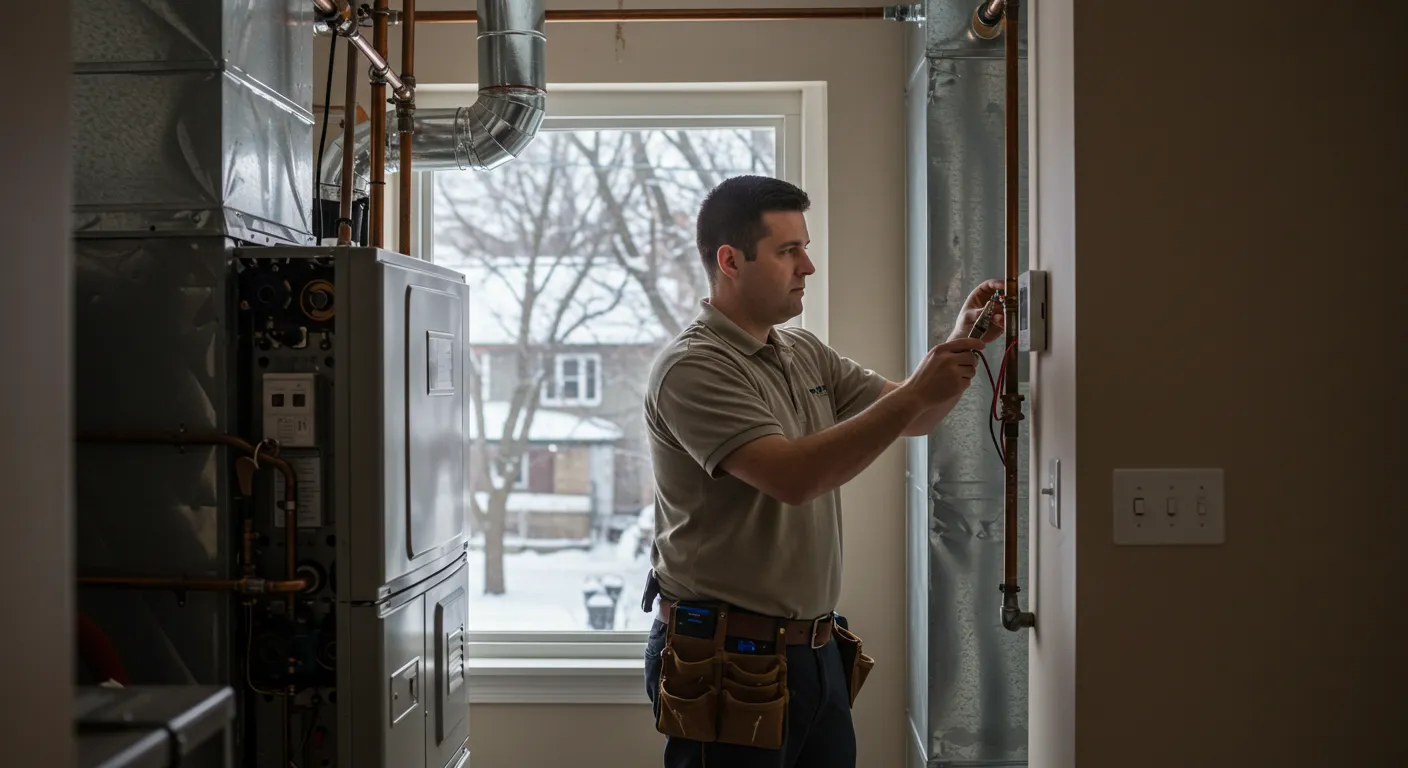
Common heating systems and common problems in Sisters-area homes
Homes in Sisters often use gas furnaces, heat pumps (including cold-climate models), boilers, and ductless mini-splits. Typical issues found during tune ups include:
- Dirty burners or clogged ignition components reducing flame quality on gas furnaces
- Low refrigerant charge or frozen coils on heat pumps affecting defrost cycles
- Boiler control drift or scaling reducing heat transfer and increasing cycling
- Restricted airflow from dirty filters, blocked vents, or leaky ducts
- Thermostat calibration errors that cause overshoot or short-cycling
- Exhaust vent obstructions or deteriorated flue seals creating safety hazards
System-specific checks performed during a heating tune up
A complete tune up adapts to the equipment type. Core system-specific checks include:
- Gas furnace
- Burner adjustment and inspection for proper flame shape and combustion
- Check ignition system, flame sensor, and pilot (if present)
- Combustion analysis or carbon monoxide screening where applicable
- Inspect and test heat exchanger for cracks or corrosion
- Heat pump (air-source or ductless)
- Verify defrost cycle operation and sensors
- Measure refrigerant pressures and temperatures to confirm charge and subcooling
- Inspect reversing valve operation and electrical components
- Clean indoor and outdoor coils to restore airflow and efficiency
- Boiler systems
- Check boiler controls, pressure settings, and expansion tank condition
- Inspect burners, combustion performance, and safety limits
- Flush low-water cutoff checks and verify proper circulator pump function
- Look for scale or corrosion that reduces efficiency
- Ductless mini-splits
- Clean indoor and outdoor coils and fan assemblies
- Check line sets for leaks and ensure drain lines are clear
- Test sensors and indoor unit performance under load
Safety and compliance inspections
Safety is a top priority in every tune up. Typical safety inspections include:
- Carbon monoxide check at appliance and living-space levels
- Flue and venting inspection for blockages, corrosion, or improper draft
- Gas line leak check and valve condition
- Verification of safety controls, limit switches, and pressure relief devices
These inspections reduce health risks and help ensure appliances operate within manufacturer and code limits.
Airflow, filters, and thermostat calibration
Many comfort complaints come from poor airflow or incorrect thermostat behavior. During a tune up:
- Air filters are inspected and filter condition is documented; dirty filters are noted as a primary cause of reduced performance
- Blower motor amperage and speed are checked; fan belts and pulleys are inspected where applicable
- Static pressure is measured to detect duct restrictions or leaks that cause uneven heating
- Thermostat calibration and settings are verified so setpoints match actual room temperatures and control logic is optimized for local occupancy patterns
The diagnostic and repair process explained
A professional heating tune up follows a clear sequence:
- Visual inspection of the system and surrounding area
- Safety checks and basic operational startup under normal conditions
- Instrumented testing: combustion analysis (gas systems), refrigerant and electrical measurements (heat pumps), and pressure/flow checks (boilers)
- Cleaning and adjustments: burners, coils, motors, and controls are cleaned and calibrated
- Minor repairs or parts adjustments performed as needed for safe operation
- Final performance test under load to confirm improvements and document results
- Written notes on findings, efficiency changes, and recommended next steps for continued reliability
Performance benefits of regular tune ups
Scheduling annual tune ups delivers quantifiable benefits:
- Improved energy efficiency: tune ups can reduce fuel or electric use by restoring original performance
- Fewer emergency repairs: identifying worn components early avoids costly mid-winter failures
- Extended equipment life: clean, well-adjusted systems run less stressed and last longer
- Safer operation: combustion checks and vent inspections significantly lower carbon monoxide and fire risks
- More consistent comfort: balanced airflow and calibrated controls maintain steady indoor temperatures
Seasonal timing and homeowner maintenance tips for Sisters, OR
- Best timing: have your heating system tuned in early fall before sustained cold sets in. For heat pumps, a late summer or early fall check ensures cooling-to-heating transition works smoothly.
- Replace or check filters every 1 to 3 months; wildfire smoke and wood-burning can clog filters faster in Central Oregon.
- Keep outdoor units clear of debris, snow, and vegetation to protect coils and maintain airflow.
- Seal and insulate accessible ducts in unconditioned spaces to reduce heat loss common in older homes.
- Consider adding a humidifier for comfort during dry winter months; proper humidity reduces perceived cold and improves efficiency.
Keep Your Comfort on Track with Mountain View Heating, Inc.
At Mountain View Heating, Inc., we take pride in helping Sisters, OR homeowners stay warm, safe, and energy-efficient all winter long. Our professional heating tune ups are designed to catch small issues before they become big repairs—saving you money and giving you peace of mind. Whether you rely on a furnace, heat pump, or boiler, our certified team ensures every system runs at its best. Ready to schedule your tune up or learn more about our financing options? Contact us today and experience comfort you can count on from start to finish.