






Heat Pump Maintenance in Sisters, OR
When you’re dealing with reduced efficiency, short cycling, weak airflow, or a heat pump that hasn’t been serviced in Sisters, OR, it’s time to get the problem handled correctly. Mountain View Heating is known for honest pricing, dependable service, and trusted technicians, using a targeted inspection to catch wear early, eliminate the problem, and help keep the issue from coming back through preventive maintenance. Delaying maintenance can invite bigger repair issues, and we work quickly to keep your heat pump running smoothly.
Why seasonal heat pump maintenance matters in Sisters, OR
Sisters sits in Central Oregon’s high desert climate: freezing nights in winter, hot afternoons in summer, large daily temperature swings, and frequent dust or wildfire smoke during dry months. Those conditions make it important to maintain both heating and cooling performance:
- Dust and smoke increase filter and coil loading, reducing airflow and efficiency.
- Repeated freeze/thaw cycles put stress on defrost systems and refrigerant circuits.
- Colder winter temperatures increase compressor workload, making early detection of issues critical to avoid breakdowns.
- Summer cooling demands and pollen/dust can clog outdoor coils and reduce heat rejection.
A proactive maintenance plan tuned to Sisters’ climate reduces those risks and helps preserve indoor comfort through seasonal extremes.
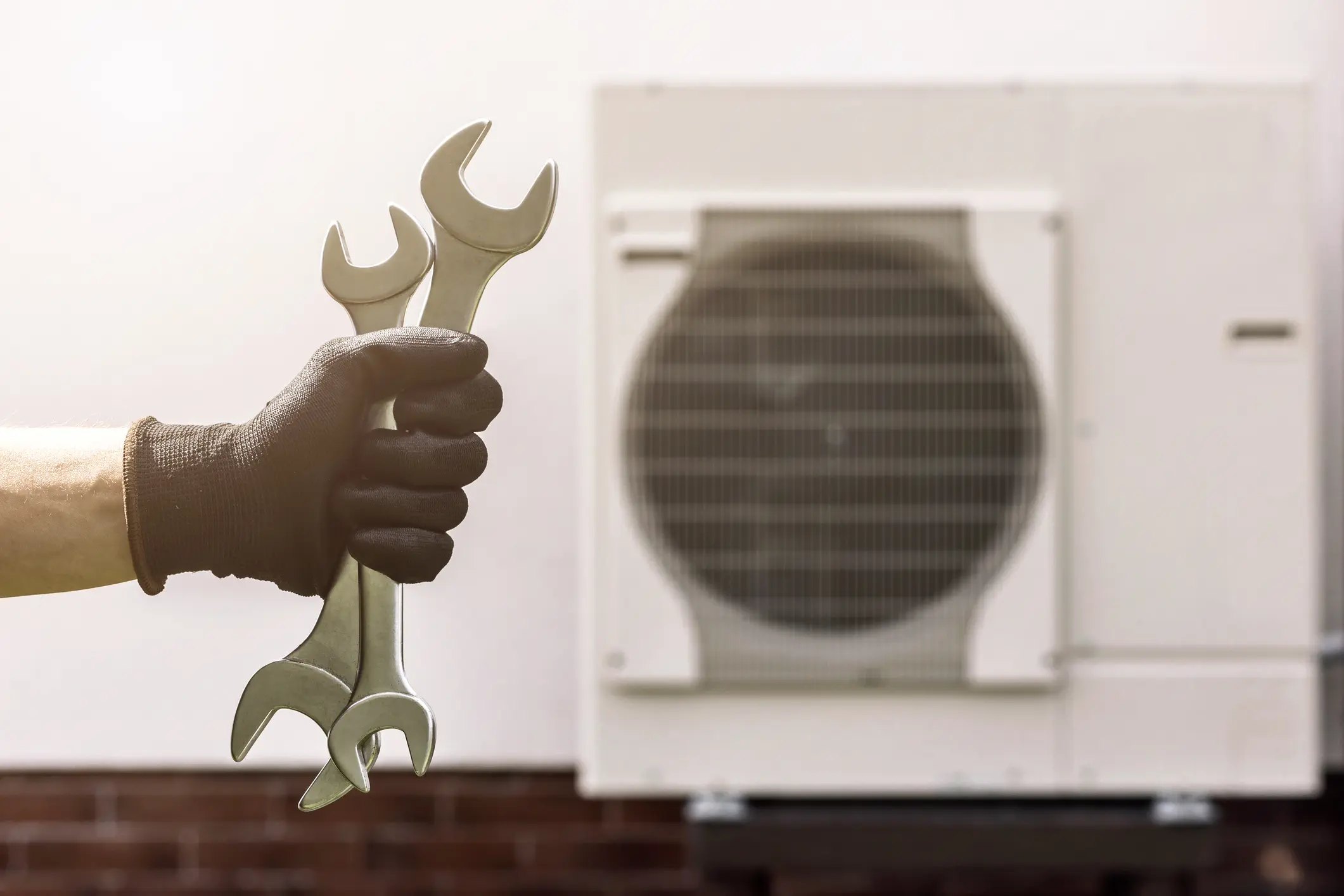
What a comprehensive heat pump maintenance plan includes
A professional maintenance visit typically includes a set of seasonal inspections and adjustments tailored to both heating and cooling operation:
- Seasonal inspections for heating and cooling modes: Verify system performance in both reverse-cycle heating and cooling settings.
- Refrigerant level check: Measure pressures and evaluate refrigerant charge to ensure proper heat transfer and efficiency.
- Defrost cycle evaluation: Confirm the defrost controls and sensors are working so outdoor units don’t ice up during cold weather.
- Reversing valve and compressor checks: Test operation of the reversing valve and listen/measure for proper compressor start-up and run characteristics.
- Filter and coil care: Inspect, clean, or recommend replacement for indoor filters; clean indoor evaporator and outdoor condenser coils to restore airflow and heat exchange.
- Electrical and safety checks: Tighten connections, test capacitors and contactors, and verify safety controls and thermostat communication.
- Fan, motor, and blower inspection: Lubricate where applicable and check for worn belts or bearings that reduce airflow.
- Drain and condensate management: Clear condensate lines and confirm proper drainage to prevent microbial growth and secondary damage.
- Performance testing and documentation: Measure airflow, temperature splits, and system operating data; provide a clear summary of findings and recommended repairs.
Common heat pump issues in Sisters and how maintenance prevents them
- Reduced heating capacity in cold spells: Often caused by low refrigerant, dirty coils, or malfunctioning defrost controls. Early detection through refrigerant and defrost checks prevents heating failures when temperatures drop.
- High electric bills: Dirty coils, clogged filters, or improper refrigerant charge make the system work harder. Coil cleaning, filter care, and refrigerant adjustments restore efficiency.
- Short cycling or noisy compressor starts: Electrical connection problems, failing capacitors, or refrigerant issues can cause frequent cycling. Electrical and compressor checks identify the root cause before a major failure.
- Outdoor unit icing or frequent defrosting: A defective defrost cycle or blocked airflow accelerates wear. Defrost cycle evaluation and coil cleaning reduce recurring ice buildup.
- Poor airflow and uneven comfort: Dirty blower wheels, restricted ductwork, or clogged filters lead to room-to-room comfort problems. Filter replacement and blower checks improve distribution.
- Performance degradation after wildfire smoke events: Smoke particles coat coils and filters, reducing heat transfer. Timely cleaning of coils and replacing filters is especially important after smoky periods.
How technicians diagnose and service heat pumps
A standard diagnostic and service flow during a maintenance visit looks like this:
- Visual and operational check: Inspect indoor and outdoor units while the system runs in both heating and cooling modes.
- Filter and airflow assessment: Measure airflow and check filter condition; recommend or perform replacement.
- Coil and cabinet cleaning: Clean evaporator and condenser coils if accessible; remove debris and vegetation around outdoor unit.
- Refrigerant and pressure testing: Use gauges to verify refrigerant charge and look for signs of leaks or improper pressures.
- Electrical inspection: Test capacitors, contactors, breakers, and wiring for signs of wear or loose connections.
- Defrost and reversing valve testing: Run defrost cycles and switch modes to confirm reversing valve operation and proper timing.
- Performance verification: Measure temperature split, amperage draw, and overall operating efficiency; document metrics for future comparisons.
Technicians follow manufacturer guidelines while also adjusting for local climate impacts, ensuring the system is optimized for Sisters’ seasonal extremes.
Simple homeowner maintenance you can do between service visits
- Replace or clean filters regularly: In Sisters’ dusty environment, inspect filters monthly during high-use months and replace every 1–3 months depending on filter type and airborne dust levels.
- Keep outdoor unit clear: Maintain at least 2 feet of clearance around the outdoor unit and remove leaves, grass clippings, and dust buildup.
- Protect from wildfire smoke: When smoke is heavy, run indoor circulation with high-quality filters and consider upgrading to higher-MERV filters compatible with your system.
- Monitor for unusual noises or performance drops: Note any reduced heating/cooling capacity, frequent cycling, or odd sounds and record when they occur (mode, temperature, time of day).
- Maintain thermostat settings and batteries: Ensure proper setpoints and fresh batteries to prevent control-related problems.
Benefits of a scheduled maintenance plan
- Consistent year-round comfort: Ensures reliable heating in winter and cooling in summer when you need it most.
- Lower operating costs: Proper refrigerant charge and clean coils reduce energy use.
- Fewer emergency repairs: Early detection and minor fixes prevent major failures.
- Longer equipment life: Regular upkeep reduces stress on components, extending usable life.
- Improved indoor air quality: Clean filters and coils reduce dust, allergens, and smoke residues circulating in your home.
Regular, seasonally timed maintenance is especially valuable in Sisters, OR, where climate and air quality factors place unique demands on heat pumps. A predictable maintenance schedule that includes the specific checks outlined above gives homeowners confidence in system performance, efficiency, and longevity throughout Central Oregon’s varying seasons.
Stay Comfortable Year-Round with Mountain View Heating, Inc.
At Mountain View Heating, Inc., we know that dependable comfort starts with consistent care. Our professional heat pump maintenance services in Sisters, OR are designed to keep your system efficient, reliable, and ready for any season Central Oregon brings. Whether you’re safeguarding your current unit or planning for future upgrades, our experts provide personalized solutions that fit your home and budget.
Ready to experience the Mountain View difference? Contact us today to schedule your next maintenance appointment or learn about our flexible financing options that make HVAC care more affordable than ever. Enjoy peace of mind knowing your comfort is in expert hands!