





Mini Split AC in Bend, OR
Mini split AC in Bend, OR from Mountain View Heating, Inc. delivers efficient, zoned comfort without ductwork. Quiet, flexible cooling. Book your install!

Mini Split AC in Bend, OR
When you’re dealing with uneven room temperatures, poor cooling, limited zone control, or a ductless system that struggles to keep up in Bend, OR, it’s time to get the problem handled correctly. Mountain View Heating is known for honest pricing, dependable service, and trusted technicians, using a targeted inspection to identify the cause, eliminate the problem, and help keep the issue from coming back. Ductless cooling problems can affect key rooms right away, and we respond quickly to restore targeted comfort.
How ductless mini-split systems work
A ductless mini-split has two main components: an outdoor condenser/compressor and one or more indoor air handlers. Refrigerant lines, a condensate drain, and a low-voltage control cable connect the two. The outdoor unit moves heat between inside and outside using a compressor, while each indoor head distributes conditioned air to a specific zone. Modern systems use inverter-driven compressors that vary output to meet the exact load, reducing start-up cycles and improving comfort and efficiency.
Why choose a mini-split in Bend
- Zoned comfort: Mini-splits let you control temperatures independently in bedrooms, home offices, additions, garages, or sunrooms that need their own climate control. This is especially useful in Bend where rooms with large windows can overheat during summer days.
- Heating capability: Many mini-splits are heat pumps able to provide efficient heating during Bend’s cool seasons, reducing reliance on fossil-fuel systems or electric resistance heat.
- No ductwork: Ideal for older homes, room additions, historic structures, or where installing ducts is impractical or costly.
- Energy efficiency: Inverter technology and precise zoning lower energy use compared with running a central system to condition the whole house.
- Improved indoor air quality: With high-quality filters and reduced duct leakage, mini-splits can lower dust, allergens, and humidity-related issues when maintained properly.
Typical applications
- Single-room solutions: Bedrooms, home offices, and nurseries that need dedicated temperature control.
- Additions and remodels: New sunrooms, shop spaces, or bonus rooms that do not tie into existing ducts.
- Whole-home multi-zone systems: Multiple indoor heads connected to one or more outdoor units to create custom comfort in each living area.
- Supplemental heating/cooling: Areas where central systems underperform or can’t keep up during extreme days in Bend.
Unit types and common brands
Indoor head styles:
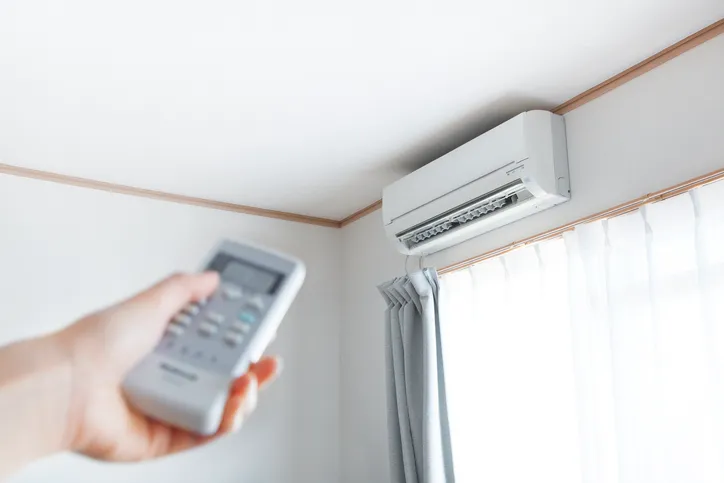
- Wall-mounted: Most common, compact, and flexible for many rooms.
- Floor-mounted: Useful for low-wall spaces or rooms with limited wall area.
- Ceiling cassette: Good for open-plan rooms or commercial-style spaces.
- Concealed/ducted mini-duct: Provides a low-profile option where appearance matters.
Outdoor equipment typically matches the number of zones and capacity needed. Leading manufacturers commonly used in residential installations include Mitsubishi Electric, Fujitsu, Daikin, and LG. Look for units with high SEER and HSPF ratings, inverter compressors, and features like built-in Wi-Fi or advanced filtration if those matter for your home.
Sizing guidance and energy considerations
Correct sizing is critical. A too-large unit will short-cycle and reduce comfort and efficiency; a too-small unit won’t meet load during extreme temperatures. General guidance:
- Typical rule of thumb: 20 to 35 BTU per square foot as a rough estimate, but variations in insulation, ceiling height, window area, and orientation can change the number significantly.
- Perform a proper load calculation (Manual J) to determine required capacity per zone.
- Consider heat gain/loss factors unique to Bend: high solar gain on south-facing windows in summer and heat loss through single-pane windows in winter.
- Choose units with high seasonal efficiency ratings and variable-speed compressors to maximize savings over the year.
What to expect during consultation
A professional consultation should include:
- Home walkthrough: Inspect rooms, window orientations, insulation, and electrical access.
- Load calculation: A room-by-room heating and cooling load analysis to size units correctly.
- Zoning plan: Recommendations for single-zone vs multi-zone configurations and suggested head placement for optimal airflow and comfort.
- Electrical review: Determine whether existing electrical service supports the outdoor unit or if an upgrade is needed.
- Permits and local code: Discuss necessary permits and compliance with Bend or Deschutes County codes if applicable.
- Project timeline: Estimated scheduling window, typical installation duration, and any prep work required.
Typical installation process
- Site preparation and minor carpentry if required.
- Indoor head placement and mounting bracket installation.
- Route refrigerant lines, condensate drain, and control wiring through a small 2-3 inch hole to the exterior.
- Install and secure outdoor condenser on a pad or bracket.
- Connect refrigerant lines and evacuate system to manufacturer specifications, then release refrigerant charge.
- Electrical connections and safety testing.
- System commissioning: test modes, airflow, and control functionality; adjust refrigerant charge if needed.
- Homeowner walkthrough: operation, filter access, and basic maintenance tips.
Expect a typical single-zone install to take most of a day; multi-zone projects will take longer depending on complexity.
Common mini-split issues and troubleshooting
- Insufficient heating or cooling: Often caused by incorrect sizing, dirty filters, obstructed airflow, or refrigerant charge problems.
- Short cycling or frequent on/off: May indicate oversized equipment, low refrigerant, or electrical issues.
- Strange noises: Rattling can be loose mounts, while gurgling may indicate refrigerant flow; indoor noise can also be fan motor wear.
- Condensate leaks: Clogged or poorly sloped drain lines can cause water issues.
- Remote or control malfunctions: Batteries, signal interference, or wiring faults with wall controllers can interrupt performance.
Regular professional maintenance helps catch these problems early and extend system life.
Maintenance and longevity
- Filter cleaning: Most washable filters require monthly cleaning during heavy use; replace disposable filters as recommended.
- Annual inspection: Professional tune-up should include electrical checks, refrigerant pressure check, drain cleaning, coil cleaning, and fan inspection.
- Keep outdoor unit clear of debris and ensure good airflow around it, especially during winter snow or summer yard work.
- With proper maintenance, many mini-splits last 12-20 years depending on usage and climate conditions.
Contact Us Today
A mini split AC in Bend, OR is one of the most flexible and efficient ways to achieve year-round comfort in Central Oregon’s demanding climate. With decades of HVAC experience, Mountain View Heating, Inc. helps homeowners design and install ductless systems tailored to their home’s layout and comfort goals — whether you need zoned control for a single room or a whole-home multi-zone setup. Our experts ensure proper sizing, clean installation, and long-term reliability for heating and cooling that adapts to Bend’s hot summers, cold winters, and smoky seasons.
Take advantage of financing options and proactive care through our Comfort Club maintenance plan to keep your system performing efficiently year after year. Experience quiet, precise comfort with a professionally installed mini split — contact us today to schedule your consultation with Mountain View Heating, Inc.