






Heating Replacement in Sisters, OR
When you’re dealing with an aging heater, rising utility bills, uneven temperatures, or repeated repair needs in Sisters, OR, it’s time to get the problem handled correctly. Mountain View Heating is known for honest pricing, dependable service, and trusted technicians, using a targeted inspection to confirm replacement needs, eliminate the problem, and help keep the issue from coming back with the right system choice. When your heating system is no longer dependable, we move quickly to replace it with reliable warmth.
Is it time to replace your heater?
Consider replacement when you see one or more of these signs in Sisters, OR homes:
- System age: Furnaces and heat pumps older than 15 years often lose efficiency and reliability.
- Rising energy bills: Higher monthly heating costs despite unchanged usage typically indicate decreased efficiency.
- Frequent repairs: Recurring breakdowns mean repair costs can exceed replacement value.
- Uneven heating or short cycling: Rooms that never get warm, or systems that turn on and off quickly, point to failing components or incorrect sizing.
- Safety concerns: Strange odors, yellow pilot flames (for gas), or carbon monoxide alarms signal immediate replacement or safety repair.
- Indoor air quality drops: Increased dust or smoke infiltration during wildfire season suggests a modern system with improved filtration is needed.
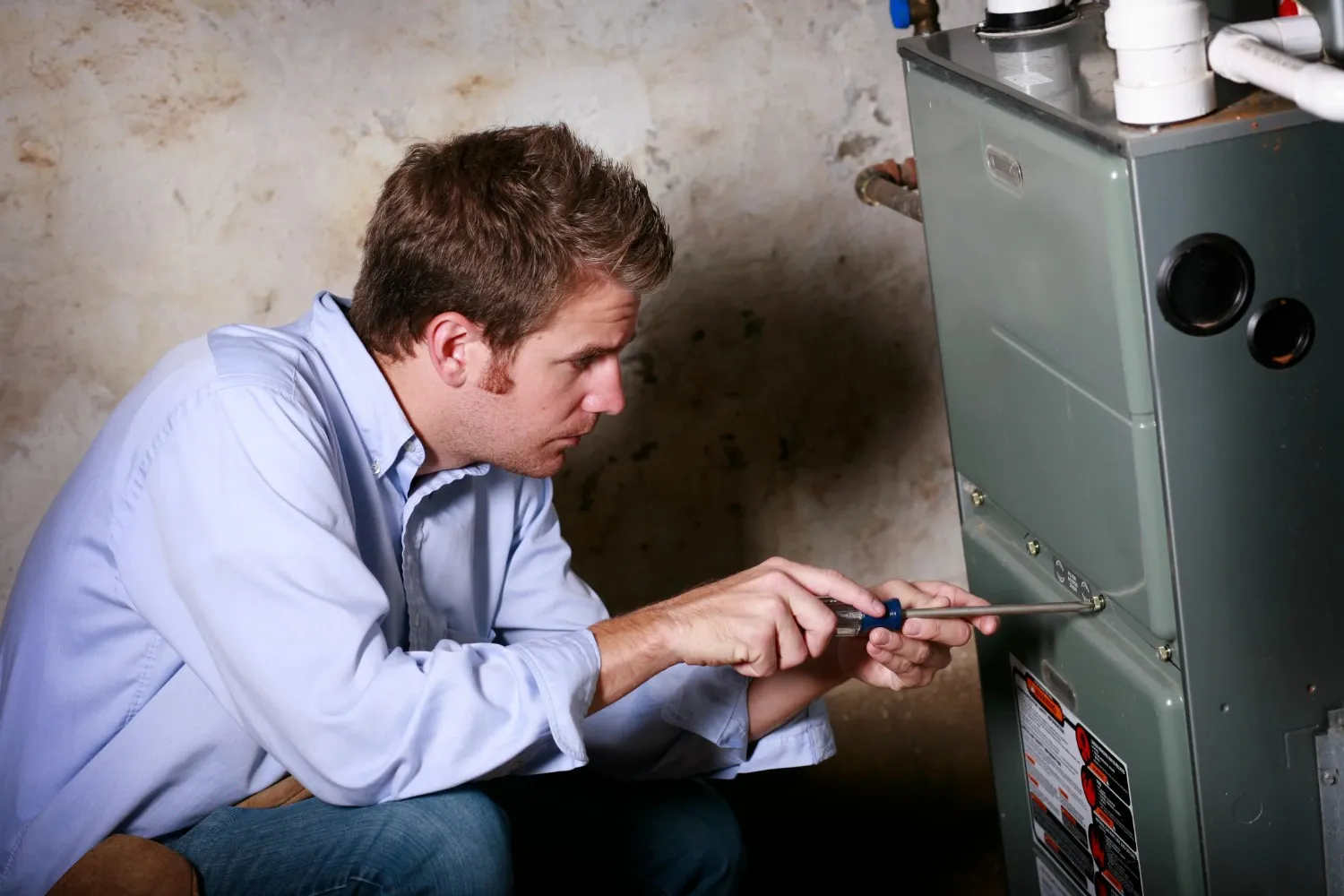
Common heating replacement options for Sisters, OR
Choose a system that matches Central Oregon’s cold nights, variable winter days, and occasional wildfire smoke issues.
- High-efficiency gas furnaces (condensing furnaces)
- Pros: Reliable in very cold weather, high AFUE (often 95%+), straightforward replacement for existing gas lines.
- Cons: Fuel cost depends on local gas rates; combustion requires safe venting and sealed combustion options improve safety.
- Cold-climate air-source heat pumps
- Pros: Modern models operate efficiently at lower temperatures, provide heating and cooling, reduce carbon footprint, and pair well with existing systems.
- Cons: Performance dips in extreme cold unless sized and selected properly; may require supplemental heat in deep cold snaps.
- Ductless mini-splits
- Pros: Ideal for additions, basements, or homes without ductwork; deliver zoned comfort and high efficiency.
- Cons: Multiple indoor units increase upfront cost for whole-home coverage.
- Dual-fuel systems
- Pros: Combine a heat pump with a gas furnace to optimize cost and comfort — heat pump runs when efficient, furnace covers extreme cold.
- Cons: More complex control systems and installation.
- Ground-source (geothermal) heat pumps
- Pros: Very efficient long-term and stable performance.
- Cons: Higher upfront cost and site-dependent installation complexity.
Cost and ROI: what to expect
- Upfront vs operating cost: High-efficiency equipment usually costs more initially but lowers monthly bills. Compare AFUE (Annual Fuel Utilization Efficiency) for furnaces and HSPF/SEER for heat pumps. Higher ratings translate into measurable fuel/electric savings over the system lifespan.
- Payback period: Typical payback ranges depend on local energy prices, current system efficiency, and incentives. In Sisters, long heating seasons and cooler nights often shorten payback for high-efficiency units compared with milder climates.
- Lifecycle and resale value: A modern, efficient heating system adds to resale appeal in Central Oregon, where buyers expect reliable winter performance and good indoor air quality.
- Estimate approach: Use current annual heating cost, projected efficiency gain, and approximate replacement cost to calculate simple payback. For example, upgrading from a 70% AFUE furnace to a 95% AFUE unit can reduce fuel use substantially, shrinking operating costs each year.
Installation considerations specific to Sisters, OR
- Proper sizing (Manual J load calculation): Mountainous elevation, home orientation, and insulation levels affect heating load. Correct sizing avoids short cycling or underperformance.
- Ductwork condition: Old or leaky ducts lower system efficiency. Inspect and seal ductwork; consider adding insulation in unconditioned spaces.
- Combustion safety and ventilation: For gas systems, ensure appropriate venting and CO detection. Sealed-combustion/ direct-vent furnaces reduce indoor air risks.
- Wildfire smoke and IAQ: Install higher-efficiency filters (MERV-rated) or add whole-house air purifiers and humidifiers to maintain healthy indoor air during smoke events. Improved sealing and fresh air controls reduce infiltration.
- Site and noise: Equipment placement should consider winter access, snow management, and neighbors (noise for outdoor units).
- Permits and codes: Local building codes and permit requirements in Sisters and Deschutes County affect installation — professional oversight ensures compliance.
- Utility interconnection: Heat pump installations may need coordination with local electric utilities for incentives or grid interconnection requirements.
Incentives, rebates, and financing options
- Federal and state incentives: Energy-efficiency tax credits and state-level programs can offset equipment cost. Specific eligibility varies by equipment type and installation date.
- Local utility rebates and programs: Regional utilities and energy efficiency programs often provide rebates for high-efficiency furnaces, heat pumps, or weatherization. Check current offerings for Central Oregon service areas.
- Manufacturer rebates: Seasonal or manufacturer promotions can further reduce cost.
- Financing and payment plans: Many financing options spread the cost over time, including low-interest or deferred payment plans tied to energy efficiency upgrades. Financing can make higher-efficiency systems accessible while capturing long-term savings.
What to expect during the replacement process
- Inspection and diagnostics: A technician evaluates current system age, ductwork, insulation, and any safety issues.
- Load calculation and equipment selection: A right-sized solution is chosen based on your home and Sisters’ climate.
- Detailed proposal: The proposal outlines equipment specifications, anticipated efficiency, installation scope, and timeline.
- Removal and installation: Old equipment is safely removed; new equipment is installed, ductwork and controls updated as needed.
- Testing and commissioning: Technicians verify performance, calibrate thermostats, and explain system operation and maintenance needs.
- Warranty and maintenance planning: New equipment typically includes manufacturer warranties; routine maintenance extends service life and preserves efficiency.
Benefits of replacing your heating system now
Replacing a worn heater in Sisters, OR improves winter comfort, reduces energy bills, enhances safety, and improves indoor air quality during wildfire season. Smart equipment choices — high-efficiency furnaces, cold-climate heat pumps, or ductless zones — deliver dependable warmth and long-term savings. Proper installation, sizing, and ventilation upgrades ensure your new system performs as intended and protects your investment.
Maintenance tip: schedule annual tune-ups, keep filters clean, and address duct leaks promptly to maintain efficiency and prolong system life.
Ready to Upgrade? Trust Mountain View Heating, Inc. for Your Replacement
When it’s time to replace your heating system, Mountain View Heating, Inc. is your trusted partner in Sisters, OR. Our experienced team provides expert evaluations, precision installations, and clear recommendations tailored to your home’s needs and local climate. From helping you learn about us to exploring financing options that fit your budget, we make the transition smooth and cost-effective. Get started today by contacting us — experience reliable warmth, better efficiency, and total peace of mind with a new heating system built to last.