






Furnace Replacement in Sisters, OR
When you’re dealing with an aging furnace, constant repair calls, uneven heat, or rising utility costs in Sisters, OR, it’s time to get the problem handled correctly. Mountain View Heating is known for honest pricing, dependable service, and trusted technicians, using a targeted inspection to confirm replacement needs, eliminate the problem, and help keep the issue from coming back with properly matched equipment. When your furnace is past its prime, we move quickly to replace it with dependable heating.
Why consider furnace replacement in Sisters, OR
- Many homes in Sisters experience long heating seasons and chilly nights, so heating performance and efficiency matter more than in milder climates.
- Older furnaces often lose efficiency over time, and frequent breakdowns during cold snaps are a safety and comfort concern.
- Upgrading can improve comfort, reduce fuel usage, and reduce the risk of costly emergency repairs in winter.
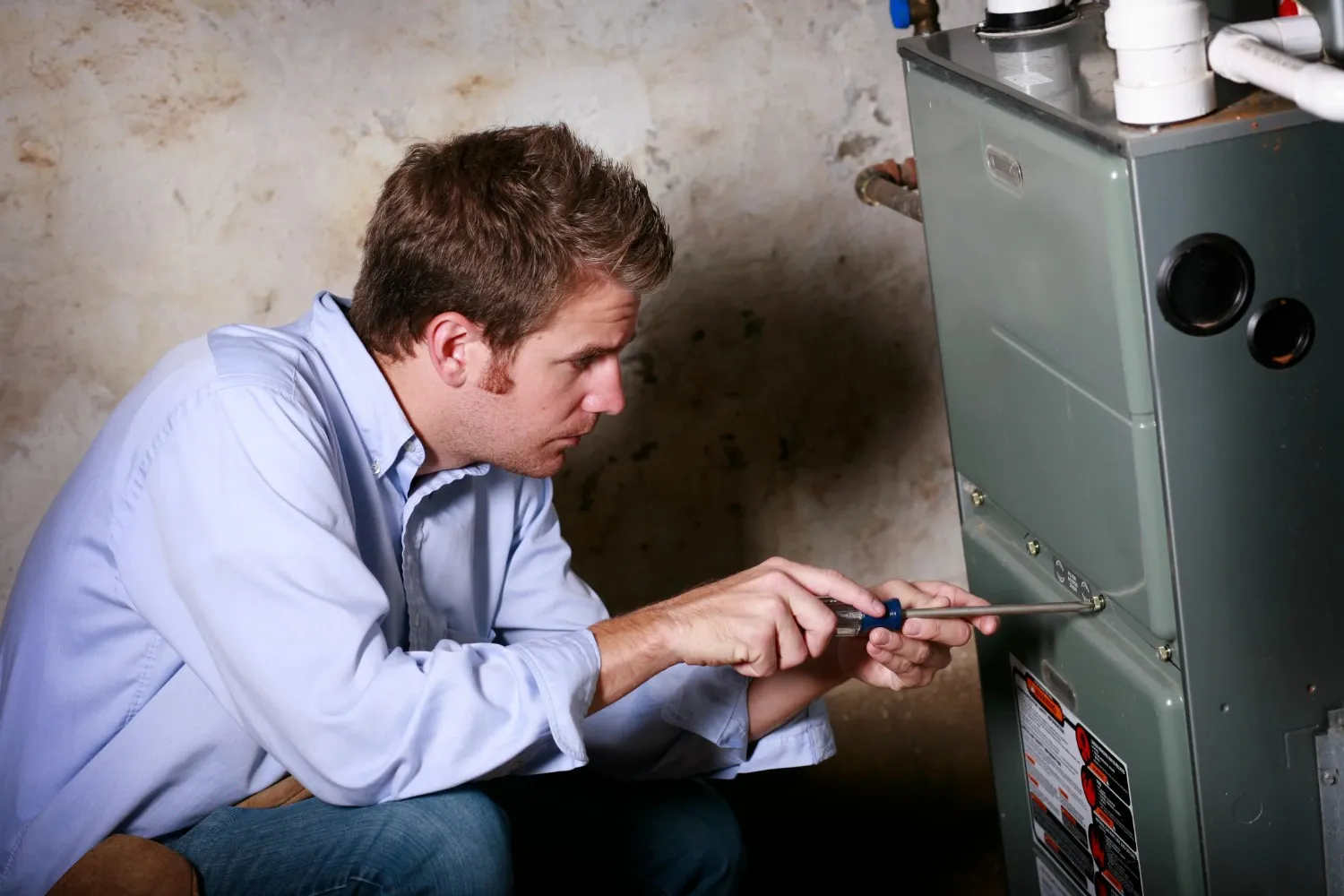
Common furnace replacement triggers and issues
Homeowners in Sisters typically consider replacement when they see any of the following:
- Age: Furnaces older than 15 to 20 years commonly approach end of service life.
- Rising heating bills despite similar usage patterns.
- Frequent repairs or repeated component failures.
- Uneven heating between rooms or cold spots in the home.
- Noisy operation, cycling on and off excessively, or slow recovery.
- Safety concerns such as a persistent yellow pilot light, soot, or suspected carbon monoxide issues.
- Incompatible fuel type or desire to switch fuels (for example, converting from propane to natural gas where available, or considering electric/heat pump alternatives).
Performance evaluation and choosing the right replacement
A proper replacement begins with a performance evaluation, not just picking the highest efficiency model. Key considerations:
- Load calculation: A manual J load calculation determines the correct capacity for your home. Oversized units short cycle and reduce efficiency and comfort; undersized units struggle on the coldest nights.
- AFUE rating: Annual Fuel Utilization Efficiency (AFUE) indicates how well a gas or propane furnace converts fuel into heat. Moving from a 70 percent AFUE to a 95 percent AFUE unit can meaningfully reduce fuel consumption and operating cost.
- Staging and modulation: Single-stage, two-stage, and modulating burners offer different comfort and efficiency profiles. Variable or modulating furnaces paired with variable-speed blowers maintain more consistent temperatures and use less energy in milder conditions common in the shoulder seasons.
- Blower technology: ECM or variable-speed blowers improve airflow, reduce noise, and increase comfort, especially in homes with challenging duct layouts.
- Fuel type and alternatives: Consider current fuel availability, prices, and the potential to move to a heat pump-based solution in some cases. In Sisters, the best choice depends on home design, fuel access, and budget.
Matching a new furnace to existing ductwork
A new high-efficiency furnace will only perform as designed if the duct system is compatible. Common ductwork considerations:
- Duct inspection: Check for leaks, missing insulation, crushed sections, and poor return air pathways. Leaky ducts in unconditioned spaces can waste a significant share of heat.
- Static pressure and airflow: New furnaces with higher efficiency or variable-speed blowers can require different airflow characteristics. Technicians will measure static pressure to confirm compatibility.
- Duct sealing and insulation: Sealing with mastic or metal-backed tape and adding insulation where needed reduces heat loss on cold nights.
- Retrofits and modifications: Sometimes minor duct alterations or enlarging return paths are necessary. In other cases a full duct redesign is recommended to optimize comfort and efficiency.
- Zoning: For homes with uneven heating, zoning dampers and multiple thermostats can improve comfort while allowing a smaller, better-matched furnace to operate efficiently.
Installation process and disposal of old units
A professional installation ensures safety and code compliance. Typical steps:
- Pre-install evaluation and load calculation.
- Permit acquisition and scheduling inspections per local code.
- Removal and responsible disposal or recycling of the old furnace and associated components.
- Installation of the new furnace, including proper venting (type depends on efficiency), gas or fuel-line connections, combustion air provisions, condensate handling for high-efficiency units, and electrical connections.
- Integration with existing thermostat and controls, or upgrade to a compatible smart thermostat if needed.
- System startup, combustion efficiency testing if applicable, airflow balancing, and a final walkthrough explaining operation and maintenance needs.
Proper disposal often includes recycling metal components and safely decommissioning fuel connections and oil/propane lines where applicable.
Expected savings and operating cost considerations
- Efficiency gains: Upgrading from an older, low-AFUE furnace to a modern 90 to 98 percent AFUE model can reduce fuel consumption substantially. Typical savings vary based on local fuel prices and usage patterns, but many homeowners see a noticeable reduction in monthly heating costs.
- Comfort and reduced maintenance: Newer systems operate more quietly, maintain steadier temperatures, and often require fewer repairs.
- Long-term value: A properly sized and installed furnace can operate efficiently for 15 to 20 years. Factor in likely fuel price trends, warranty coverage, and the cost of deferred repairs when evaluating payback.
Financing and rebate guidance for Sisters homeowners
- Local and state incentives: Oregon and local utilities sometimes offer rebates or incentives for high-efficiency furnaces or switching to heat pumps. Check available programs when budgeting.
- Manufacturer and dealer offers: Manufacturers and contractors may offer seasonal promotions or financing plans. Typical options include fixed-rate HVAC loans or promotional no-interest periods; evaluate APR and term length carefully.
- Tax credits: Occasionally federal or state tax credits apply for energy-efficient equipment. Keep documentation for any claimed credits.
- Documentation: For rebates and tax credits you will often need receipts, model numbers, and installation verification from a licensed installer.
Maintenance to protect your investment
- Schedule annual maintenance to keep efficiency and safety top-notch.
- Replace filters regularly and use the correct filter rating to protect the blower and improve indoor air quality.
- Test carbon monoxide detectors monthly and keep proper ventilation clear.
- Periodically inspect vents and combustion air paths, and reseal ducts when needed.
Choosing to replace a furnace in Sisters, OR should be based on a combination of performance evaluation, correct sizing, ductwork compatibility, and a clear understanding of operating costs and incentives. A well-matched, properly installed high-efficiency furnace improves winter comfort, reduces fuel consumption in Central Oregon conditions, and lowers the risk of midwinter failures.
Your Comfort Starts Here — Partner with Mountain View Heating, Inc.
When it’s time for a furnace replacement in Sisters, OR, trust Mountain View Heating, Inc. to deliver expert installation, precision craftsmanship, and dependable year-round comfort. Our team ensures every system is properly sized, expertly installed, and optimized for maximum efficiency. Whether you’re looking to learn more about us, explore financing options that make upgrading affordable, or simply contact us for a free estimate, we’re here to make your comfort our top priority. Experience trusted service and long-term savings with Central Oregon’s heating professionals today!