






Air Purification Sisters, OR
When you’re dealing with dusty air, lingering odors, allergy symptoms, or indoor air that never feels fresh in Sisters, OR, it’s time to get the problem handled correctly. Mountain View Heating is known for honest pricing, dependable service, and trusted technicians, using a targeted inspection to identify air quality concerns, eliminate the problem, and help keep the issue from coming back with the right purification approach. Air quality problems can affect daily comfort in a quiet but constant way, and we move quickly to improve the air you breathe.
Why consider air purification in Sisters, OR
Sisters and the surrounding Cascades foothills experience specific IAQ stressors:
- Wildfire smoke episodes that raise fine particulate (PM2.5) levels for days to weeks.
- High seasonal pollen loads from sagebrush, juniper, and grasses causing allergies.
- Wood or pellet stoves that increase indoor particulate and soot if venting is imperfect.
- Low humidity that contributes to dust and static, increasing particulate suspension.
These factors make both whole-home air purification in Sisters, OR and targeted point-of-use solutions valuable for reducing triggers for allergy and asthma sufferers and improving overall indoor comfort.
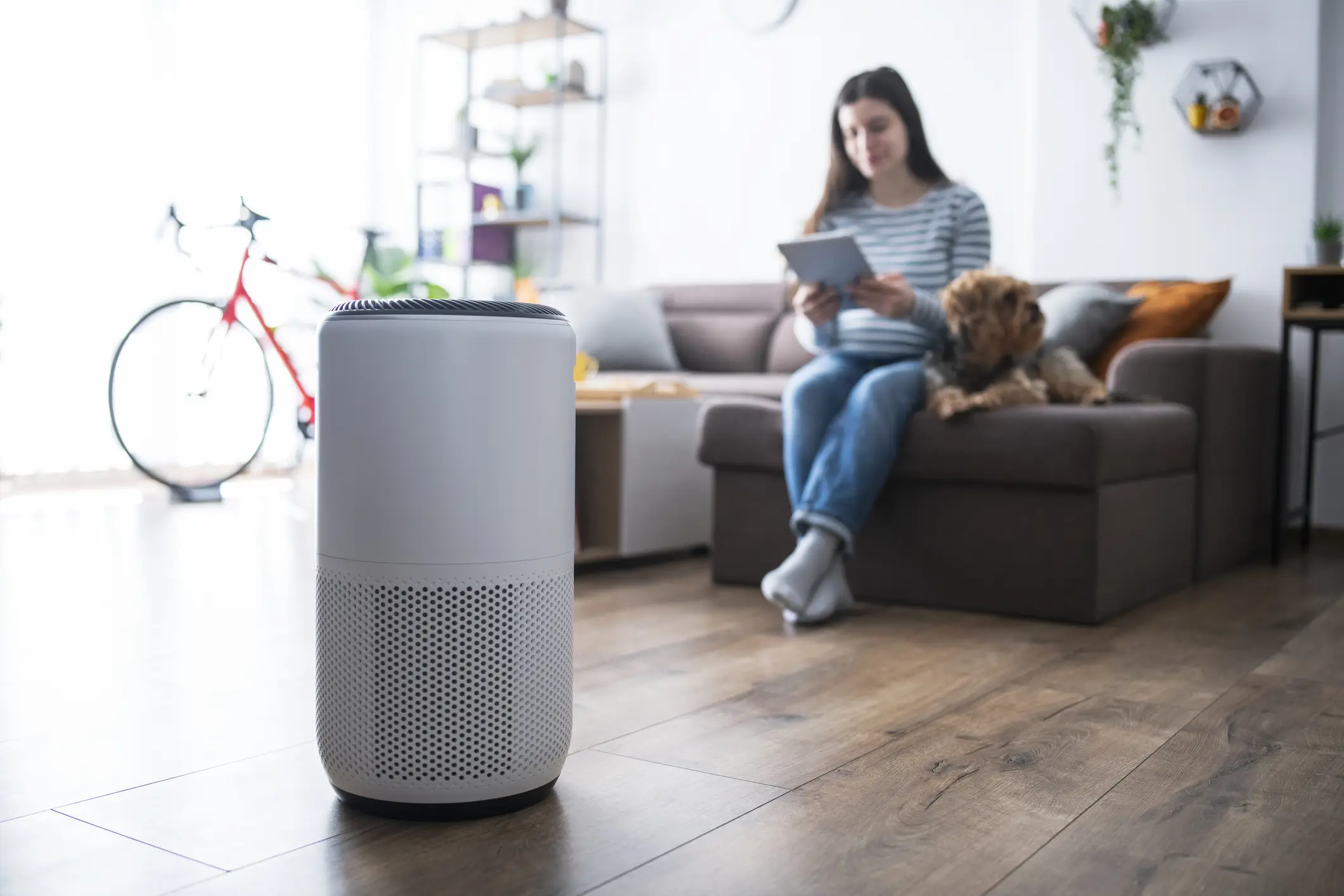
Whole-home vs point-of-use systems
- Whole-home systems
- Installed in the HVAC return or air handler to treat all conditioned air.
- Provide continuous filtration throughout living spaces when the system runs.
- Best for households wanting consistent, centralized control and performance.
- Point-of-use units
- Standalone purifiers designed for single rooms such as bedrooms or living rooms.
- Useful for supplemental protection during smoke events or in rooms with higher pollutant loads.
- Portable and flexible but limited by room size and circulation patterns.
Choosing between these depends on house layout, HVAC compatibility, budget, and whether you need constant whole-house protection or targeted air cleaning.
Comparing purification technologies
Understanding how each technology works helps match system strengths to your needs.
- HEPA filtration
- High Efficiency Particulate Air filters capture 99.97 percent of particles down to 0.3 microns.
- Excellent for pollen, dust, pet dander, and smoke particles.
- Passive filtration that does not produce byproducts.
- In whole-home applications, high-MERV or true HEPA options can be integrated with the HVAC system where space allows.
- Ultraviolet (UV) germicidal irradiation
- Uses UV-C light to inactivate bacteria, viruses, and mold on HVAC coils or in air streams.
- Not a particulate filter; best when combined with filtration to remove spores and then reduce viable microbes.
- Effectiveness depends on exposure time and lamp placement.
- Electronic air cleaners and ionization
- Include electrostatic precipitators and ionizers that charge particles to collect them on plates or surfaces.
- Can be effective on fine particulates, including smoke.
- Some systems produce small amounts of ozone as a byproduct; choose certified low-ozone designs when asthma or ozone sensitivity is a concern.
- Bipolar ionization (needlepoint ionization)
- Generates ions that cause particles to cluster and be more easily captured by filters.
- Can reduce some VOCs and microbes under specific conditions, but performance varies by design and installation.
For most allergy and asthma households in Sisters, a primary focus on high-efficiency filtration (HEPA or high-MERV filters) combined with UV for microbial control or a low-ozone electronic module for smoke reduction provides balanced performance.
Benefits for allergy and asthma sufferers
- Significant reduction in airborne allergens such as pollen, dust mite debris, and pet dander.
- Lower fine particulate levels during and after wildfire smoke events, reducing respiratory irritation.
- Reduced exposure to indoor mold spores and bacteria when UV is combined with filtration.
- Improved sleep and fewer nighttime asthma or allergy flare-ups when bedroom air is cleaned with point-of-use HEPA units.
- Greater overall comfort and fewer symptom days with consistent whole-home treatment.
Installation: what to expect
- Whole-home installations begin with an assessment of your existing HVAC system, duct layout, and return air capacity.
- Technicians determine compatible options: in-duct HEPA adapters, high-MERV media boxes, UV lamps near the coil, or integrated electronic cleaners.
- Installation typically involves mounting the filter housing or device in the return plenum or air handler, wiring for any powered components, and verifying airflow and pressure.
- For point-of-use units, placement guidance is provided to ensure proper room coverage and circulation.
- Installation also includes educating occupants on operation modes and maintenance intervals.
Maintenance and lifecycle considerations
- Filter replacement schedules depend on filter type and local conditions. In Sisters, expect more frequent replacement during wildfire season or heavy pollen months.
- HEPA and high-MERV media: inspect at least every 3 months, more often when smoke or pollen is high.
- UV lamps: replace per manufacturer guidance, commonly every 9 to 12 months for consistent UV output.
- Electronic collectors: clean collection plates monthly to quarterly depending on pollutant load.
- Verify HVAC fan runtime is sufficient for whole-home systems to circulate through filters; increased runtime may be recommended during smoke events.
- Keep humidification balanced; extremely low humidity increases dust mobility while excessive humidity can promote mold growth.
Testing and verification of improved indoor air quality
Baseline testing establishes current conditions using:
- Particle counters for PM2.5 and PM10 to quantify particulate reduction after installation.
- VOC meters for common odors and chemical pollutants.
- Pollen and allergen tests for households with persistent symptoms.
- Post-installation testing repeated under typical operating conditions shows measurable reductions in particle counts and sometimes VOCs.
- Continuous indoor air monitors provide ongoing verification and can alert occupants to smoke or elevated particulates so systems can be adjusted.
- For asthma and allergy households, symptom logs combined with objective particle count improvements present a clear picture of benefit.
Local considerations for Sisters, OR homes
- During wildfire season, run whole-home systems with high-efficiency filters and increase HVAC fan runtime to maintain cleaner indoor air.
- Bedrooms benefit from dedicated point-of-use HEPA purifiers for night protection when HVAC systems cycle down.
- Homes relying on wood stoves should confirm proper venting and consider filtration upgrades to capture combustion particulates.
- Seasonal maintenance schedules should align with local pollen timing and smoke risk periods to maximize protection.
Contact Us Today
Choosing the right mix of whole-home and point-of-use air purification in Sisters, OR requires matching technology to the specific pollutants you face. Prioritize high-efficiency filtration for particulates, consider UV where microbial control is needed, and select low-ozone electronic options when appropriate. Regular maintenance, seasonally adjusted filter changes, and objective IAQ testing from Mountain View Heating, Inc. will ensure your system delivers meaningful reductions in allergens, smoke particles, and other irritants—improving comfort and reducing asthma and allergy triggers in Central Oregon homes. Contact us today.