





Mini-Split AC in Redmond, OR
Experience energy-efficient comfort with mini-split AC systems expertly installed by Mountain View Heating, Inc. in Redmond, OR. Call now to learn more!

Mini Split AC in Redmond, OR
When you’re dealing with uneven room temperatures, poor cooling, limited zone control, or a ductless system that struggles to keep up in Redmond, OR, it’s time to get the problem handled correctly. Mountain View Heating is known for honest pricing, dependable service, and trusted technicians, using a targeted inspection to identify the cause, eliminate the problem, and help keep the issue from coming back. Ductless cooling problems can affect key rooms right away, and we respond quickly to restore targeted comfort.
What a ductless mini-split is and how it works
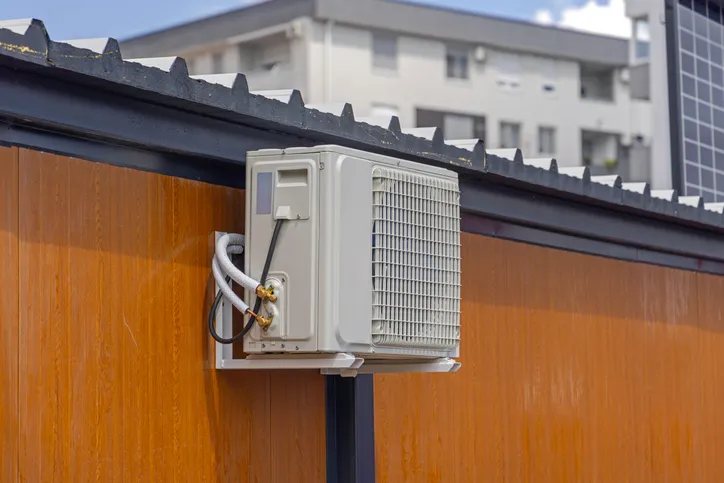
A ductless mini-split consists of two main components: an outdoor condenser/compressor and one or more indoor air handlers (also called heads). Refrigerant lines and a power cable connect the outdoor unit to the indoor heads. Modern mini-splits use inverter-driven compressors that vary speed to match the load, offering smoother temperature control and higher efficiency than single-speed systems. Most units are heat pumps, so they operate in cooling mode in summer and reverse to provide heating in winter.
Benefits for Redmond homes
- Zoned comfort: Control temperatures independently in bedrooms, living areas, or additions to avoid overheating or overcooling parts of the house.
- No ductwork required: Ideal for older homes, historic properties, garages, sunrooms, or room additions where installing ducts is impractical or costly.
- Energy efficiency: Variable-speed compressors and precise zoning reduce wasted energy. Modern models offer high SEER and HSPF ratings, translating to lower utility costs.
- Year-round performance: Cold-climate mini-splits can efficiently heat during Central Oregon winters while providing strong dehumidification in summer.
- Improved indoor air quality: Multi-stage filtration on many units reduces dust, pollen, and particles—helpful in Redmond’s dry, dusty months.
- Quiet operation and aesthetics: Indoor heads are compact and operate at low sound levels, with wall-mounted, ceiling cassette, and floor-mounted options to match room design.
Best applications in Redmond
- Additions and sunrooms that need independent comfort control.
- Homes without existing ductwork or with poorly designed duct systems.
- Finished basements or converted garages where ducts are not feasible.
- Older and historic homes where preserving structure is a priority.
- Room-by-room replacement for inefficient window AC units or electric baseboards.
- Multi-family units or upstairs bedrooms that need better temperature balance.
Available models and key features
- Single-zone vs multi-zone systems: Single-zone serves one area; multi-zone systems connect several indoor heads to one outdoor unit for whole-house flexibility.
- Indoor head types: Wall-mounted (most common), ceiling cassette (discreet, even airflow), floor-mounted (good for low walls), and ducted indoor units (hidden, for limited runs).
- Inverter and variable-speed compressors: Provide steady comfort, reduce cycling, and improve part-load efficiency.
- Cold-climate operation: Models rated for low ambient temperatures maintain heating capacity and include features to manage defrost cycles.
- Advanced controls: Wi-Fi integration, programmable schedules, and app control for smart zoning.
- Filtration and IAQ features: Multi-stage filters, electrostatic options, and some units offer VOC or allergen-reduction filters.
- Quiet and low-vibration designs: Important for bedrooms and living areas where sound matters.
Installation overview for Redmond, OR homes
- Home assessment and load calculation: A proper Manual J load calculation determines correct sizing. In Redmond, factors include sun exposure, insulation, window orientation, and elevation.
- Equipment selection: Choose single or multi-zone equipment and indoor head styles that fit room layout and aesthetic preferences. Consider cold-climate-rated models if heating is a primary need.
- Site planning: Identify outdoor unit location with good airflow, minimal snow buildup risk, and short line set runs to reduce refrigerant loss. Plan indoor head placement for optimal airflow and comfort.
- Professional installation: Installers mount indoor heads, run refrigerant lines and condensate drain, connect electrical, vacuum and charge the refrigerant circuit, and set up controls. Proper brazing and leak testing are essential.
- Commissioning and user orientation: Technicians verify performance, calibrate controls, explain basic maintenance, and demonstrate system operation. Permits and inspections may be required depending on local codes.
Typical residential installations are completed in a day or two depending on the number of indoor heads and complexity. Proper sizing and professional refrigerant handling are critical for long-term reliability and efficiency.
Maintenance and common issues in Redmond
Routine care keeps a mini-split running efficiently and prevents most problems:
- Filter cleaning: Clean washable filters every 2 to 4 weeks during heavy use to maintain airflow and IAQ.
- Annual professional tune-up: Check refrigerant charge, electrical connections, condensate drains, and system controls.
- Outdoor unit clearance: Keep at least 2 feet of clearance from debris, vegetation, and snow. In winter, clear snow buildup promptly.
- Drain line maintenance: Ensure condensate drain remains clear to prevent water damage.
- Watch for common problems: In Redmond’s dry climate, dust and pollen can clog filters more quickly. In winter, inadequate defrost cycles or improper installation can cause icing on outdoor units. Undersized systems may short cycle; oversized units can cause humidity control issues in summer.
Energy efficiency and cost considerations
Mini-splits offer strong energy savings when properly sized and used for zoning. Look for units with high SEER2 and HSPF2 ratings and inverter technology to maximize efficiency. Because mini-splits provide targeted heating and cooling, you avoid conditioning unused rooms, which reduces overall energy consumption. Cold-climate models maintain heating performance at low outdoor temperatures, making them a more efficient alternative to electric resistance heat in Redmond homes.
Selecting the right system depends on load calculations, room use patterns, and long-term efficiency goals. Consider features like variable-speed compressors and advanced controls to optimize comfort and running costs.
Mini-split systems are a proven, flexible choice for homeowners in Redmond, OR who need efficient zoned cooling and heating without ducts. When specified and installed properly, they deliver comfort, improved indoor air quality, and energy savings tailored to the local climate and the unique layout of Central Oregon homes.
Zoned Comfort, Controlled Your Way
Our mini-split AC in Redmond, OR is ideal for homes that need flexible, efficient temperature control without ductwork. At Mountain View Heating, Inc., we design ductless solutions for maximum comfort in every room—whether it’s a remodel, garage, or new addition. Stay comfortable on your terms, with precision cooling that fits your lifestyle.