






Heat Pump Replacement in Redmond, OR
When you’re dealing with an aging heat pump, higher energy bills, uneven temperatures, or repeated repair calls in Redmond, OR, it’s time to get the problem handled correctly. Mountain View Heating is known for honest pricing, dependable service, and trusted technicians, using a targeted inspection to confirm replacement needs, eliminate the problem, and help keep the issue from coming back with the right equipment choice. When your heat pump stops being dependable, we move quickly to replace it with efficient year-round comfort.
When to Replace vs Repair: practical criteria for Redmond homeowners
Choosing replacement over repair should be a practical, cost-focused decision. Consider replacing your heat pump when you encounter several of these common signs:
- System age: heat pumps older than 10 to 15 years typically lose efficiency and reliability.
- Frequent breakdowns: repeated service calls indicate declining components and rising repair costs.
- Rising utility bills: noticeable increases in winter heating or summer cooling costs despite routine maintenance.
- Comfort issues: uneven temperatures, poor humidity control, or weak airflow throughout your home.
- Refrigerant leaks or compressor failure: major components that are costly to repair and reduce lifespan.
- Outdated efficiency: older models have much lower SEER/HSPF ratings than modern units.
If the problem is an isolated, inexpensive repair (for example: thermostat, fan motor, or capacitor) and the system is relatively new and efficient, repair may be the better option. If you have multiple symptoms above or face a compressor or refrigerant issue on an older unit, replacement is often the smarter long-term investment.
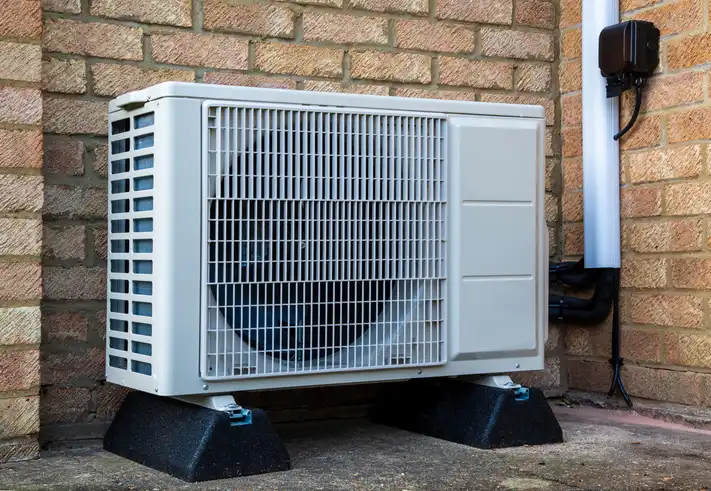
Modern high-efficiency options for Redmond homes
Today’s heat pump technology offers significant advances that are well suited to the Redmond climate:
- Cold-climate heat pumps: engineered to maintain higher efficiency at lower outdoor temperatures, improving winter performance for Central Oregon.
- Variable-speed inverter-driven compressors: adjust output continuously for steadier temperatures, better humidity control, and quieter operation.
- Two-stage or multi-stage systems: balance efficiency and capacity during temperature swings common in Redmond.
- Ductless mini-splits: ideal for additions, remodeled spaces, or homes without ductwork; provide zoned control and high efficiency.
- Hybrid systems: combine a heat pump with a gas furnace for backup heat in the coldest days while maximizing efficiency the rest of the season.
When evaluating models, look at SEER (cooling efficiency), HSPF or COP (heating efficiency), and whether the unit is rated for cold-climate performance. Proper sizing and air distribution are equally important to realize the efficiencies manufacturers advertise.
Cost-benefit and energy savings analysis
Replacement decisions should be framed as an investment in comfort, reliability, and ongoing energy savings:
- Energy savings: modern heat pumps typically use 30 to 50 percent less energy for heating and cooling than older systems. Savings will vary based on current system age, local electricity rates, and how often the system runs.
- Payback factors: consider remaining life of current system, frequency and cost of repairs, local energy costs, and available incentives. In many Redmond homes, reduced winter electricity use and fewer service calls yield a clear long-term savings advantage.
- Comfort and resale value: upgraded HVAC systems can increase home comfort consistency and appeal to buyers who value efficient, all-season climate control.
- Operational cost drivers: system sizing, duct condition, insulation, and thermostat controls all influence actual savings.
A simple way to view the decision: if projected annual energy and repair savings cover the difference in operating and upfront costs within a reasonable timeframe for you, replacement is the economically sound choice.
The heat pump replacement process in Redmond, OR
A reliable replacement follows a clear, professional sequence to protect system performance and your home:
Assessment and load calculation
- Perform a Manual J load calculation to size the system correctly for your Redmond home, accounting for insulation, windows, orientation, and occupancy.
Equipment selection
- Choose a model rated for local climate, the proper capacity, and efficiency features that match your comfort goals.
Removal and disposal
- Safely recover refrigerant and remove the old outdoor and indoor equipment. Dispose of materials per regulations.
Ductwork and indoor modifications
- Inspect and seal ducts, upgrade air handler components if needed, and ensure proper airflow and static pressure.
Installation of new unit
- Set the outdoor unit on a stable pad, mount indoor components, reconnect refrigerant lines and electrical, and insulate piping.
Charging and startup
- Evacuate the lines, charge the refrigerant to manufacturer specifications, and run system commissioning tests.
System tuning and homeowner orientation
- Verify airflow, thermostat settings, and zoning. Explain basic maintenance and controls so the system operates at peak efficiency.
Professional installation and commissioning are essential. Incorrect refrigerant charge, airflow, or duct design will reduce efficiency and may void warranties.
Warranty, incentives, and maintenance considerations
Warranty and incentives can significantly influence the total cost of replacement:
- Manufacturer warranties: most modern heat pumps include a limited parts warranty and longer coverage on compressors. Some brands offer conditional extended warranties if installed by certified contractors and registered promptly.
- Labor warranties: installation labor and workmanship warranties vary by contractor; verify what is included.
- Incentives and rebates: federal tax credits and state or utility-sponsored rebates often apply to high-efficiency heat pumps and cold-climate models. Local energy programs may also offer incentives for whole-home efficiency upgrades or duct sealing.
- Ongoing maintenance: annual tune-ups, filter changes, and periodic coil and drain checks preserve efficiency and protect warranty eligibility.
Document all warranty registrations and maintain service records to support claims and ensure long-term performance.
Why timely replacement matters for Redmond homeowners
Replacing an aging or failing heat pump restores predictable comfort through Redmond’s seasonal extremes, lowers energy consumption, and reduces unexpected repair costs. Modern systems tailored to the high desert climate deliver better low-temperature heating performance, quieter operation, and improved indoor comfort year-round. With the right equipment, accurate sizing, and professional installation, heat pump replacement becomes an investment in reliable, efficient home comfort for years to come.
When It’s Time to Replace, Trust the Experts Who Know Redmond Best
Outdated or inefficient system dragging you down? We provide smart, strategic heat pump replacement in Redmond, OR that enhances your home’s comfort while improving energy use. Mountain View Heating, Inc. delivers system replacements tailored to your lifestyle and property—so you stay in control of your comfort all year.