






Heat Pump Repair in Redmond, OR
When you’re dealing with poor heating or cooling, odd noises, frozen components, or a heat pump that won’t switch modes in Redmond, OR, it’s time to get the problem handled correctly. Mountain View Heating is known for honest pricing, dependable service, and trusted technicians, using a targeted inspection to identify the cause, eliminate the problem, and help keep the issue from coming back. Heat pump problems affect comfort in every season, and we respond quickly to get the system back on track.
Why timely heat pump repair matters in Redmond, OR
In Central Oregon, brief but intense cold snaps and persistent wind-blown dust increase wear on outdoor units and filters. A small problem can escalate quickly into a compressor failure or a refrigerant leak. Prompt repair restores comfort, reduces energy waste, and extends the life of the system. For homeowners considering repair versus replacement, accurate diagnostics reveal whether a component repair will return reliable service or if replacement is the better long-term choice.
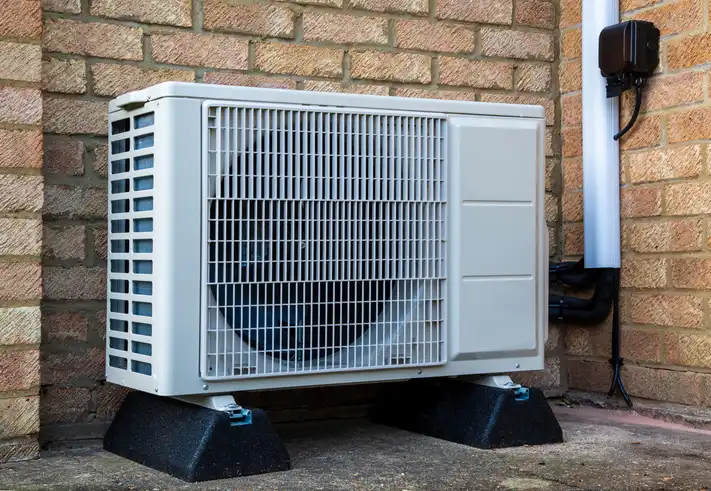
Common heat pump issues in Redmond, OR homes
- Loss of heat or poor heating performance, especially overnight when temperatures drop
- Outdoor unit icing or frost accumulation that does not clear during defrost cycles
- Noisy operation: loud fans, banging, grinding, or high-pitched electrical sounds
- Short cycling (system turns on and off frequently) leading to poor comfort and higher utility costs
- Weak airflow from vents due to blower or duct problems
- Refrigerant leaks and low refrigerant pressures that reduce capacity and can harm the compressor
- Electrical failures: tripped breakers, failed capacitors, contactors, or control board faults
- Thermostat communication or sensor problems causing inaccurate cycling
How diagnostics are performed
Effective repair starts with a structured diagnostic process that isolates root causes rather than treating symptoms.
- Initial inspection: visual check of outdoor and indoor units for obvious issues such as ice build-up, blocked coils, damaged fins, rodent damage, and dirty air filters.
- Thermostat and control check: verify settings, mode, and temperature calibration; check wiring and sensor readings.
- Electrical testing: measure voltage at the compressor, fan motor, contactor, and capacitors to identify failing electrical components.
- Refrigerant and pressure check: use gauges to measure system pressures and superheat/subcooling to detect leaks or improper charge.
- Airflow measurement: assess blower motor operation, return and supply register pressures, and ductwork integrity.
- Defrost cycle evaluation: monitor the defrost control and reversing valve operation to ensure the system can properly switch modes and clear ice.
- Component-specific tests: motor amp draw, compressor resistance, and control board diagnostics to pinpoint failing parts.
Diagnostics in Redmond often include an inspection for dust and small debris in outdoor coils and a check for seasonal strain from frequent heating/cooling cycles.
Typical repair procedures and what they involve
Once the problem is diagnosed, repair work follows standardized procedures to restore safe, efficient operation.
- Cleaning and airflow restoration: thorough cleaning of outdoor coils, indoor evaporator coils, and replacement of clogged filters. Often resolves overheating and icing caused by restricted airflow.
- Refrigerant leak repair and recharge: locate and repair leaks (soldering, replacing line sets, or installing leak-stop fittings), then evacuate and recharge to proper factory-specified levels. Proper leak repair protects the compressor and ensures capacity.
- Electrical component replacement: replace failed capacitors, contactors, relays, and control boards. These parts commonly fail first in systems subjected to voltage fluctuations or heavy cycling.
- Fan and motor service or replacement: repair bearings, replace blower or outdoor fan motors, balance blades, and ensure proper fan speeds to restore airflow and reduce noise.
- Defrost system repair: repair or replace defrost sensors, timers, or the reversing valve so the unit clears frost reliably during cold spells in Redmond.
- Compressor repair or replacement: in cases of burned or seized compressors, replacement is often required; this procedure includes proper evacuation, oil management, and charging. In older units, compressor replacement may trigger a discussion about full system replacement.
- Ductwork repairs: sealing leaks, adjusting dampers, or replacing damaged sections to improve airflow and system efficiency.
Common parts replaced during heat pump repair
- Compressor
- Reversing valve and defrost controls
- Capacitors and contactors
- Fan motors and blower assemblies
- Expansion valves or TXV
- Line sets, fittings, and access valves
- Thermostats and control boards
- Filters, condensate pumps, and drain pans
Emergency repair options and temporary measures
Heat pump problems can occur outside regular hours, especially during cold snaps. Emergency service protocols typically include priority diagnostics and temporary measures to protect your home and system. Temporary options a technician may implement on an emergency visit include switching the system to auxiliary heat, securing electrical safety faults, thawing frozen coils safely, or isolating failed circuits to prevent further damage. Emergency responses in Redmond should also account for low overnight temperatures and plan interventions that keep homes safe until permanent repairs are completed.
Recommended follow-up maintenance to avoid recurring issues
Regular maintenance significantly reduces repair frequency and cost. Recommended actions include:
- Seasonal tune-ups twice a year (pre-winter and pre-summer) to inspect defrost cycle, refrigerant levels, electrical components, and airflow.
- Replace or clean filters every 1-3 months depending on occupancy, pets, and dust levels typical of Redmond, OR.
- Keep outdoor units clear of debris, snow, and vegetation; in windy, dusty conditions check the unit more frequently.
- Monitor thermostat schedules to avoid excessive short cycling; ensure programmable or smart thermostats are configured for efficient operation.
- Enroll in a regular service or maintenance plan for prioritized scheduling and consistent record keeping of system performance.
- Promptly repair small issues like noisy bearings or minor leaks before they evolve into compressor failures.
Benefits of timely, professional heat pump repair
Addressing heat pump problems quickly preserves efficiency, reduces energy bills, maintains comfort during Redmond’s cold nights, and prevents costly breakdowns. Professional repairs that follow industry-standard diagnostics and use quality replacement parts help ensure safety and long-term reliability. For many homeowners in Redmond, OR, well-maintained heat pumps deliver the best balance of comfort and energy efficiency across the year’s temperature swings.
If your heat pump shows signs of reduced performance, unusual noise, or persistent icing, a thorough diagnostic evaluation will identify the right repair path — from simple cleaning and filter changes to component replacement or system-level recommendations. Regular maintenance tailored to Redmond’s climate helps avoid most emergency repairs and keeps your system running efficiently for years.
Fast Fixes That Last, From a Team That Cares
If your home isn't staying as comfortable as it should, our responsive heat pump repair in Redmond, OR gets things back on track quickly and reliably. At Mountain View Heating, Inc., we’re known for honest service and skilled diagnostics, so you never pay for what you don’t need. Don't let discomfort linger—get fast help from people who know your neighborhood.