





AC Installation in Redmond, OR
Beat the heat with reliable AC installation from Mountain View Heating, Inc., your local experts in Redmond, OR. Call today and schedule cooling upgrade!

AC Installation in Redmond, OR
When you’re dealing with an aging AC system, uneven cooling, high energy bills, or a unit that keeps breaking down in Redmond, OR, it’s time to get the problem handled correctly. Mountain View Heating is known for honest pricing, dependable service, and trusted technicians, using a targeted inspection to confirm system needs, eliminate the problem, and help keep the issue from coming back with properly matched equipment. A failing cooling system is not something to push off, and we install quickly to restore dependable comfort.
Why a proper AC installation matters in Redmond
- Redmond’s high-desert climate means large daytime-to-nighttime temperature swings and intense summer sun. Oversized or undersized systems lead to short-cycling, humidity control problems, and higher operating costs.
- Frequent dust, pollen, and seasonal wildfire particulates put a premium on filtration and airflow. Properly sized equipment and coordinated ductwork help maintain indoor air quality.
- Energy efficiency is important for year-round savings. A quality installation ensures the system achieves its rated SEER performance in real-world conditions.
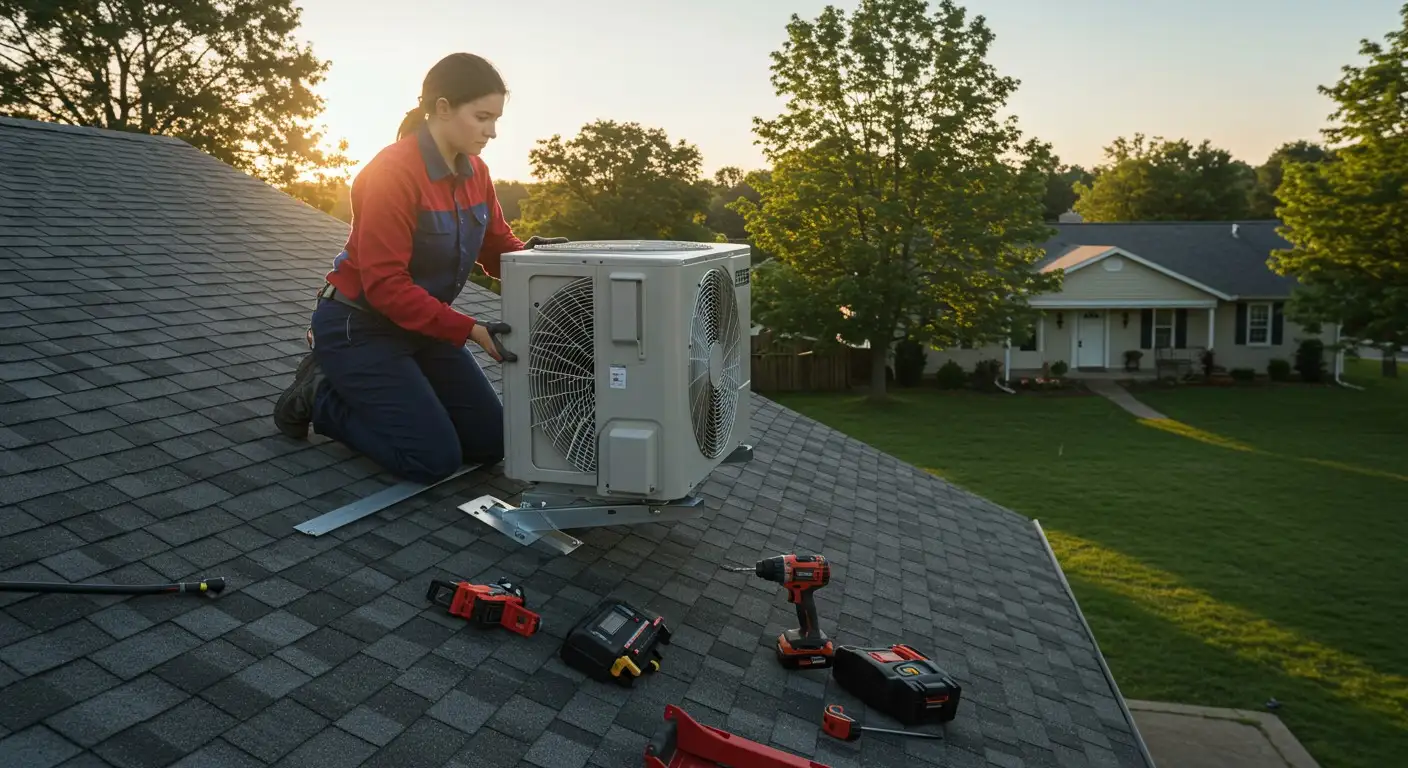
Common AC installation types and issues in Redmond homes
- Replacement of an aging split system (most common).
- Full system changeout including furnace/air handler to ensure matched components.
- Ductless mini-split installations for additions, garages, or homes without ducts.
- Heat pump installations (cooling and efficient heating) replacing older air conditioners.
- Problems leading to replacement: frequent breakdowns, rising repair costs, refrigerant phase-out, poor cooling, rising electric bills, and inconsistent comfort.
Home cooling assessment, system sizing, and SEER considerations
- A proper installation starts with a detailed home cooling assessment and a Manual J load calculation. This evaluates your home’s square footage, insulation, window orientation, occupancy, and shading to determine the correct capacity in tons—not just a rule-of-thumb.
- Manual D duct design and airflow analysis ensure your ducts deliver the right supply and return CFM to each room.
- SEER (Seasonal Energy Efficiency Ratio) indicates efficiency. For Redmond, a balance between upfront cost and long-term savings is typical: higher SEER systems save more energy during long summers but cost more initially. Consider local usage patterns—if your home runs the AC heavily during heat waves, a higher SEER (14-20+) can pay back faster.
- Look for features that improve seasonal performance: variable-speed compressors, two-stage cooling, and matched indoor coil/air handler components.
Recommended system types and features
- High-efficiency split systems with variable-speed compressors: best for central homes needing consistent comfort and humidity control.
- Heat pumps: excellent option in Central Oregon when you want efficient year-round climate control.
- Ductless mini-splits: ideal for additions, converted spaces, or homes without existing ductwork.
- Essential features to consider:
- Matched outdoor condenser and indoor air handler/coil for optimal efficiency.
- Variable-speed blower motors and multi-stage compressors for quieter, more efficient operation.
- High-efficiency filtration (MERV-rated filters) and optional IAQ add-ons like UV lights or ERV/HRV systems for wildfire and dust concerns.
- Smart thermostats for better scheduling, diagnostics, and energy tracking.
Step-by-step installation process you should expect
- Pre-install inspection and confirmation of scope: verify measurements, electrical capacity, duct condition, and permit requirements.
- Removal of the old equipment, including safe refrigerant recovery and disposal according to regulations.
- Preparation of mounting pad or platform for the outdoor unit and secure placement of the indoor unit or air handler.
- Routing refrigerant lines, condensate drain, and electrical wiring between indoor and outdoor units, using proper insulation and protective conduit.
- Installation or modification of ductwork if needed: sealing, adding return paths, and balancing dampers.
- Evacuation of the refrigerant lines with a vacuum pump, leak testing, and proper refrigerant charging based on manufacturer specifications and measured conditions.
- Electrical hookup: dedicated circuit, disconnect, appropriate breaker sizing, and verification of voltage and amperage.
- System startup, thermostat setup, and calibration of controls.
- Homeowner walkthrough explaining operation, filter access, maintenance needs, and warranty registration information.
Electrical and ductwork checks included in a quality installation
- Electrical: confirm service capacity, dedicated circuit, proper wire gauge, safety disconnect, surge protection options, and compliance with local electrical codes.
- Ductwork: inspect for leaks, insulation R-value, proper sizing, obstructions, and adequate return air. Address common Redmond issues like undersized ducts, leaky joints, and poor insulation in attics or crawlspaces.
- Airflow testing to ensure target CFM to each zone and acceptable static pressure across the system.
Post-installation testing and verification
- Measure temperature split (supply vs return) and validate optimal delta-T for the system.
- Check refrigerant charge using superheat and subcooling methods, not just factory charge.
- Verify compressor amperage and operating pressures, proper start/stop cycles, and thermostat communication.
- Inspect condensate drainage and emergency overflow protections.
- Provide a written commissioning report showing test results and any recommended follow-up work.
Warranty information and what to expect
- New systems typically include a manufacturer warranty covering major components like the compressor and coil; warranty length varies by model and manufacturer.
- Installer labor warranties are separate and cover workmanship for a specific time period. Registration of the equipment with the manufacturer is often required to activate full warranty terms.
- Warranty exclusions commonly include lack of routine maintenance, unauthorized repairs, and damage from improper electrical supply or environmental issues.
- Keep documentation of installation, start-up readings, and maintenance visits to support future warranty claims.
Financing and rebate options for Redmond homeowners
- Many homeowners offset upfront costs through manufacturer rebates, local utility rebate programs, and federal tax incentives for qualifying high-efficiency and heat pump systems. Eligibility and amounts vary; homeowners often need model numbers and installation documentation.
- Financing is commonly available through third-party lenders, allowing homeowners to spread payments over time. Financing terms differ and should be reviewed to match expected energy savings and budget.
- Combining energy-efficient equipment with rebates and incentives can significantly reduce net cost and improve payback.
Benefits and maintenance advice
- A correctly sized, professionally installed AC delivers even comfort, longer equipment life, lower energy bills, and improved indoor air quality in Redmond’s dusty, wildfire-prone seasons.
- Routine maintenance is essential: seasonal tune-ups, filter changes, coil cleaning, and airflow checks keep efficiency high and warranties valid.
- For Redmond homes, prioritize filtration and air cleaning during smoke seasons and ensure attic and duct insulation are adequate to maintain system performance.
A thoughtful AC installation tailored to Redmond’s climate and your home’s needs delivers reliable comfort and long-term savings. Proper assessment, correct sizing, quality installation practices, and post-install verification are the elements that ensure your new system operates as intended for years to come.
Stay Ahead of the Heat With Smart, Local Expertise
When it’s time for a new system, trust Mountain View Heating, Inc. for smooth, efficient AC installation in Redmond, OR backed by experience and personal service. We don’t just install—we design systems that work with your home and your goals for energy savings and comfort. Avoid the last-minute rush and lock in your install with a trusted local partner.