






Furnace Replacement in Redmond, OR
When you’re dealing with an aging furnace, constant repair calls, uneven heat, or rising utility costs in Redmond, OR, it’s time to get the problem handled correctly. Mountain View Heating is known for honest pricing, dependable service, and trusted technicians, using a targeted inspection to confirm replacement needs, eliminate the problem, and help keep the issue from coming back with properly matched equipment. When your furnace is past its prime, we move quickly to replace it with dependable heating.
Why homeowners in Redmond choose furnace replacement
- Age and frequent breakdowns: Furnaces older than 15 to 20 years often require repeated repairs and consume more fuel.
- Rising energy costs: Older furnaces with low AFUE ratings drive up heating bills, especially during Redmond’s cold winter months and significant temperature swings.
- Safety and reliability concerns: Cracked heat exchangers, incomplete combustion, or persistent carbon monoxide traces justify replacement on safety grounds.
- Comfort and indoor air quality: Modern furnaces offer better airflow, quieter operation, improved filtration, and compatibility with smart thermostats and zoning for even heat across homes.
- Climate and home characteristics: Redmond’s high-desert climate, with cold nights and dry air, makes a properly sized, efficient furnace especially valuable for maintaining steady indoor temperatures and reducing humidity-related drafts.
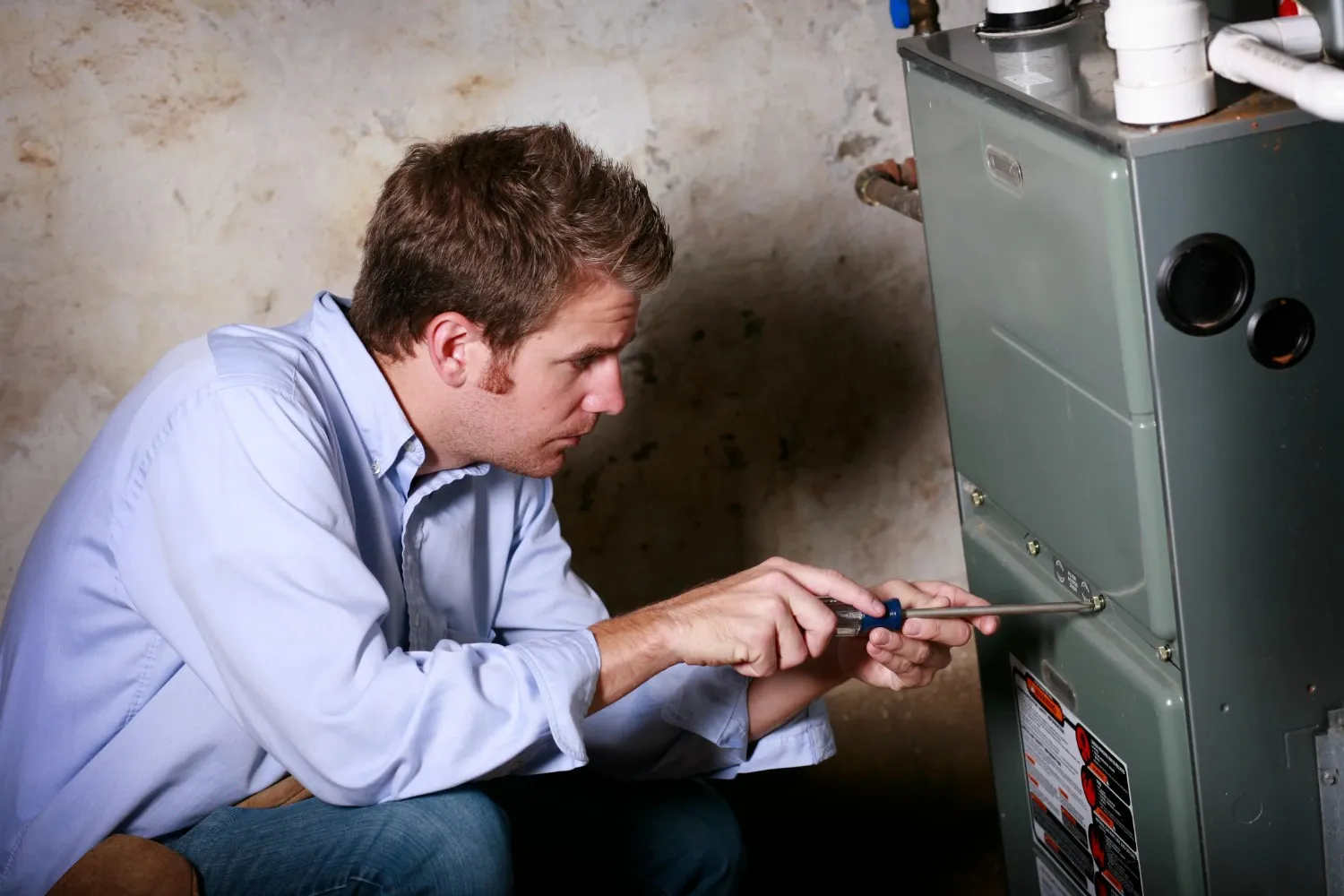
Common furnace problems that lead to replacement
- Repeated component failures (ignition, burners, or control boards)
- Dramatic increases in heating bills despite consistent use
- Uneven heating between rooms or difficulty reaching set temperatures
- Persistent loud operation, rattling, or vibration indicating major mechanical wear
- Visible corrosion, rust, or a cracked heat exchanger
- Incompatible or failing venting that cannot be economically corrected
How technicians evaluate whether to replace or repair
A thorough evaluation precedes any replacement recommendation. Technicians will:
- Inspect the system and age the furnace, noting service history and repair frequency.
- Measure fuel efficiency and compare current AFUE to modern standards.
- Perform a combustion analysis and heat exchanger inspection to assess safety risks.
- Check airflow, duct condition, and return/exhaust venting to identify systemic constraints.
- Run a load calculation (Manual J) to determine correct furnace size based on home envelope, insulation, windows, and local climate loads in Redmond.
If repair costs approach or exceed a sensible percentage of replacement cost, or if the system fails safety checks, replacement is typically recommended. Proper sizing and addressing duct issues can prevent common post-installation problems like short cycling or poor comfort.
Selecting the right energy-efficient replacement
Choosing the proper furnace for a Redmond home means balancing efficiency, durability, and installation constraints:
- Efficiency ratings: High-efficiency condensing furnaces (AFUE 90%+) are common for homeowners focused on lower energy use. Non-condensing units with moderate AFUE may be appropriate where venting or budget limit choices.
- Stage and modulation: Two-stage or variable-speed furnaces improve comfort and efficiency by operating at partial capacity for longer cycles, which is beneficial in the variable temperatures of Central Oregon.
- Blower type: Furnaces with ECM variable-speed blowers maintain consistent airflow and reduce electrical use, improving comfort with quieter operation.
- Compatibility: Match the furnace to existing ductwork and thermostat systems, and consider paired upgrades (zoning, programmable thermostats, or improved filtration) where needed.
- Sizing: Properly sized equipment prevents short cycling and ensures efficient operation through Redmond’s winter nights.
The furnace replacement process: assessment to commissioning
- Initial assessment: Confirm replacement need, perform Manual J load calculation, and choose models meeting efficiency and budget goals.
- Site preparation: Secure permits per local code, prepare the work area, and plan safe removal of the old unit including gas and electrical disconnection.
- Removal: Disconnect and remove the old furnace, cap or properly terminate gas lines, and dispose of old equipment responsibly according to local regulations.
- Installation: Set the new furnace on a level platform, connect gas, electrical, and venting systems, and integrate with existing ducts and thermostat wiring. Seal and insulate connections to prevent heat loss.
- Start-up and commissioning: Technicians will perform combustion and safety checks, verify airflow and venting, program the thermostat, and run the system through cycles to confirm proper operation.
- Documentation: Provide manufacturer warranty registration guidance, explain operating modes, and leave clear instructions for filters and routine care.
Financing and rebate options to lower upfront cost
Furnace replacement often qualifies for incentives that reduce the initial expense:
- Manufacturer incentives and seasonal promotions may lower equipment cost.
- Utility or state energy programs sometimes provide rebates for high-efficiency furnaces or weatherization measures.
- Federal tax credits and efficiency incentive programs periodically apply to qualifying systems.
- Financing options through lenders or contractor-arranged plans can spread payments over months or years, making higher-efficiency upgrades more accessible.
Discussing available rebate programs and financing pathways with your installer during the planning phase helps identify the best combination of efficiency and affordability for your Redmond home.
Long-term benefits and maintenance advice
A properly selected and installed furnace delivers:
- Lower utility bills and reduced fuel consumption
- More consistent indoor comfort during Redmond’s cold periods
- Quieter, more reliable operation with modern safety features
- Improved indoor air quality with better filtration and airflow
To protect your investment:
- Change or clean filters monthly to maintain airflow and efficiency.
- Schedule annual professional tune-ups before winter to check combustion, controls, and safety devices.
- Keep vents and returns unobstructed and seal obvious duct leaks.
- Monitor for unusual noises, odors, or changes in performance and address them promptly.
Furnace Replacement in Redmond, OR ensures your heating system matches the demands of Central Oregon homes: efficient, safe, and tailored to local climate needs. Proper assessment, correct sizing, quality installation, and understanding financing and rebate options are key steps to a successful replacement and years of dependable comfort.
Upgrade Now for a Warmer, More Efficient Tomorrow
If your system is outdated, it might be costing you more than it should. Our furnace replacement in Redmond, OR services are tailored to your home and heating goals, with trusted guidance from Mountain View Heating, Inc. We’ll help you find the right solution for a warmer, quieter, and more efficient home. Start fresh this season—before winter peaks.