






HVAC Replacement Redmond, OR
Upgrading your HVAC system is one of the most effective ways to improve year round comfort, reduce energy bills, and protect indoor air quality in Redmond homes. With Central Oregon s high desert climate—cold winters, warm summers, wide daily temperature swings, seasonal wildfire smoke and dusty conditions—choosing the right replacement system and getting it installed correctly has immediate and long term impact. This page explains when replacement is the smarter move than repair, how to choose the right system for Redmond conditions, what the installation process looks like, how old equipment is handled, common financing options, and the performance improvements you can expect after a professional replacement.
When it s time for HVAC replacement: common signs in Redmond homes
Replacing rather than repairing is often the better financial and comfort decision when you see several of these indicators:
- System age: Furnaces and air conditioners older than 12 to 15 years typically lose efficiency and reliability.
- Rising operating costs: Heating and cooling bills climbing despite regular service.
- Frequent repairs: Repeated breakdowns or repair costs approaching the value of a new system.
- Poor comfort: Uneven temperatures, rooms that never reach set points, or persistent humidity issues.
- Strange noises and smells: Knocking, grinding, burning smells, or refrigerant odor.
- Safety concerns: Cracked heat exchangers, repeated pilot or ignition failures, or CO detector alerts.
- Air quality problems: Excessive dust, persistent smoke smell during wildfire season, or elevated allergy symptoms despite filter changes.
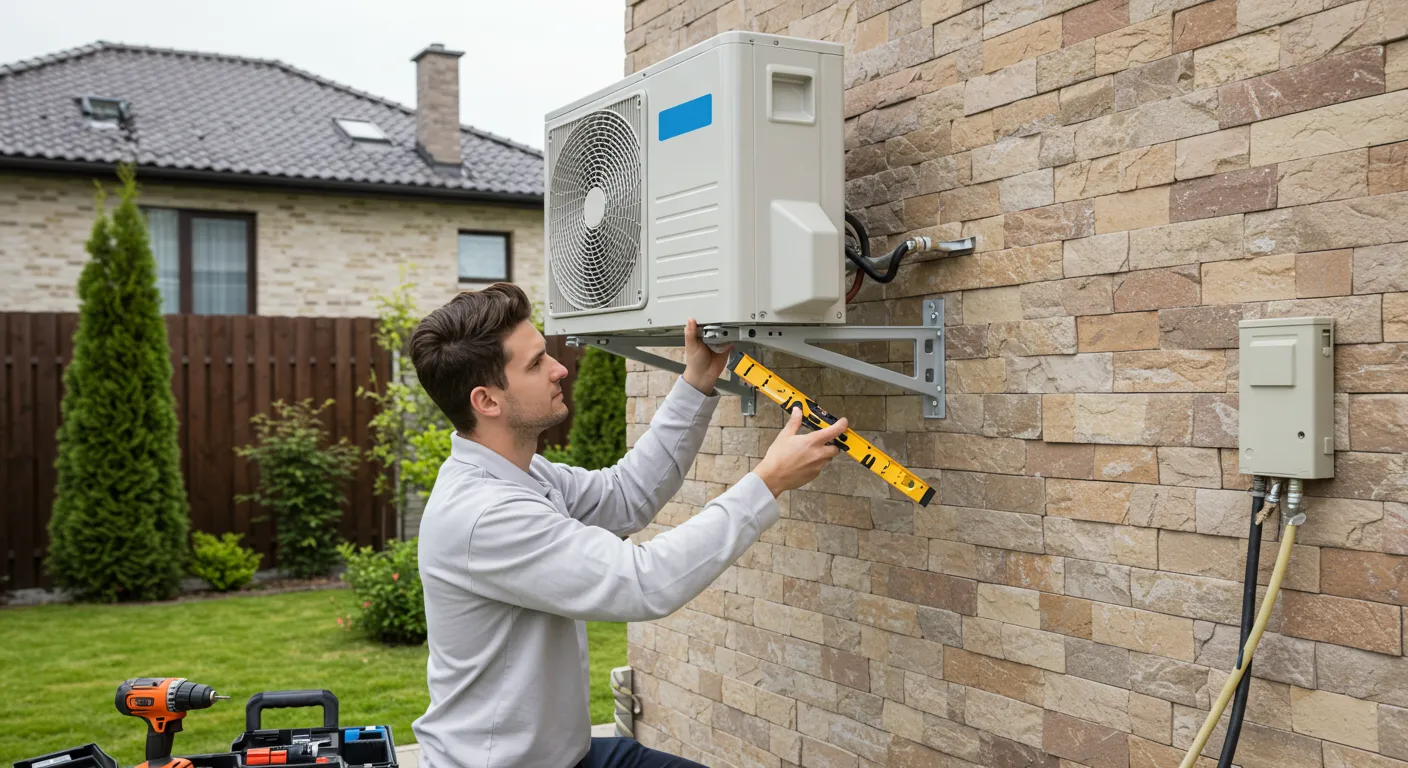
Repair vs replacement: efficiency and cost-savings comparison
Making the decision should factor in both short term repair cost and long term operating cost:
- Efficiency loss: Older units operate at lower AFUE, SEER or HSPF ratings. A high-efficiency heat pump or furnace can lower annual energy use by 20 to 40 percent compared to a 15+ year old system.
- Payback timeline: Higher initial cost for a modern unit is offset over time by lower utility bills, fewer repairs, and extended warranty coverage.
- Reliability and resale value: New HVAC systems increase home value and reduce the risk of emergency replacements during Redmond s cold snaps.
Choosing the right system for Redmond, OR
Local climate and home characteristics should guide system selection:
- Heat pumps: Modern cold-climate heat pumps perform well in Central Oregon, offering efficient heating and cooling in one system. Look for models with good low-temperature ratings if winters get particularly cold.
- High-efficiency furnaces: Natural gas furnaces with high AFUE remain a common choice for reliable heating in areas with very cold floors or where ducted systems are already in place.
- Air conditioners and packaged systems: If cooling is a priority during summer, choose a high SEER-rated AC sized appropriately for the home s load.
- Ductless mini-splits: Ideal for additions, converted spaces, or homes without ducts; also useful for targeted heating and cooling in rooms with hot or cold spots.
- Ductwork considerations: Older Redmond homes commonly have leaky or undersized ducts. Combine system replacement with duct sealing, insulation or reconfiguration for best results.
- Indoor air quality: Given seasonal wildfire smoke and dust, integrate upgraded filtration, whole-home air purifiers, or ERV/HRV ventilation to protect indoor air.
System sizing and selection guidance
Proper sizing is essential to avoid short cycling, poor humidity control, and premature wear:
- Load calculation: A professional Manual J load calculation accounts for Redmond s altitude, insulation, window orientation, and occupancy to determine correct system capacity.
- Match components: Ensure outdoor and indoor units and the duct system are matched for performance and warranty compliance.
- Efficiency ratings: Compare AFUE for furnaces, SEER and EER for cooling, and HSPF for heat pumps when evaluating long-term savings.
The replacement and installation process
A clear, professional installation process improves reliability and comfort:
- On-site assessment: Technician verifies existing equipment, measures home load, inspects ducts, and discusses comfort priorities.
- System selection: Options and performance trade-offs are reviewed; correct sizing is confirmed.
- Permits and code compliance: Installer obtains required local permits and ensures code-compliant electrical, gas, and refrigerant handling.
- Removal of old equipment: Safe disconnection, refrigerant recovery when applicable, and careful removal to protect the home.
- Installation of new system: Proper pad, supports, refrigerant lines, gas connections, condensate drains, duct transitions, and thermostat wiring; refrigerant charge and airflow adjusted to manufacturer specs.
- System testing and commissioning: Performance verification, safety checks, and homeowner orientation on controls and maintenance.
- Documentation: Warranties, manuals, and maintenance recommendations provided.
Typical timeline for a straightforward residential replacement is one to two working days; larger projects with ductwork or structural changes may take longer.
Disposal and environmental handling of old units
Old HVAC units must be removed and disposed responsibly:
- Refrigerant recovery: Certified technicians must recover and properly handle refrigerants to prevent atmospheric release.
- Recycling: Metal and component recycling reduces landfill waste.
- Proper disposal of hazardous components: Oil, capacitors, or untreated PCB-containing parts are handled according to local regulations.
Financing and incentives tailored to Redmond homeowners
A range of payment options often available for replacement projects:
- Traditional financing and installment plans through HVAC lenders or local programs.
- Energy-efficiency rebates or utility incentives: Local utilities and regional programs sometimes offer rebates on high-efficiency equipment or heat pump installations.
- Tax credits and incentives: State or federal programs occasionally provide credits for qualifying energy efficient upgrades.
When evaluating financing, consider term length, interest rate, monthly payment impact, and the system s expected energy savings.
Expected performance improvements after replacement
After a professionally installed replacement you can expect:
- Lower energy bills: Typically 15 to 40 percent reduction depending on the previous system and new efficiency rating.
- Improved comfort: Better temperature consistency, quicker recovery times, and superior humidity control.
- Quieter operation: Modern equipment is designed to run much quieter than older units.
- Better indoor air quality: Upgraded filtration and ventilation lower dust, pollen, and smoke infiltration.
- Reduced service calls: New equipment under warranty and with modern components reduces emergency repairs.
Post-installation care and maintenance tips
To protect your investment and maintain peak performance:
- Schedule annual tune ups: Heating system service in fall, cooling service in spring.
- Change filters regularly: More frequently during dusty seasons or smoke events.
- Keep outdoor units clear of debris and vegetation.
- Use programmable or smart thermostats: Proper settings maximize efficiency and comfort.
- Consider a service plan for priority maintenance and extended equipment life.
Replacing your HVAC system in Redmond is a significant home improvement with measurable comfort and financial returns when done with the right planning, sizing, and professional installation. Proper attention to local climate challenges, ductwork condition, and indoor air quality ensures the new system delivers reliable, efficient performance for years to come.
A Fresh Start for Long-Term Efficiency
If your current system is outdated or inefficient, our HVAC replacement in Redmond, OR offers a clean slate—and smart savings. Mountain View Heating, Inc. provides tailored recommendations and quality installs, so you enjoy dependable performance for years to come. Ready to replace the old with comfort built for today?