






Heating Tune Up in Redmond, OR
When you’re dealing with reduced efficiency, longer run times, minor performance changes, or a system that hasn’t had seasonal care in Redmond, OR, it’s time to get the problem handled correctly. Mountain View Heating is known for honest pricing, dependable service, and trusted technicians, using a targeted inspection to catch wear early, eliminate the problem, and help keep the issue from coming back through detailed tune-up service. Small heating issues can grow into bigger repair calls, and we work quickly to keep your system on track.
What a comprehensive heating tune up includes
A proper seasonal tune up follows a checklist of mechanical, safety, and performance tasks. Typical maintenance steps include:
- Visual inspection and basic cleaning: Remove dust, debris, and light deposits from the furnace cabinet, burners, heat exchanger access, and surrounding areas to help the system run cleanly and safely.
- Filter check and replacement guidance: Inspect filters for clogging and recommend correct replacement type and interval. Clean or replace filters if included in the service.
- Combustion and venting inspection: Check burner flames, combustion efficiency, and venting pathways to ensure safe, complete combustion and proper flue draft. This reduces carbon monoxide risk and improves fuel use.
- Heat exchanger inspection: Look for cracks, corrosion, or signs of stress that can lead to dangerous combustion leaks.
- Blower and airflow service: Clean blower assembly, inspect blower motor and belt (if present), and verify proper airflow through ducts to eliminate cold spots and short cycling.
- Thermostat calibration and control checks: Confirm thermostat reads and controls temperature accurately, verify setpoints, and test communication with the heating system.
- Safety control tests: Test limit switches, flame sensors, pressure switches, and other safety devices to verify the furnace will shut down safely if a fault occurs.
- Ignition system and pilot check: Inspect electronic ignitors or pilot assemblies, clean flame sensors, and ensure reliable ignition.
- Lubrication and mechanical adjustments: Lubricate motors and bearings where applicable and make small mechanical adjustments to improve operation.
- System performance checks: Measure operating pressures and temperatures, listen for unusual noises, and evaluate run cycles for efficiency and reliability.
- Recommendation report: Provide a clear summary of findings, parts that may need repair soon, and suggested next steps to avoid future failures.
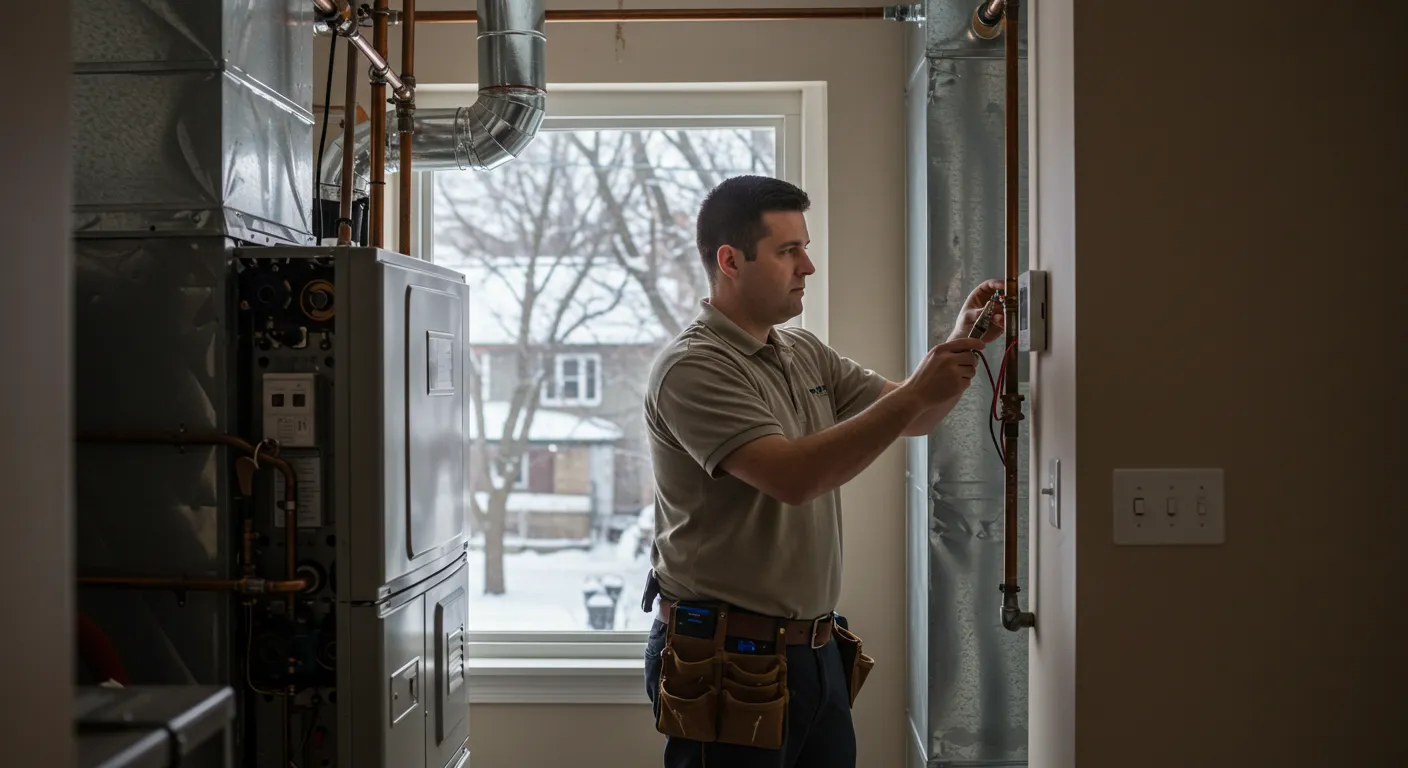
Why seasonal tune ups matter in Redmond
Redmond’s high desert climate and seasonal conditions create specific stresses on home heating systems:
- Cold nights and extended heating seasons increase runtime and accelerate wear on motors, burners, and controls.
- Wood smoke and wildfire season can bring fine particulates that clog filters and coat heat exchangers, reducing efficiency.
- Large daytime-to-nighttime temperature swings make accurate thermostat control more important for consistent comfort.
- Older or poorly maintained systems are more likely to fail during cold spells when repair demand is highest.
A fall tune up before the heavy-use months reduces risk of emergency breakdowns, preserves efficiency, and protects indoor air quality during periods when homes are closed up against cold or smoke.
Common heating problems found during tune ups in Redmond homes
- Clogged or incorrect filters causing restricted airflow and reduced efficiency.
- Dirty burners and flame sensors leading to ignition failures or rough operation.
- Thermostat drift or miscalibration causing temperature swings and poor comfort.
- Venting obstructions or degraded seals increasing carbon monoxide risk or reducing draft.
- Worn blower motors and bearings creating noise, higher energy use, and eventual failure.
- Cracked or corroded heat exchangers (safety concern that requires immediate attention).
- Frozen condensate or drain lines on high-efficiency furnaces in extreme cold.
Identifying these issues early during a tune up prevents expensive repairs, helps protect occupants, and keeps fuel use low.
The tune-up process — what to expect from a technician
A professional heating tune up typically takes 45 to 90 minutes depending on system type and age. Technicians start with a safety-first visual check, then move to mechanical and electrical inspections while the system runs through a full cycle. Expect simple, plain-language explanations of any findings and a short written report outlining any recommended repairs or parts replacements. If additional repairs are needed, a technician will explain the reason and priority level so you can plan appropriately.
Recommended frequency and membership options
- Annual fall tune up: Recommended for most Redmond homes to prepare systems for winter.
- Semi-annual checks: Consider twice-yearly service for older systems, properties with heavy use, or households affected by wildfire smoke or high dust levels.
- Comfort Club or maintenance membership: Many homeowners opt for a recurring maintenance plan that schedules annual or semi-annual tune ups, includes priority scheduling during peak season, records maintenance history, and may include perks like filter delivery or discounted repair labor. Memberships help ensure tune ups happen consistently and can protect warranty requirements that call for regular professional maintenance.
No matter which option you choose, regular maintenance preserves equipment life, prevents avoidable failures, and maintains manufacturer warranty compliance.
Expected outcomes and long-term benefits
After a thorough heating tune up you should notice:
- More reliable operation with fewer unexpected breakdowns during cold snaps.
- Improved efficiency and lower energy waste due to clean burners, proper combustion, and unobstructed airflow.
- Safer performance with tested safety controls and verified venting to reduce carbon monoxide risk.
- More consistent comfort from calibrated thermostats and balanced airflow.
- Longer equipment life because motors, bearings, and controls are serviced before premature wear causes failure.
- Clear maintenance records useful for resale or warranty documentation.
A tune up is an investment in safety, comfort, and predictable home energy costs. For Redmond homeowners who rely on dependable heating through long chilly nights and variable air quality seasons, annual professional maintenance is an effective way to protect your home and family.
Summary
A full Heating Tune Up in Redmond, OR combines safety inspections, combustion and venting checks, filter and airflow service, thermostat calibration, and system tuning to improve efficiency, comfort, and reliability. Scheduling seasonal maintenance before winter and enrolling in a recurring maintenance plan helps prevent emergencies, extend equipment life, and maintain safe operation in Redmond’s unique climate conditions.
Seasonal Maintenance Built for Central Oregon Homes
A routine heating tune-up in Redmond, OR helps keep your system running efficiently, safely, and reliably throughout the winter. At Mountain View Heating, Inc., we’ve seen how small adjustments now prevent major headaches later—so we tailor every tune-up to your system’s needs and your home’s demands. Don’t wait until it’s too late.