






Furnace Installation in Redmond, OR
When you’re dealing with an outdated furnace, uneven heat, repeated repairs, or rising energy costs in Redmond, OR, it’s time to get the problem handled correctly. Mountain View Heating is known for honest pricing, dependable service, and trusted technicians, using a targeted inspection to size the system properly, eliminate the problem, and help keep the issue from coming back with the right installation approach. A failing furnace can turn into a right-now concern, and we install quickly to restore reliable heat.
Why a proper furnace installation matters in Redmond homes
Redmond’s winters require reliable heat and efficient operation. An improperly sized or poorly installed furnace can:
- Short-cycle and increase utility costs
- Fail to reach comfortable temperatures on cold nights
- Produce uneven heating and premature wear
- Create safety and indoor air quality risks if venting or combustion is incorrect
A correct installation considers local climate, home insulation levels, duct condition, and elevation to deliver safe, efficient, and durable heating.
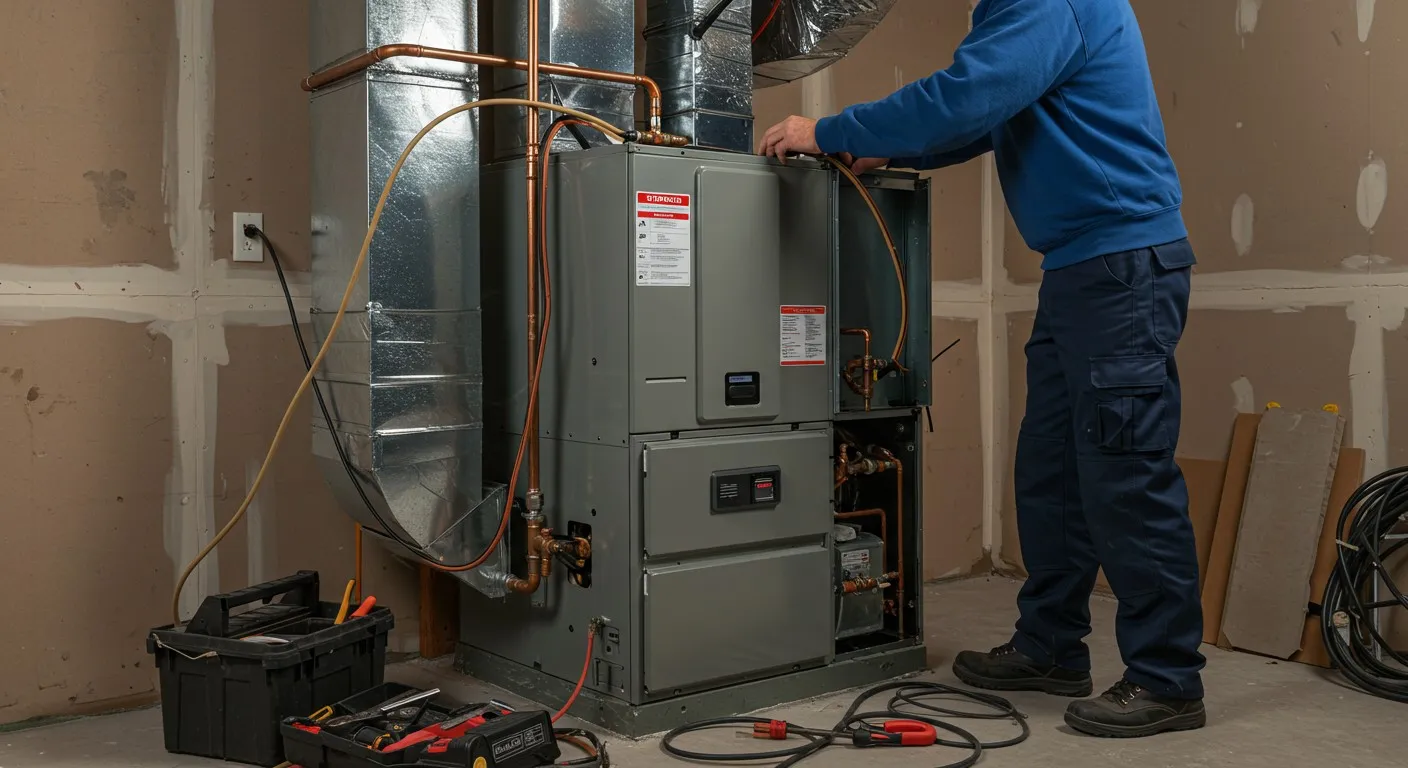
System selection: gas, electric, and high-efficiency options
Choosing the right system depends on your fuel availability, budget, and performance goals.
- Gas furnaces: Common in Redmond for lower operating costs. Look for high-efficiency condensing furnaces (AFUE 95%+) if you want the best fuel savings. Condensing units require PVC venting and condensate drainage.
- Electric furnaces: Simpler to install and nearly 100% efficient at the point of use, but electricity rates typically make them more expensive to run than gas in colder months.
- Variable-speed and multi-stage furnaces: Provide more consistent temperatures, quieter operation, and better efficiency by modulating output to match demand.
- Heat pump alternatives: In milder heating needs, heat pumps can be more efficient. In Redmond’s colder periods, pairing a heat pump with a backup furnace or choosing a cold-climate heat pump requires careful planning.
Selecting the right model also includes considerations for blower motor type, noise level, and compatibility with smart or programmable thermostats.
Load calculations and correct sizing
Proper sizing is one of the most important factors in furnace performance. Professional installations use industry-standard load calculations (Manual J) to determine the heat loss for your specific home. A proper sizing process accounts for:
- Square footage and ceiling heights
- Insulation levels and window types
- Air infiltration and orientation
- Local design temperatures for Redmond’s climate
- Elevation effects on combustion appliances
Oversized furnaces short-cycle, wasting energy and creating comfort problems. Undersized units cannot maintain temperature on the coldest days. A correctly sized furnace reduces wear, controls humidity better, and keeps operating costs predictable.
Ductwork and venting requirements
Ducts and vents are as important as the furnace itself.
- Duct sizing and distribution: Properly sized ducts (Manual D) ensure even airflow throughout the house. In older Redmond homes, leaky or undersized ducts in crawlspaces or attics are common and can cut system performance.
- Sealing and insulation: Sealing seams and insulating ducts running through unconditioned spaces prevents heat loss and improves efficiency.
- Venting and combustion air: Gas furnaces require correct venting type and clearances. High-efficiency condensing units use PVC venting and must have a proper condensate drain. Altitude and local codes affect combustion air requirements and setpoints; installers must follow manufacturer guidelines and local code.
- Backdraft prevention and makeup air: Ensuring flues draft correctly and combustion appliances have adequate makeup air protects indoor air quality and safety.
Typical installation timeline and process
A clear installation process sets expectations and minimizes disruption.
- On-site assessment and measurements: 1–2 hours. Includes load calculation, duct inspection, and choosing location.
- Removal of the old unit: 2–4 hours depending on access and complexity.
- Installation and duct modifications: 4–8 hours for straightforward replacements; more if ducts, gas lines, or venting need major changes.
- Electrical, gas, and vent connections: Time varies; condensing units need condensate hookup and proper vent terminations.
- Start-up, testing, and balancing: 1–2 hours for combustion analysis, safety checks, thermostat setup, and airflow balancing.
- Final inspection and paperwork: May be required locally; installers often coordinate this step.
Most complete installations are finished within a single workday for like-for-like replacements but can take 1–2 days if additional ductwork, gas line upgrades, or structural access is necessary.
Safety checks and code compliance
Safety is critical with fuel-burning equipment. Key checks include:
- Combustion analysis and flue draft testing
- Carbon monoxide leak checks and verifying vent terminations
- Gas tightness testing and pressure checks
- Proper clearances to combustibles and correct vent pipe sizing
- Electrical connections and thermostat calibration
- Confirmation that ventilation and combustion air meet local codes
Installers should follow manufacturer instructions and local building codes; in Redmond, altitude and specific code requirements can affect adjustments and commissioning.
Warranty coverage and what to review
Furnace installations typically include multiple warranty layers:
- Manufacturer parts warranty: Covers major components; terms vary by model.
- Heat exchanger warranty: Often a longer-term or limited lifetime warranty depending on the unit.
- Installer labor warranty: Covers workmanship for a set period after installation; terms vary.
Carefully review warranty conditions, including required maintenance schedules and registration steps that keep warranties valid.
Energy-saving expectations after installation
Upgrading an older furnace yields noticeable improvements:
- Higher AFUE ratings reduce fuel use. Replacing an older 60–80% AFUE unit with a 95%+ model can result in significant annual fuel savings, often in the range of 20–40% depending on prior equipment and home envelope.
- Variable-speed blowers and multi-stage operation improve comfort and reduce cycling losses.
- Sealing ducts and adding proper insulation magnifies savings and increases system longevity.
- Pairing a new furnace with a programmable or smart thermostat optimizes run times and further reduces energy use.
Actual savings depend on prior equipment, insulation levels, thermostat settings, and local fuel costs.
Maintenance and long-term performance
To protect efficiency and warranty coverage, ongoing care is essential:
- Annual tune-ups: Combustion tune, filter checks, and safety inspections keep systems operating safely and efficiently.
- Regular filter replacement: Maintains airflow and indoor air quality.
- Periodic duct inspections and sealing: Reduces losses and improves comfort balance.
- Prompt repairs: Address small issues early to avoid major failures during Redmond’s coldest periods.
Installing the right furnace, sized correctly, with proper venting and ductwork, delivers reliable winter comfort, improved safety, and predictable energy costs for Redmond homes. Proper commissioning, testing, and routine maintenance ensure that those benefits last for years.
Built for Cold Winters, Installed With Precision
Our expert furnace installation in Redmond, OR ensures your home is prepared for winter’s chill with energy efficiency and powerful performance. Mountain View Heating, Inc. installs systems that fit your space, budget, and long-term comfort goals—never one-size-fits-all. Don’t risk downtime when temperatures drop—get ahead of the season now.