





AC Replacement in Redmond, OR
Replace your outdated AC system with efficient, high-performance options from Mountain View Heating, Inc. in Redmond, OR. Get a free quote—call our team today!

AC Replacement in Redmond, OR
When you’re dealing with an aging air conditioner, higher utility bills, uneven cooling, or repeated repair calls in Redmond, OR, it’s time to get the problem handled correctly. Mountain View Heating is known for honest pricing, dependable service, and trusted technicians, using a targeted inspection to confirm replacement needs, eliminate the problem, and help keep the issue from coming back with properly selected equipment. When your AC is nearing the end of the line, we move quickly to replace it with reliable cooling you can count on.
Why AC replacement matters in Redmond, OR
Redmond’s high-desert climate produces intense daytime heat, large diurnal temperature swings, and dusty conditions that stress aging equipment. Many homes also face seasonal smoke and higher indoor air quality needs. An inefficient or failing AC can mean uneven cooling, rising energy bills, and inadequate filtration during smoke events. Upgrading to a properly sized, modern system not only restores comfort but reduces energy use and improves indoor air quality when paired with upgraded filtration and ventilation.
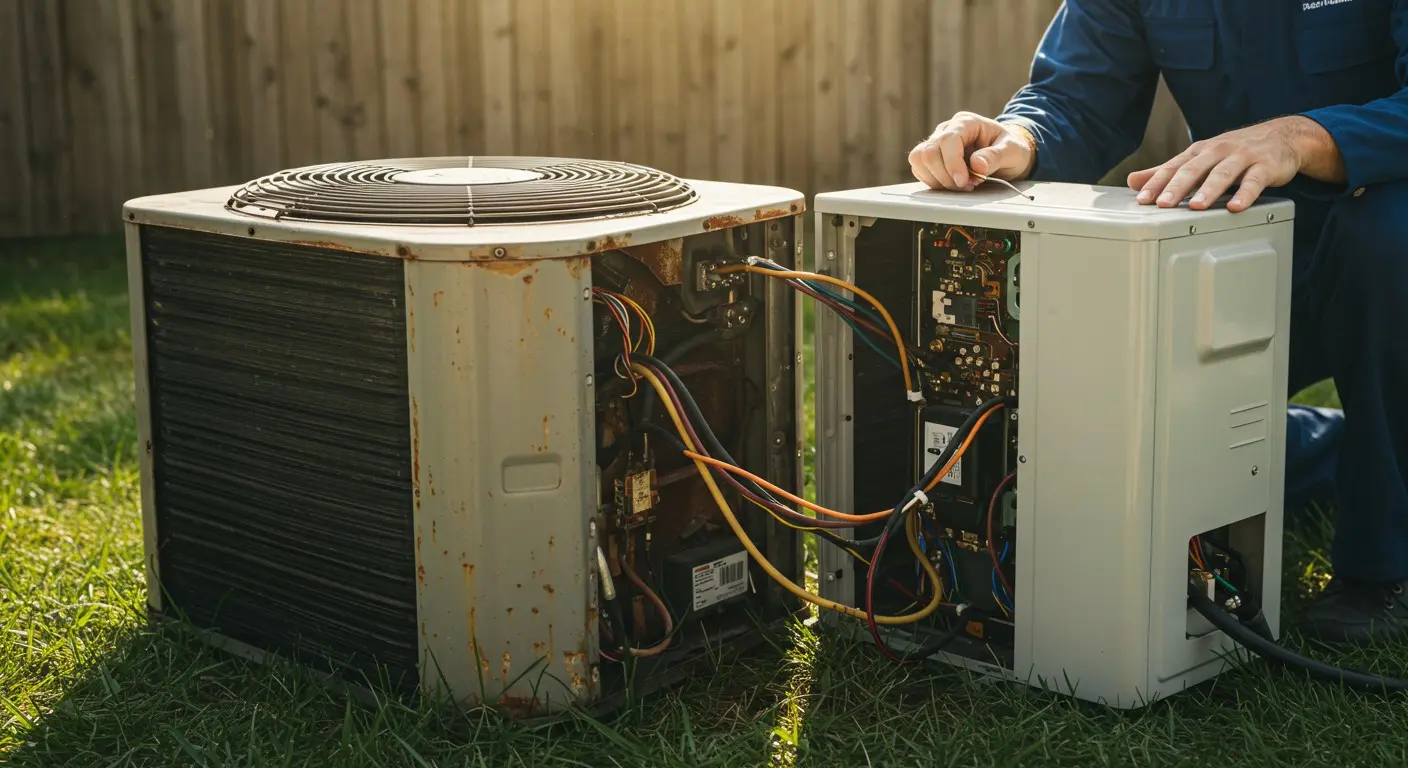
Common signs you need a new AC
If you recognize one or more of these signs, replacement may be the most cost-effective solution:
- Frequent breakdowns or expensive repairs, indicating end-of-life components.
- Age 10-15+ years, especially if performance has declined or refrigerant is being phased out.
- Poor cooling or uneven temperatures despite maintenance.
- Sharp increases in energy bills without changes in usage.
- Rattling, grinding, or loud operation from the outdoor unit or air handler.
- Refrigerant leaks or repeated recharge needs, especially with older refrigerants.
- Rust, corrosion, or a visibly failing coil or compressor.
- Duct issues that would require costly repairs unique to older systems — sometimes replacement is more sensible.
Energy-efficiency improvements with modern units
Modern AC systems offer meaningful efficiency and comfort upgrades:
- Higher SEER ratings for lower seasonal energy use during Redmond’s warm months.
- Variable-speed compressors and multi-stage systems for steadier comfort and humidity control during cool nights and hot afternoons.
- Improved refrigerants with lower environmental impact.
- Enhanced filtration and integrated IAQ options (better filters, media filters, or paired ventilation) to help during wildfire smoke seasons.
- Smart thermostats and zoning compatibility for better control and savings in homes with variable occupancy.
System types to consider in Redmond
- Central split-system AC — traditional choice for homes with existing ductwork; efficient and familiar.
- Heat pump systems — provide both cooling and efficient heating, often ideal for milder Central Oregon winters and offering year-round efficiency.
- Ductless mini-splits — excellent for homes without ducts, additions, or rooms needing independent temperature control.
- Hybrid systems — combine heat pump technology with gas furnaces for flexible efficiency where winter temperatures dip.
System selection and sizing (why sizing matters)
Proper sizing is critical. Oversized systems cycle too frequently, reducing efficiency and comfort; undersized systems can’t keep up on the hottest Redmond afternoons. A professional load calculation (Manual J) accounts for:
- Local climate and sun exposure
- Home orientation and insulation levels
- Window sizes and types
- Number of occupants and typical use patterns
- Existing duct condition and layout
Sizing also determines required airflow (CFM) and whether duct upgrades are needed. Expect technicians to inspect insulation, duct leakage, and attic ventilation when recommending systems.
Removal and disposal of old equipment
Safe, compliant removal protects the environment and your home:
- Refrigerant recovery must follow EPA rules; refrigerant is recovered and recycled or disposed of properly.
- Salvage and recycling of metal, copper, and electronic components is standard practice.
- Proper disposal of oils, filters, and insulation materials prevents contamination.
- If electrical or breaker upgrades are needed, licensed electricians handle disconnects and panel work. Permits and disposal documentation are often part of replacement projects.
Typical installation steps
- Pre-install inspection and load calculation to confirm sizing and identify duct or electrical upgrades.
- Remove old equipment with proper refrigerant recovery and recycling.
- Prepare installation site: pad or platform, clearances, and necessary electrical work.
- Install outdoor condensing unit and indoor air handler or coil; run refrigerant lines and condensate drains.
- Complete electrical connections and safety devices including disconnects and breakers.
- Vacuum, charge, and test the refrigerant circuit to manufacturer specs.
- Commissioning and airflow balancing to ensure correct operation, refrigerant charge, and thermostat calibration.
- System walkthrough and documentation, including maintenance recommendations and warranty registration.
What affects replacement cost
Replacement cost varies based on several factors:
- System type and efficiency level selected
- Proper capacity and complexity of sizing work
- Ductwork condition and necessary repairs or modifications
- Electrical upgrades or permits required
- Additional IAQ upgrades (filtration, ventilators, humidity control)
- Accessibility of equipment and installation complexity
Understanding these factors helps you compare bids on an apples-to-apples basis and choose the solution that best balances upfront investment and long-term operating costs.
Rebates, incentives, and financing options
Homeowners in Central Oregon often qualify for incentives that reduce net cost:
- Local utility rebates for high-efficiency equipment or heat pump conversions
- State or federal incentives and tax credits for certain energy-efficient systems
- Manufacturer rebates on qualifying models
- Financing and payment plans that spread replacement costs over time, and sometimes energy-efficiency loan programs
When evaluating options, look for programs that apply to both equipment and qualifying upgrades like improved insulation or duct sealing. Documentation and timely registration are usually required to claim incentives.
Benefits and maintenance after replacement
A properly chosen and installed replacement provides:
- More consistent comfort during Redmond’s hot days and cool nights
- Lower energy use and potentially significant operational savings
- Better indoor air quality and filtration for smoke-prone seasons
- Improved reliability and longer system life backed by manufacturer warranties
Post-install, regular seasonal maintenance (filter changes, coil cleaning, airflow checks, and annual tune-ups) preserves efficiency and protects warranties.
Replacing an AC is about matching the right technology to your home’s needs and Redmond’s climate. Focus on correct sizing, efficiency features that matter for seasonal conditions, and IAQ options that address dust and smoke. A thoughtful replacement plan balances performance, long-term savings, and the environmental considerations that matter for Central Oregon homes.
A Smart Replacement Now Means Comfort for Years to Come
Is your current unit draining your wallet or falling short on performance? Our expert AC replacement in Redmond, OR at Mountain View Heating, Inc. helps you upgrade to a system that’s quieter, more efficient, and built for the Central Oregon climate. Let’s design the perfect fit for your home before the heat ramps up.