


The Science Behind How Dirty Filters Cause Frozen Evaporator Coils
To understand how dirty filters cause frozen evaporator coils, we have to look at the physics of heat exchange. Your air conditioner doesn't actually "create" cold; it removes heat from your home. The evaporator coil, located inside your indoor air handler, is the star of this show. Cold refrigerant flows through these copper loops, and your system’s blower fan pulls warm air from your rooms, through the return vents, and across these cold coils.
Under normal conditions, the warm air passing over the coils provides enough heat to keep the refrigerant inside from dropping below the freezing point. It’s a delicate balance. However, when a filter is caked with dust, pet dander, and debris, it acts like a wall. The blower motor struggles to pull air through that thick layer of grime.
When the airflow is restricted, there isn’t enough "heat" moving across the coil to keep it warm. The refrigerant temperature plummets. Since air naturally contains humidity, that moisture condenses on the cold metal of the coil. Without warm air to move that moisture along or keep the temperature up, those droplets turn into ice. Once a thin layer of ice forms, it acts as an insulator, making it even harder for the coil to absorb heat. This creates a "snowball effect" where the ice grows thicker and thicker until your unit is encased in a block of ice. To learn more about this process, check out our guide on Ice Forming on Your AC Unit Causes and What to Do.
Recognizing the Signs of a Frozen AC System in Bend
Living in Central Oregon, we rely on our AC units to handle those dry, high-desert summer peaks. If your system is starting to struggle, it might be trying to tell you that the coils are icing up. Here are the most common symptoms we see in homes from Redmond to La Pine:
- Reduced Cooling Power: You might notice the house feels humid or just "stuffy," even though the AC is running.
- Warm Air from Vents: If the air coming out of your supply registers feels room temperature or even warm, the ice is likely blocking the heat exchange process.
- Visible Frost: You might see ice on the copper refrigerant lines leading into the indoor unit or even frost on the exterior of the air handler cabinet.
- Hissing or Bubbling Sounds: Sometimes, as ice forms or refrigerant struggles to move through a frozen line, you’ll hear unusual noises.
- High Utility Bills: A frozen system runs constantly because it can never reach the temperature set on the thermostat, leading to a spike in energy usage.
- Excess Water: As the ice begins to melt (either when the system cycles off or when it gets too heavy), you might see puddles around the indoor unit or a full condensate drain pan.
If your system isn't responding at all, you may want to review AC Not Turning On What to Check First before the ice causes further damage.
Why My AC is Blowing Warm Air and Icing Up
It feels like a contradiction: how can a machine covered in ice blow warm air? When the evaporator coil is frozen, the air can no longer pass through the fins of the coil. The blower fan might still be spinning, but it’s essentially trying to push air through a solid block of ice.
Additionally, if your thermostat is set to "Auto" but the system is running 24/7 to keep up with the heat, the coil never gets a "break" to naturally shed moisture. If you are stuck in this situation, our Why Is My AC Blowing Warm Air Troubleshooting Steps can help you narrow down if a dirty filter is the primary culprit or if something else is at play.

How to Fix and Prevent Frozen Coils in Your Home
If you've discovered a block of ice where your evaporator coil should be, the very first thing you must do is turn the AC off at the thermostat. Do not simply turn the temperature up; switch the entire system to "Off."
Continuing to run a frozen AC can cause the compressor—the most expensive part of your system—to fail. Once the system is off, you can switch the fan setting from "Auto" to "On." This will force the indoor blower to move room-temperature air over the ice, helping it melt faster. Depending on how thick the ice is, this thawing process can take anywhere from 4 to 12 hours. For more immediate DIY checks, see our AC Troubleshooting Tips Before Calling a Pro.
Step-by-Step: Thawing Your System After Dirty Filters Cause Frozen Evaporator Coils
- Power Down: Switch the AC to "Off" at the thermostat.
- Activate the Fan: Switch the fan to "On" to circulate air and speed up the melting process.
- Check the Filter: Remove the air filter. If it’s grey, dusty, or you can’t see light through it, dispose of it immediately.
- Monitor the Drain: As the ice melts, it will produce a lot of water. Ensure your condensate drain line isn't clogged so you don't end up with water damage in your home.
- Dry It Out: Wait until the ice is completely gone and the coils are dry before attempting to restart the system with a fresh filter.
- Prep for Summer: Use this downtime to ensure the rest of your system is ready by following our guide on How to Prepare Air Conditioner for the Summer.
Maintenance Tips to Avoid Future Freezing
The best way to handle a frozen coil is to never let it happen in the first place. Regular filter changes are the cheapest insurance policy you can buy for your HVAC system.
| Filter Type | Replacement Frequency | Best For |
|---|---|---|
| Fiberglass (Flat) | Every 30 Days | Basic protection; high airflow |
| Pleated (MERV 8-11) | Every 60-90 Days | Standard homes; pet owners |
| High-Efficiency (MERV 13+) | Every 3-6 Months | Severe allergies; requires high-pressure blower |
Beyond filters, make sure your return vents aren't blocked by furniture or curtains. Your system needs to "breathe" to stay unfrozen. If you're wondering about the bigger picture of system health, we explain the details in How Often Should You Service Your HVAC System.
Beyond the Filter: Other Reasons for Frozen Coils
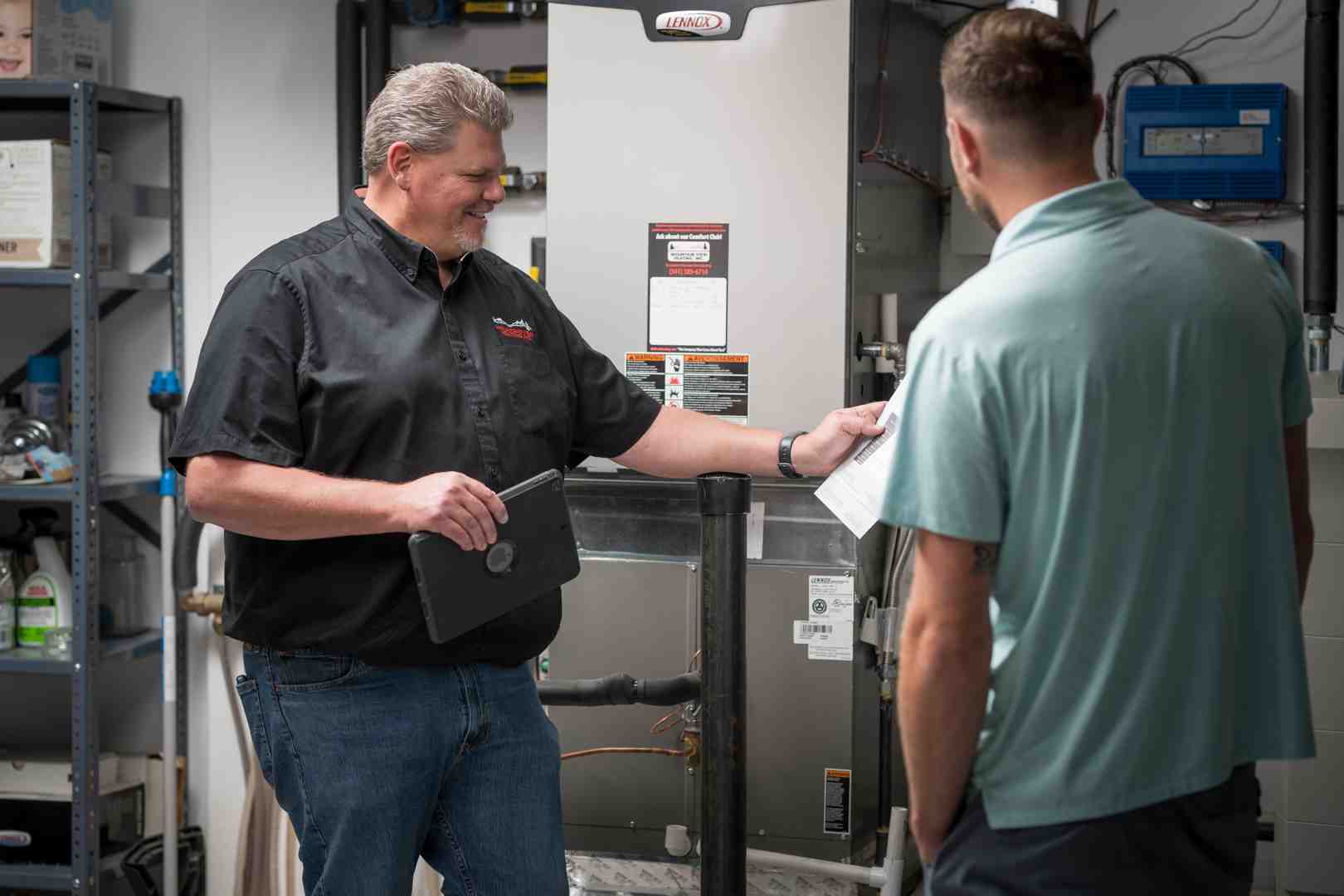
While a dirty filter is the most common reason how dirty filters cause frozen evaporator coils, it isn't the only reason. If you’ve replaced your filter and the ice returns within a day, you likely have a more technical issue that requires a professional touch.
- Low Refrigerant: If your system has a leak, the drop in pressure causes the remaining refrigerant to get much colder than it should, leading to instant icing.
- Dirty Evaporator Coils: Even with a filter, some dust gets through over the years. A layer of grime on the coils themselves acts as insulation, preventing heat absorption.
- Blower Motor Failure: If the fan isn't spinning at the right speed (or at all), no air is moving over the coils.
- Blocked Ductwork: A collapsed duct or a series of closed registers can restrict airflow just as badly as a dirty filter.
During a professional visit, we check all of these components. You can learn exactly what our experts look for in our breakdown of What Does an HVAC Maintenance Visit Include.
Frequently Asked Questions about How Dirty Filters Cause Frozen Evaporator Coils
Can I run my AC if the coils are frozen?
Absolutely not. Running an AC with frozen coils is one of the fastest ways to kill your compressor. Because the refrigerant cannot evaporate properly in the frozen coil, "liquid" refrigerant can slug back to the compressor, which is designed only to handle gas. This can cause permanent, expensive damage. If your system is acting up, consult our AC Service Bend or Complete Guide for next steps.
How long does it take for evaporator coils to thaw?
In most Bend homes, it takes between 4 and 12 hours. If you leave the fan running, it will be on the shorter end of that window. We usually recommend leaving the system off for a full 24 hours just to be absolutely sure all the moisture has drained away before restarting.
When should I call a professional for frozen coils?
You should call us if:
- The ice returns after you've replaced the filter.
- You hear hissing sounds (potential refrigerant leak).
- The system won't start even after the ice has melted.
- You see an oily residue near the refrigerant lines.
For persistent issues, a professional AC Tune Up Bend or is the best way to find the root cause.
Conclusion
At Mountain View Heating, we’ve spent over 40 years helping our neighbors in Bend, Sunriver, and Sisters stay comfortable. We know that a frozen AC on a 90-degree day is more than just an inconvenience—it’s a disruption to your family’s comfort. Understanding how dirty filters cause frozen evaporator coils is the first step in taking control of your home's climate.
Whether you need a quick filter tip or an emergency repair, our team is here for you 24/7 with a commitment to 100% customer satisfaction. Don't let a dusty filter leave you out in the heat this summer. For professional help and peace of mind, schedule your AC Maintenance Bend or with us today!