


Is Your HVAC System Getting the Attention It Needs?
How often should you service your HVAC system depends on your setup, but here's the short answer most homeowners need:
• Central air conditioner — Recommended Service Frequency: Once a year (spring)
• Gas furnace — Recommended Service Frequency: Once a year (fall)
• Heat pump — Recommended Service Frequency: Twice a year (spring and fall)
• Ductless mini-split — Recommended Service Frequency: Once to twice a year
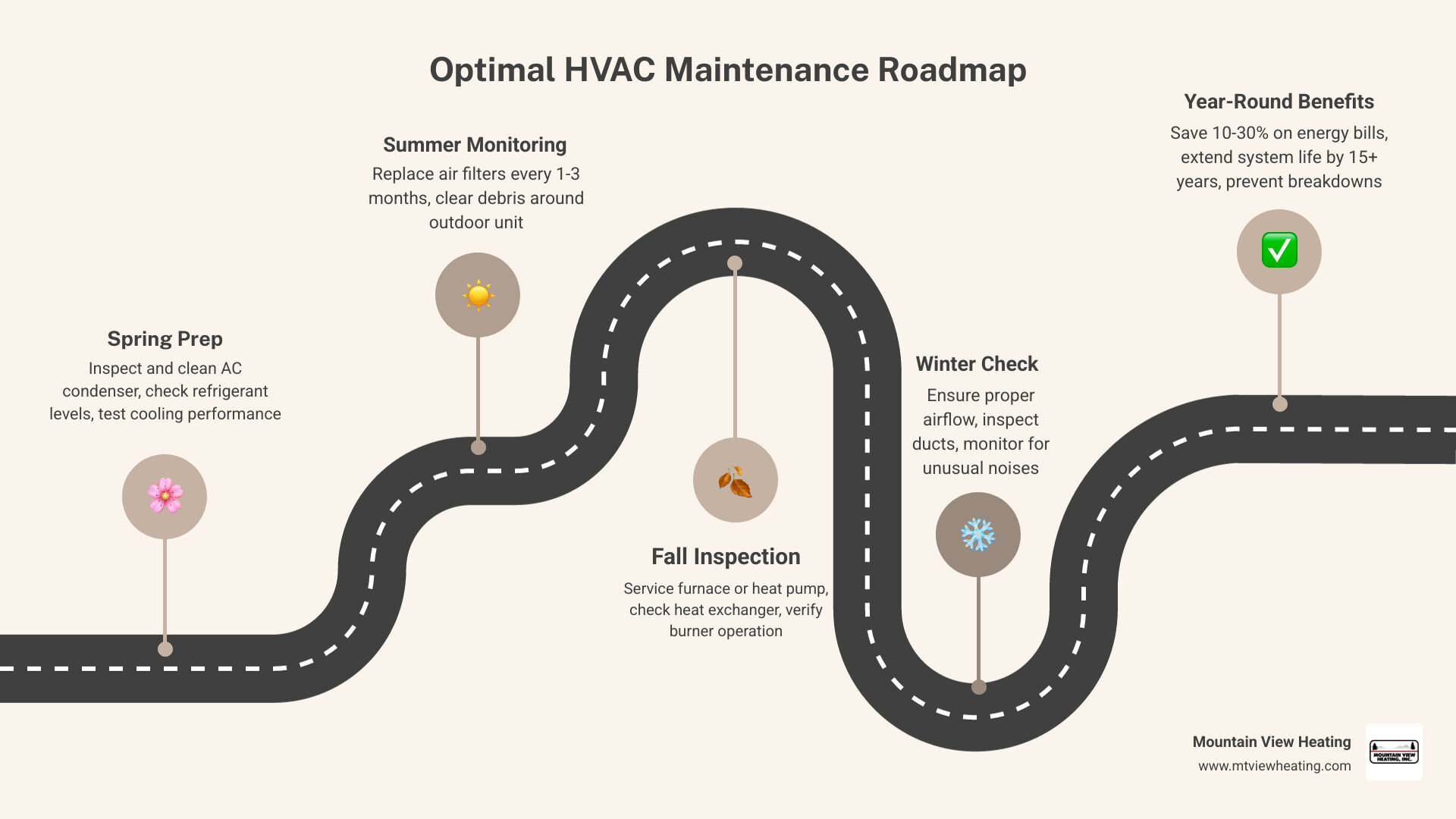
For most homes, twice a year is the gold standard — once in spring before cooling season, and once in fall before heating season kicks in.
Your HVAC system runs hard. In Bend, Oregon, that means pushing through hot, dry summers, cold High Desert winters, and everything in between. Most homeowners only think about their system when something goes wrong — but by then, a small problem has often become an expensive one. A routine tune-up catching a failing part early beats an emergency call by a wide margin. Regular maintenance keeps your system running efficiently, protects your equipment investment, and helps you avoid the stress of a breakdown on the hottest or coldest day of the year.
This guide walks you through exactly how often to schedule service, what affects that schedule, and what Mountain View Heating checks during every visit.
How Often Should You Service Your HVAC System for Peak Performance?
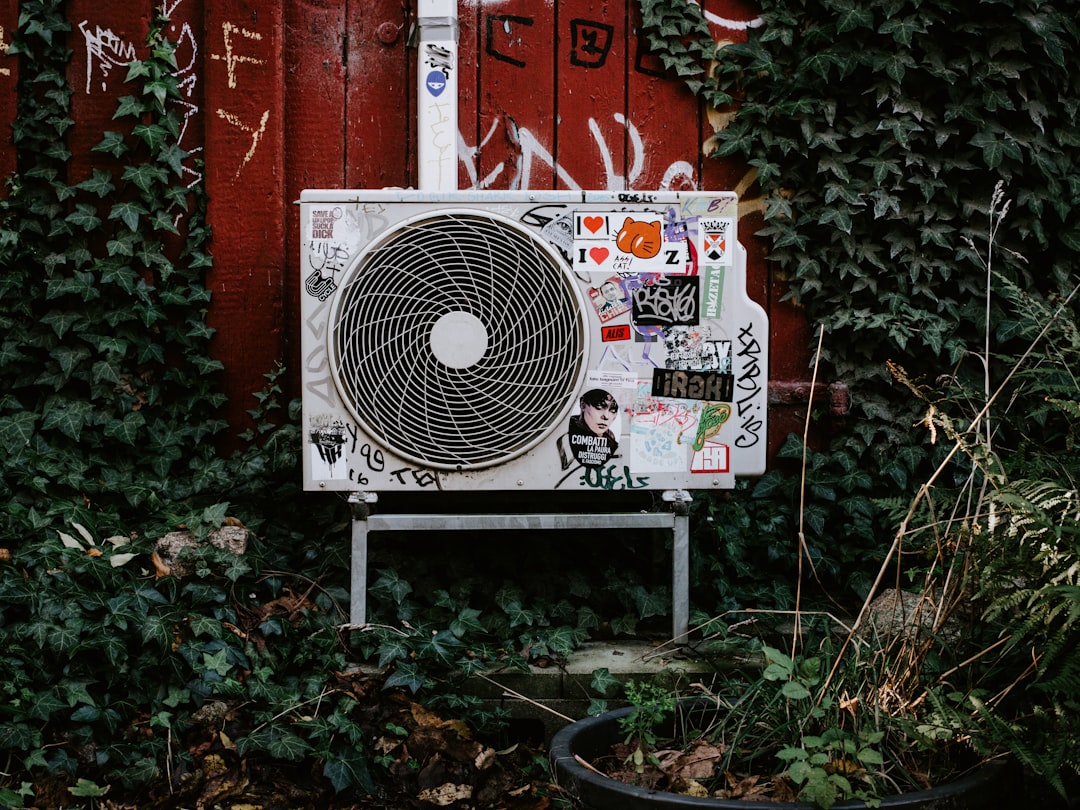
When we talk about "servicing" a system, we aren't just talking about a quick glance. A professional tune-up is a comprehensive deep clean and safety check. While many people ask how often should you service your hvac system, the industry standard is to have each primary component inspected once per year.
If you have a split system—meaning a separate furnace and air conditioner—this translates to two visits annually. We recommend scheduling your air conditioning service in the spring and your furnace service in the fall. This ensures that the specific system you’re about to rely on is clean, safe, and ready for the heavy lifting ahead.
For those using a heat pump, the rules change slightly. Because a heat pump handles both heating and cooling duties, it works year-round without a "vacation." Consequently, heat pumps require professional service every six months to keep up with the constant wear and tear. You can learn more about these specific requirements in our guide on How Often Should You Service Ducted Heating and Air Conditioners.
The importance of seasonal timing
Timing is everything in the High Desert. If you wait until the first 90-degree day in July to find out your AC has a refrigerant leak, you’ll likely be waiting in line behind dozens of other homeowners with the same problem. By scheduling your spring cooling check in March or April, you beat the rush and ensure your home stays comfortable the moment the heat arrives.
The same logic applies to the fall. Before the freezing temperatures hit La Pine or Sunriver, a fall heating safety check ensures your furnace is ready to fire up. This proactive approach helps you avoid emergency service calls during peak demand periods when parts can be harder to source and schedules are packed. Check out our 4 HVAC Maintenance Tips for Homeowners This Spring to get ahead of the curve.
Maintenance for different system types
Every system has its own personality.
• Central Air Conditioners: These require coil cleaning and refrigerant checks to prevent the compressor from overworking.
• Gas Furnaces: Maintenance focuses on safety, specifically inspecting the heat exchanger and ensuring the ignitor is functioning correctly. A technician must verify the electronic ignition system is reliable to ensure consistent performance.
• Ductless Mini-Splits: These systems are incredibly efficient but have sensitive filtration systems that need regular attention to maintain airflow.
Preparing for winter involves a different set of priorities, which you can find in our Pre-Winter Furnace Checklist.
Why Central Oregon Homeowners Benefit from Regular Maintenance
Living in Central Oregon presents unique challenges for HVAC equipment. From the fine volcanic dust in Redmond to the heavy pollen in Sisters, your system is constantly fighting against the elements. Regular maintenance isn't just a "nice to have"—it's a financial strategy.
Statistics show that a well-tuned HVAC system can use 10-30% less energy than a neglected one. Furthermore, systems that receive regular care typically last 15–20 years, whereas neglected units often face a premature death in as little as 10 years. If you’re wondering, "Do I Really Need Furnace Maintenance," the answer lies in the longevity of your investment.
How often should you service your hvac system to lower energy bills?
Efficiency is the first thing to go when maintenance is skipped.
• Dirty Coils: Operating with dirty coils can cause your system to consume 20-30% more energy as it struggles to transfer heat.
• Clogged Filters: A simple clogged filter can raise your energy bills by 5-15% because the blower motor has to work twice as hard to move air.
• Duct Leaks: While not part of a standard tune-up, professional duct sealing can improve heating efficiency by up to 30%.
By keeping your system clean, you ensure that every dollar you spend on utilities is actually going toward your comfort rather than being wasted on mechanical friction and restricted airflow.
Preventing unexpected breakdowns
Did you know that 85% of HVAC repairs are directly related to a lack of proper maintenance? Most emergency calls we receive in Bend involve a component that had been failing slowly for months. A professional technician can spot a weakening capacitor or a fraying belt during a routine visit, replacing it for a fraction of what an emergency repair would cost. For residents looking for reliable HVAC Maintenance Bend OR, staying ahead of these issues is the best way to ensure peace of mind.
Factors That Influence Your HVAC Service Schedule
While the "twice a year" rule is a great baseline, your specific situation might require more frequent attention. Several factors can accelerate the need for service:
1. System Age: Once a system passes the 10-year milestone, parts begin to wear out more predictably. We often suggest more frequent monitoring for older units to prevent total system failure.
2. Usage Intensity: If you work from home and run your system 24/7, it’s going to need more care than a vacation home that sits empty for months.
3. Climate and Environment: Our local High Desert climate is beautiful but harsh. Wildfire smoke, in particular, can clog filters and coat outdoor coils in fine ash in a single weekend. If we've had a bad smoke season, you likely need an extra checkup. Residents can find localized support through HVAC Maintenance Redmond OR.
How often should you service your hvac system if you have pets?
We love our furry friends, but they are tough on HVAC systems. Pet dander and hair are aggressive filter-clogging agents. If you have multiple pets, you should be checking your air filters monthly and potentially scheduling professional cleanings more often to prevent dander from coating the internal sensitive components. This is a common topic for our customers seeking HVAC Maintenance Sisters OR.
Environmental considerations in the High Desert
Dust is a constant companion in places like La Pine and Terrebonne. Because our soil is so fine, it easily bypasses standard filters if they aren't changed regularly. High pollen counts in the spring can also "blanket" your outdoor condenser, acting like insulation that traps heat and forces the system to run longer cycles. For specialized care in these areas, see our HVAC Maintenance La Pine OR page.
What to Expect During a Professional Maintenance Visit
When our technicians arrive at your home in Sunriver or Three Rivers, they follow a rigorous checklist. A professional visit is much more than a "look-see." It involves technical diagnostics that require specialized tools.
• Electrical Inspection: We tighten all wiring connections and measure voltage and amperage on motors. Faulty electrical connections can lead to unsafe operation and shortened component life.
• Ignitor Testing: Modern furnaces rely on electronic ignitors. We test these to ensure they are drawing the correct current to fire up reliably every time.
• Refrigerant Verification: We check levels to ensure there are no leaks. A system low on refrigerant can't cool properly and will eventually burn out the compressor.
• Condensate Drain Cleaning: We clear the lines to prevent water backups, which can cause significant property damage or trigger safety switches that shut your system down.
• Blower Adjustment: We clean and adjust blower components to ensure maximum airflow and quiet operation.
For more details on our local services, visit HVAC Maintenance Sunriver OR.
Safety and performance checks
Safety is our top priority. During a furnace tune-up, we perform a carbon monoxide screening to ensure your home’s air is safe. We also inspect the heat exchanger for any cracks or integrity issues. Finally, we calibrate your thermostat and optimize airflow to ensure that the comfort you’re paying for is actually reaching every room in the house.
Essential DIY Tasks Between Professional Visits
While the technical work should be left to the pros, there are several things you can do to help your system thrive.
• Air Filter Replacement: This is the single most important thing a homeowner can do. Check your filter every 30 days, especially during peak heating/cooling seasons or during wildfire smoke events. Most filters need replacement every 90 days at a minimum.
• Outdoor Unit Clearance: Keep a 2-foot debris-free zone around your outdoor condenser. Trim back sagebrush, remove dead leaves, and ensure no toys or garden tools are leaning against the unit. Restricted airflow here is a leading cause of system overheating.
• Vent and Register Cleaning: Occasionally vacuum your supply and return vents to keep dust from being pulled back into the system.
If you're planning on being away for a while, check out our guide on How to Prepare Your HVAC System for Vacation.
Frequently Asked Questions about HVAC Service Frequency
What are the warning signs that my system needs service immediately?
You don't always have to wait for your scheduled appointment. If you notice any of the following, give us a call right away:
• Unusual Noises: Grinding, screeching, or loud banging.
• Weak Airflow: Vents that barely blow air even when the system is running.
• Strange Odors: Musty smells or "burning" scents (beyond the initial dust-off smell in the fall).
• Frequent Cycling: The system turns on and off every few minutes.
• Sudden Bill Spikes: Your energy usage jumps for no apparent reason.
Does skipping maintenance really void my manufacturer warranty?
Yes, it often does. Most major HVAC manufacturers require documented proof of annual professional maintenance to keep the warranty valid. If a major component like a compressor or heat exchanger fails and you haven't had the system serviced, the manufacturer may deny your claim, leaving you with a massive bill.
How long does a typical professional maintenance visit take?
A thorough residential tune-up generally takes between 60 and 90 minutes. This gives the technician enough time to clean the components, run safety tests, and verify that the system is cycling correctly. Older systems or those that haven't been serviced in years may take a bit longer to clean properly.
Conclusion
At Mountain View Heating, we’ve spent over 40 years keeping our neighbors in Bend, Redmond, Sisters, and the surrounding communities comfortable. We know the High Desert climate, and we know what it takes to keep a residential HVAC system running at peak performance. Our priority is 100% customer satisfaction, and we back that up with 24/7 emergency support when you need us most.
Don't wait for your system to fail before giving it the attention it deserves. Protect your home with a professional maintenance plan and enjoy the peace of mind that comes with a reliable, efficient home comfort system.