





Mini Split Replacement in La Pine, OR
Reliable mini split Replacement in La Pine, OR from Mountain View Heating, Inc. Upgrade to long-lasting, energy-efficient comfort. Request estimate today!

Mini Split Replacement in La Pine, OR
Upgrading a failing or aging mini-split in La Pine, OR is about more than restoring comfort — it’s about improving year-round efficiency, indoor air quality, and reliability in a climate that swings from cold, snowy winters to warm, dry summers. Whether you’re weighing replacement of a single indoor head or an entire ductless system, Mountain View Heating, Inc. helps homeowners make informed choices by explaining the key factors to consider, the replacement process, proper disposal of old equipment, and potential incentives that can meaningfully lower long-term operating costs.
Why consider mini split replacement in La Pine, OR
La Pine homes face distinct challenges: cold winter lows that demand dependable heat, summer heat that benefits from efficient cooling, and seasonal dust and wildfire smoke that stress filtration and indoor air quality. Older mini-splits often lose capacity, use outdated refrigerants, or suffer from worn compressors and electronics. Replacing units at the right time can:
- Restore comfortable temperatures and consistent performance
- Cut energy bills with modern high-efficiency models
- Improve indoor air quality with upgraded filters and ventilation options
- Reduce the risk of mid-winter or summer failure in remote or vacation properties
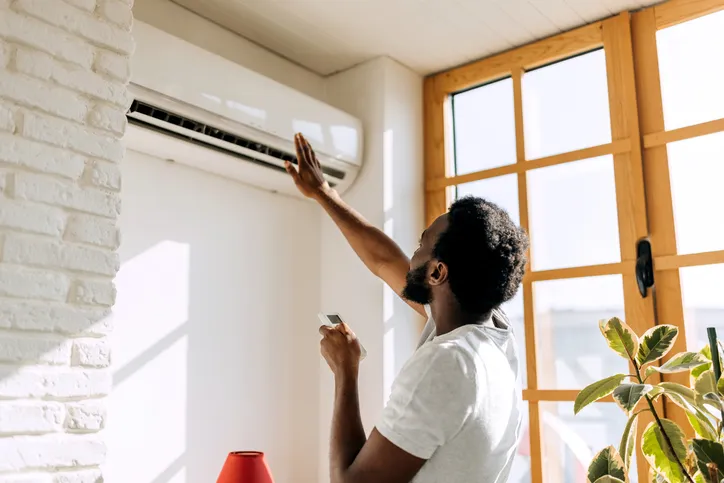
Common mini split replacement issues in La Pine OR
Homeowners typically look to replace mini-splits for these reasons:
- Frequent breakdowns or compressor failure after 8-12+ years
- Loss of cooling or heating capacity, longer run times, or uneven comfort
- Refrigerant type concerns (very old systems using R-22) making repairs costly
- Noisy operation, failing electronics, or leak-prone coils
- Desire for better efficiency, multi-zone control, or smart thermostat integration
- Indoor units failing while the outdoor condenser is still serviceable
Replace one indoor head or replace the entire system?
Deciding whether to replace a single indoor head or the whole system depends on several practical and performance factors:
- Age and condition of the outdoor unit: If the outdoor condenser is under 10 years old, in good condition, and matches the capacity of the new indoor head, replacing just the head can be a cost-effective option.
- Refrigerant compatibility: New indoor units may not be compatible with older refrigerants or non-inverter outdoor compressors. Systems originally charged with R-22 often require full replacement because R-22 is phased out and repairs become prohibitively expensive.
- Efficiency and lifespan: If indoor heads are newer but the outdoor unit is inefficient or failing, full-system replacement provides better long-term savings and improved performance.
- Zoning and capacity needs: If you need to add zones or change heat output, a new multi-zone system might be the right move rather than piecemeal indoor head swaps.
- Warranty and future serviceability: New matched systems come with comprehensive warranties and fewer compatibility headaches.
Benefits of newer high-efficiency mini-splits
Modern ductless models offer tangible advantages for La Pine homes:
- Higher efficiency (SEER2 and HSPF2 improvements) and inverter-driven compressors that modulate speed to match load, saving energy and reducing wear
- Better low-temperature performance for reliable heat in winter
- Quieter operation and improved humidity control during summer
- Advanced filters and IAQ features—helpful during wildfire season and dusty periods
- Smart controls and zoning for precise room-by-room comfort and lower operating costs
Typical replacement process (what to expect)
A professional replacement follows a clear sequence to ensure safe, code-compliant performance:
- Assessment and load check: Evaluate the home's heat/cool load, the condition of existing components, and refrigerant type.
- Equipment selection: Match a unit based on capacity, efficiency goals, and zoning needs (single-zone vs multi-zone).
- Electrical and mounting prep: Verify breaker capacity, run new wiring if needed, and prepare wall or pad mounts.
- Refrigerant recovery and removal: Safely recover refrigerant from the old unit (EPA-certified procedure) before removal.
- Installation: Mount new indoor head(s), install and vacuum the refrigerant lines, connect the outdoor unit, and seal penetrations.
- Commissioning: Charge to manufacturer specs, test operation in heating and cooling modes, and adjust controls for optimal performance.
- Documentation: Provide equipment specs and maintenance recommendations for future service.
Responsible disposal of old mini-splits
Disposal of old HVAC equipment must follow regulations and environmental best practices:
- Refrigerant recovery: Certified technicians must recover refrigerant to prevent ozone and greenhouse gas release.
- Recycling: Metal, copper, and electronic components should be recycled through approved facilities.
- Local regulations: Disposal options and recycling centers in Central Oregon may vary; proper decommissioning protects the environment and avoids fines.
Potential incentives and rebates
Replacing older systems may qualify you for incentives that improve your payback:
- Federal tax credits and energy-efficiency incentives for qualifying heat pump installations have been available in recent years.
- State or local programs in Oregon and utility-specific rebates may apply for high-efficiency heat pumps or ductless mini-splits.
- Manufacturer or retailer promotions can occasionally offset part of replacement costs.
Eligibility depends on the product, installation details, and timing. Homeowners should confirm current programs through their utility provider or state energy office when planning a replacement.
Maintenance and long-term value
A properly selected and professionally installed mini-split delivers dependable comfort and lower operating costs. To protect your investment:
- Replace or clean filters regularly, and schedule annual professional tune-ups to check refrigerant, electrical connections, and coils.
- For La Pine homes, pay extra attention during wildfire season and after dusty periods to maintain indoor air quality and prevent clogging.
- Consider a backup or supplemental heat source in homes with severe winter exposure or where occupants rely on a single heating source.
Replacing a mini-split is a decision that balances upfront cost, long-term energy savings, and reliable comfort. For La Pine homeowners facing failing equipment or seeking upgraded efficiency and better indoor air quality, evaluating system age, refrigerant type, and local climate demands will guide whether a single-head swap or full-system replacement is the right solution.
Ready to Upgrade Your Comfort? Contact Mountain View Heating, Inc. Today!
When it’s time to replace your mini-split system in La Pine, trust the experienced professionals at Mountain View Heating, Inc. to guide you through every step—from evaluation to installation. Our team ensures seamless system performance, long-term reliability, and energy savings tailored to Central Oregon’s unique climate. Learn more about our financing options to make your upgrade more affordable, or contact us today to schedule your mini-split replacement consultation. Experience superior comfort, efficiency, and peace of mind—powered by local expertise you can trust.