





HVAC Repair in La Pine, OR
When heating or cooling stops working reliably in La Pine, OR, the result is immediate discomfort and potential risk to your home’s systems. La Pine’s high-desert climate — cold, snowy winters, warm dry summers, and seasonal wildfire smoke — places specific demands on HVAC equipment. At Mountain View Heating, Inc., HVAC repair in La Pine, OR focuses on restoring safe, efficient operation of furnaces, heat pumps, air conditioners, and duct systems while addressing the environmental stresses unique to this region.
Why timely HVAC repair matters in La Pine
- Cold snaps and overnight temperature drops put heavy load on furnaces and heat pumps, increasing the chance of breakdowns.
- Dust and ash from nearby forests or wildfire events can clog filters and coils, reducing airflow and efficiency.
- Freeze-thaw cycles and low humidity affect condensate lines and can cause sensor or control failures.
Prompt, accurate repairs reduce energy waste, prevent secondary damage (like frozen condensate drains or cracked heat exchangers), and extend equipment life.
Common HVAC repair issues in La Pine homes
Understanding typical failure modes helps homeowners make informed decisions when choosing repairs.
- Electrical failures and control board problems
- Symptoms: intermittent operation, unit won’t start, breakers tripping.
- Causes: age, moisture intrusion, rodent damage, voltage fluctuations.
- Refrigerant leaks (AC and heat pump systems)
- Symptoms: reduced cooling, longer run times, ice on coils.
- Causes: corrosion, vibration wear, failed fittings or valves.
- Airflow problems
- Symptoms: weak vents, uneven temperatures, high energy bills.
- Causes: clogged filters (common with local dust/ash), blocked ducts, failing blower motor.
- Ignition and combustion issues (furnaces)
- Symptoms: furnace cycles without heating, unusual odors, pilot/ignition faults.
- Causes: dirty burners, faulty igniters, gas valve or pressure issues (combustion components require careful handling).
- Thermostat and control malfunctions
- Symptoms: system not responding to setpoints, inconsistent temperatures.
- Causes: wiring issues, sensor drift, failed Wi-Fi modules (for smart thermostats).
- Mechanical wear (motors, bearings, belts)
- Symptoms: loud noises, vibrations, loss of performance.
- Causes: age, lack of lubrication, heavy cycling during extreme weather.
- Drainage and condensate issues
- Symptoms: water leaks, water alarms, freeze-ups.
- Causes: blocked condensate lines, frozen traps during cold snaps.
How diagnostics are performed (what to expect)
A thorough diagnostic approach separates quick fixes from necessary repairs and replacements.
- System history review
- Assessment starts with past maintenance, age of equipment, and recent symptoms.
- Safety and visual inspection
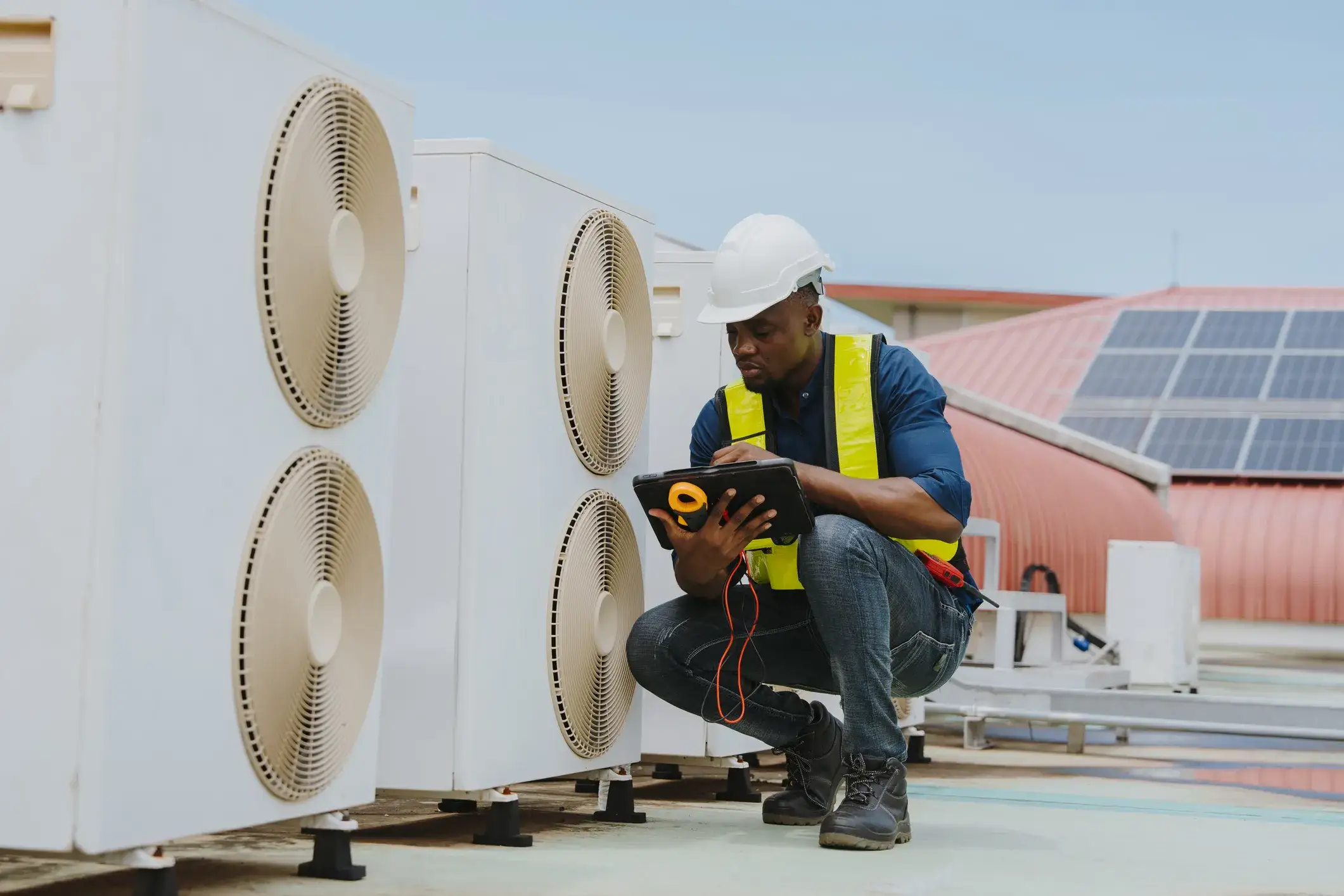
- Technicians check electrical panels, filters, visible ductwork, condensate lines, and outdoor units for debris or damage.
- Operational testing
- Systems are run to replicate issues while measuring temperatures, pressures, airflow, and electrical load.
- Component-level checks
- Controllers, capacitors, motors, heat exchangers, refrigerant charge, and ignition systems are evaluated with specialized tools.
- Diagnosis report
- Findings are compiled into clear options: repair parts, recommended maintenance, or replacement if the system is unsafe or inefficient.
This method ensures repairs target root causes rather than temporary symptoms common in "do-it-yourself" attempts.
Typical repair timelines and what affects them
- Same-day fixes (2–4 hours): Filter replacements, thermostat resets, minor electrical repairs, simple blower or igniter swaps.
- Standard repairs (4–8 hours): Motor replacements, capacitor or control board swaps, refrigerant recharge if leak is found and sealed.
- Complex repairs (1–2 days): Refrigerant leak location and repair, heat exchanger replacement, extensive duct repairs, or multi-component failures.
- Emergency response (hours depending on availability): Systems that pose safety risks (gas leaks, no heat during freezing conditions) require expedited attention.
Timeline depends on parts availability, system age, severity of damage, and access to the unit (attic, crawlspace, or outdoor conditions during snow).
Parts replacement policies and reliability considerations
- OEM vs aftermarket parts
- OEM parts typically match original performance and maintain manufacturer warranties. Aftermarket parts can be cost-effective but vary in quality.
- When to repair vs replace
- Repair is preferred for isolated component failures on newer systems. Replacement is often more cost-effective when multiple major components fail, the unit is past expected service life, or efficiency and safety are compromised.
- Warranty and documentation
- Reliable repairs include documentation of parts replaced, serial numbers, and any applicable warranties. Ask for clear details on part warranty length and labor coverage.
- Quality and compatibility
- Proper matching of blower motors, compressors, and control boards ensures long-term reliability in La Pine’s variable climate.
Emergency repair options and expectations
Emergency HVAC repair in La Pine addresses urgent failures that risk safety or critical comfort. Emergency diagnoses prioritize:
- Gas odor or suspected carbon monoxide risks
- Total loss of heating during freezing weather
- Major refrigerant leaks or compressor failures that could damage equipment
- Flooding from condensate backups
Emergency response involves securing the area, isolating hazards (shutting gas or power if needed), temporary measures to restore safe operation, and planning for permanent repair or replacement. Response times vary with weather and part needs.
What to expect when scheduling and during service
Scheduling typically includes an appointment window and an initial diagnostic visit. During service:
- The technician will explain findings in plain language and outline repair options with estimated timelines.
- You should receive a written scope of work for agreed repairs, including parts and labor descriptions.
- For larger repairs, an on-site estimate and follow-up appointment may be required.
- After repair, systems are tested under normal operating conditions and technicians often provide maintenance tips specific to La Pine (filter recommendations, season-specific checks).
Keeping systems reliable in La Pine
- Replace filters more frequently during dusty or smoky seasons.
- Schedule seasonal tune-ups: furnace inspections in fall and AC/heat pump service in spring.
- Insulate and weather-strip to reduce load on HVAC systems during cold nights.
- Consider IAQ upgrades (air purifiers, whole-home humidifiers) especially during wildfire smoke periods to protect indoor air quality.
Careful diagnostics, parts integrity, and attention to La Pine’s climate-related stresses are key to long-term comfort and efficiency. Properly executed HVAC repair restores safe operation, reduces recurring problems, and protects the investment in your home’s heating and cooling systems.
Restore Comfort and Confidence with Mountain View Heating, Inc.
When your HVAC system falters, trust the experts at Mountain View Heating, Inc. to bring back comfort, safety, and reliability to your La Pine home. Our team provides fast, professional HVAC repair tailored to Central Oregon’s demanding climate — from winter furnace failures to summer AC breakdowns. We’re more than just repair specialists — we’re your year-round comfort partners. Learn more about us, contact us to schedule expert service, or explore flexible financing options to make essential repairs and upgrades more affordable.