






HVAC Installation in La Pine, OR
Installing a new HVAC system is one of the most important home investments you will make, especially in La Pine where elevation, cold winters, and dry air create unique comfort needs. This page from Mountain View Heating, Inc. explains what to expect from a professional HVAC Installation in La Pine, OR — from the first consultation and load calculations to equipment recommendations, permitting, installation steps, and post-installation testing and orientation. The goal is to give you the clear, practical information needed to make a confident decision.
Why a proper installation matters in La Pine
La Pine homes face wide temperature swings, long heating seasons, and low relative humidity. A correctly sized and installed system reduces fuel use, avoids short-cycling in cold weather, improves indoor air quality, and prevents premature equipment failure. Common HVAC installation issues in La Pine include improperly sized heat pumps or furnaces, undersized ducts in older homes, and inadequate humidification for dry winter air. Addressing these at installation time saves money and keeps your home comfortable through the seasons.
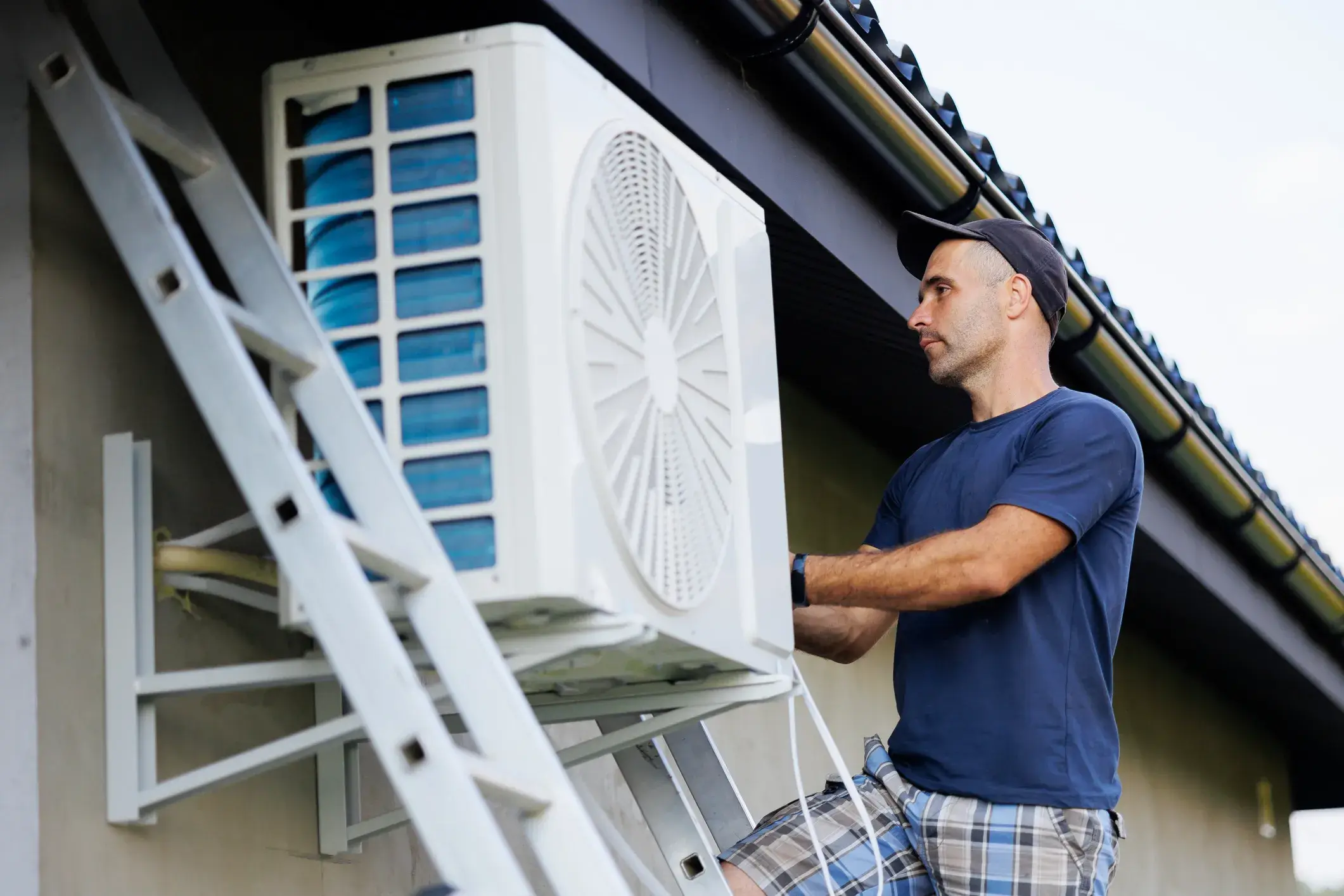
Common HVAC installation scenarios in La Pine
- Replacing an aging gas furnace with a high-efficiency furnace or cold-climate heat pump
- Installing a new central air conditioner and upgrading ductwork for balanced cooling
- Converting from electric baseboard heat to a ducted or ductless heat pump system
- Adding ductless mini-splits to remodel areas, cabins, or additions where running ducts is impractical
- Whole-house installations including IAQ upgrades such as humidifiers and air purifiers
Initial consultation and load calculations
A professional installation begins with an on-site consultation and a Manual J load calculation, not a rule-of-thumb sizing. The load calculation accounts for:
- Home square footage, insulation, windows, and orientation
- Local climate factors like elevation and typical winter lows in La Pine
- Occupancy patterns and specific comfort preferences
Correct sizing prevents oversizing that wastes energy and undersizing that leaves you cold on subzero nights. The consultation should also review existing ductwork, vent locations, and any attic or crawlspace access issues.
Equipment recommendations and efficiency ratings
Your installer should recommend equipment based on the load calculation, home layout, and budget. Typical options for La Pine include:
- High-efficiency gas furnaces with AFUE ratings of 95% and higher for homes relying on natural gas
- Cold-climate heat pumps and hybrid systems that maintain capacity at low temperatures (look to manufacturers like Mitsubishi, Daikin, and Fujitsu for proven cold-climate performance)
- Central air conditioners and packaged systems with SEER ratings appropriate for the home; modern systems commonly achieve SEER 16 and above
- Ductless mini-splits for zone control and addition retrofit flexibility (brands: Mitsubishi, Daikin, Bosch)
- Reliable, budget-friendly brands such as Trane, Carrier, Rheem, and American Standard for many residential applications
Efficiency metrics to consider:
- AFUE for furnaces (higher is better for heating efficiency)
- SEER and SEER2 for cooling efficiency
- HSPF or COP for heat pump heating performance
- ENERGY STAR certification where applicable
Also consider indoor air quality components: whole-house humidifiers are valuable in La Pine winters, and high-efficiency filters or ECM air handlers improve IAQ without excessive energy penalty.
Site preparation and ductwork considerations
Proper site preparation avoids surprises on installation day:
- Verify clear access for equipment and ventilation terminations
- Confirm electrical service capacity and gas line sizing if applicable
- Inspect and, if needed, plan for duct sealing and modification; leaky or poorly insulated ducts are a major source of heat loss in Central Oregon homes
- Evaluate condensate drainage locations and make routing plans to prevent freeze issues in winter
If adding new ducts, expect planning for insulation, return air location, and balancing dampers. For historic or tight-crawlspace homes, ductless options or mini-duct systems may be the better choice.
Typical installation steps
- Final site measurement and equipment staging
- Disconnect and safe removal of old equipment, including proper disposal
- Install condensate drains, flue venting or refrigerant lines, and electrical connections per code
- Set new equipment, secure mounting, and connect to existing or new ductwork
- Evacuate and charge refrigerant systems to manufacturer specification when installing heat pumps or AC
- Insulate and seal duct connections, install filters, and configure airflow components
- Initial system startup and performance verification
Installations in La Pine often include attention to freeze protection for outdoor lines and ensuring venting meets local winter conditions.
Permitting and code compliance
Permits and inspections are required for most HVAC installations in La Pine and Deschutes County. A professional installer will:
- Pull the required permits with the local building department
- Follow Oregon Residential Specialty Code and local amendments for venting, combustion air, and appliance clearances
- Ensure electrical work meets the Oregon Electrical Specialty Code and that gas hookups follow approved practices
- Coordinate final inspections so the system is code-compliant and documented for warranties and future resale
Inspections typically cover combustion safety for gas appliances, proper refrigerant handling, and correct venting and clearances.
Post-installation testing and customer orientation
A thorough handoff includes measurable testing and homeowner education:
- Verify proper refrigerant charge, airflow, and static pressures
- Measure supply and return temperatures and confirm the system meets calculated capacity
- Test safety controls, CO detectors for combustion systems, and thermostat operation
- Balance airflow across zones and explain thermostat programming for energy savings and comfort
- Walk through routine maintenance requirements: filter replacement schedule, annual service checks, and what to monitor between visits
- Provide documentation: equipment manuals, warranty information, and a summary of installation settings
Homeowners should receive a clear explanation of how to operate the system during extreme cold, how the humidifier integrates, and how to manage zoning or dampers if installed.
Benefits of doing it right and maintenance tips
A correct HVAC Installation La Pine Or, OR delivers:
- Consistent comfort during long heating seasons
- Lower energy bills from properly sized and tuned equipment
- Fewer breakdowns and longer equipment life
- Better indoor air quality and reduced dust with proper filtration and humidification
Maintenance tips for La Pine homeowners:
- Replace or clean filters every 1 to 3 months depending on filter type and occupancy
- Schedule annual heating system tune-ups before winter and AC checks before summer
- Keep outdoor coils clear of debris and ensure condensate drains are open before freezing temperatures
- Consider programmable or smart thermostats to reduce runtime during away periods
A professional installation paired with routine maintenance ensures the system performs efficiently year after year.
Your Comfort Starts Here — Schedule Your HVAC Installation with Mountain View Heating, Inc.
At Mountain View Heating, Inc., we’re more than just HVAC installers — we’re your local comfort experts serving La Pine and Central Oregon with decades of experience. Whether you’re upgrading to a high-efficiency system or need guidance on the best setup for your home, our team ensures precision, performance, and peace of mind from consultation to final walkthrough.
Ready to take the next step toward reliable year-round comfort? Contact us today to schedule your HVAC installation or request a free consultation. Looking for payment flexibility? Explore our financing options to make your investment more affordable and convenient.