






Air Purification in La Pine, OR
When you’re dealing with dusty air, lingering odors, allergy symptoms, or indoor air that never feels fresh in La Pine, OR, it’s time to get the problem handled correctly. Mountain View Heating is known for honest pricing, dependable service, and trusted technicians, using a targeted inspection to identify air quality concerns, eliminate the problem, and help keep the issue from coming back with the right purification approach. Air quality problems can affect daily comfort in a quiet but constant way, and we move quickly to improve the air you breathe.
Why Air Purification Matters in La Pine, OR
- Wildfire smoke and elevated PM2.5 during summer and late summer make particle capture a priority.
- Wood heating and fireplaces common in Central Oregon produce fine soot and odors that settle in living spaces.
- Dry, dusty winters and spring pollen mean allergy triggers are seasonal but persistent.
- Older homes with leaky ducts can draw outdoor pollutants into living spaces.
Addressing these issues with the right mix of whole-home and portable systems improves sleep, reduces allergy and asthma symptoms, and helps HVAC equipment run more efficiently.
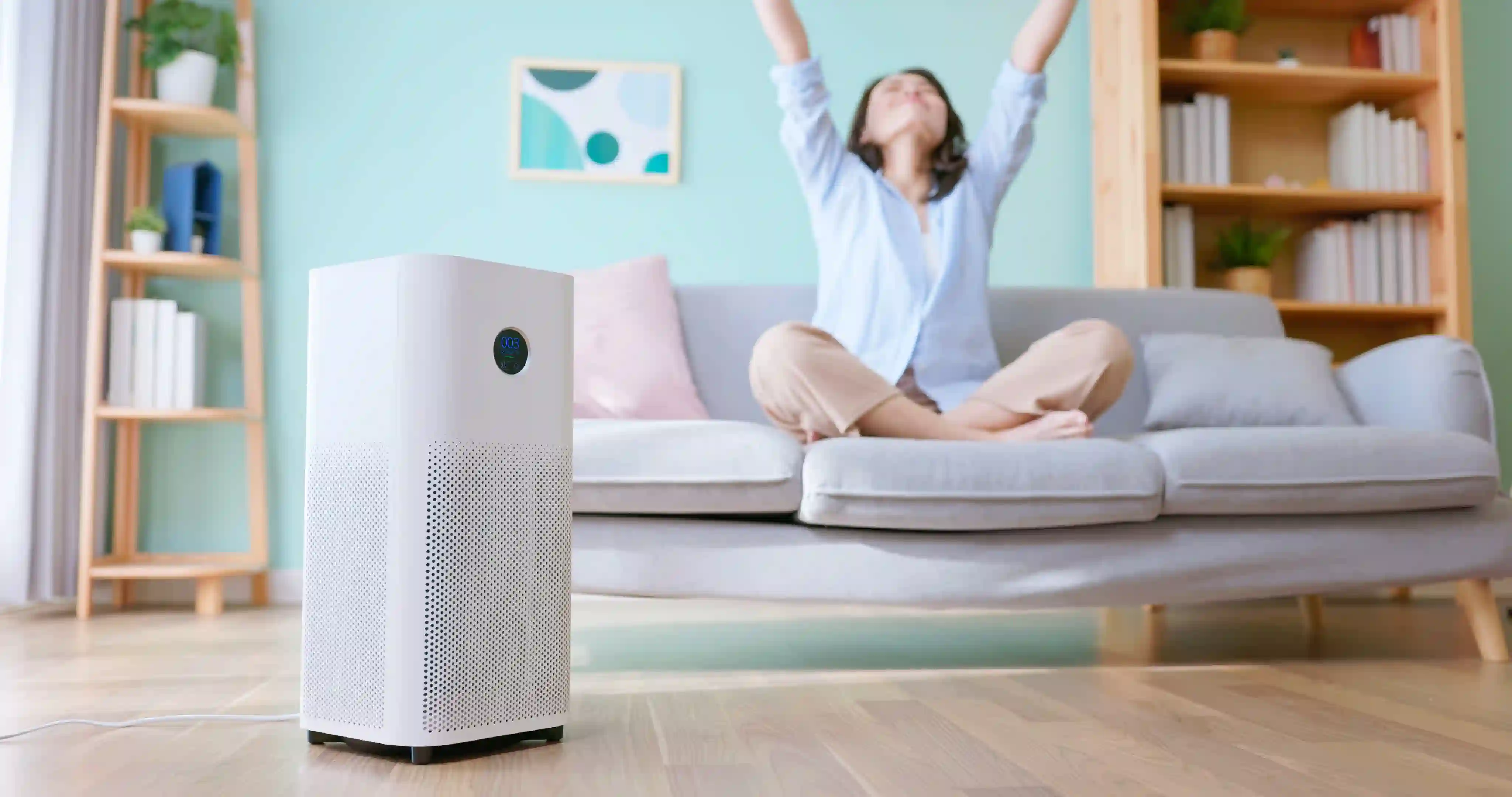
Common Air Purification Options and What They Do
- HEPA filtration: Excellent for particulate removal (dust, pollen, pet dander, smoke particulates down to 0.3 microns). Best used in portable units for rooms or in whole-home setups designed to handle HEPA pressure drop.
- Activated carbon: Removes gases, volatile organic compounds (VOCs), and odors from wood smoke and household chemicals. Often combined with HEPA in portable units or installed as a dedicated canister in-duct.
- Ultraviolet (UV-C) lights: Target biological contaminants on coils and in the air stream, reducing mold and microbial growth on the HVAC coil and drain pan; limited direct effect on particulates.
- Electronic air cleaners (electrostatic precipitators / ionizers): Can be effective at particle removal but some models produce ozone; choose certified low-ozone units and rely on professional sizing and installation.
Typical La Pine Scenarios and Recommended Approaches
- Wildfire smoke event: Use high-efficiency HEPA filtration plus activated carbon to remove particles and odors. Portable HEPA purifiers with sufficient CADR in bedrooms and living areas deliver fast results. If frequent smoke is a concern, install a whole-home solution sized for your house to filter central air continuously.
- Wood stove or fireplace odors/smoke: Combine a higher-MERV or HEPA-grade whole-home filter at the return with activated carbon canisters near living areas. Regular HVAC filter checks are critical; soot can quickly clog filters.
- Allergies and seasonal pollen: A HEPA-grade portable in bedrooms and a MERV 11 to MERV 13 whole-home filter help reduce symptoms. Ensure bedroom units are sized for the room for effective air changes.
- Mold or moisture issues: UV lights at the air handler reduce microbial growth on coils and improve system hygiene. Address duct leaks and humidity control alongside UV.
Sizing and Placement Basics
- Whole-home systems: Filter should be installed at the return plenum or inside the air handler with professional assessment of blower capacity and pressure drop. Many homes can handle MERV 11-13; HEPA in-duct often requires a dedicated bypass or upgraded blower.
- Portable/point-of-use units: Choose units with a CADR appropriate to room volume. Use this rule of thumb: CADR (cfm) = Room Volume (ft3) x Desired Air Changes per Hour (ACH) / 60. For example, a 12 ft x 12 ft bedroom with 8 ft ceilings is 1,152 ft3; achieving 5 ACH requires CADR = 1,152 x 5 / 60 = 96 cfm. For heavy smoke, aim for 4 to 6 ACH.
- Placement tips:
- Whole-home filters: at return(s) and close to the air handler for full-house circulation.
- Portable units: centrally located in the room, clear of walls and obstructions, and in sleeping areas overnight.
- UV lights: mounted at the coil or inside the air handler where they can irradiate the coil surface and drain pan.
Installation Considerations
- Evaluate HVAC Compatibility: High-MERV or HEPA filters increase static pressure. Older furnaces and air handlers may need a variable-speed blower or an inline fan to maintain airflow. Professional sizing ensures filtration without compromising system performance.
- Ductwork: Leaky or dirty ducts reduce purifier effectiveness. Combine filtration upgrades with duct sealing and cleaning for best results.
- Safety and code: UV installations and electronic cleaners should meet safety specifications. Avoid ozone-producing devices; look for low-ozone certifications on electronic cleaners.
- Whole-home HEPA often requires a custom solution: either a sealed HEPA housing with a dedicated fan or an air handler upgrade to accommodate HEPA pressure loss.
Maintenance Needs and Expected Lifecycles
- Pre-filters: Inspect monthly; replace or wash as recommended (often every 1 to 3 months).
- HEPA filters (portable): Typically 6 to 12 months depending on use and smoke exposure. Whole-home HEPA filter elements may last 6 to 12 months and depend on HVAC runtime and local particulate load.
- Activated carbon: Replace every 3 to 6 months during frequent smoke or odor events; less often for light use.
- UV lamps: Replace annually for consistent germicidal output. Clean lamp sleeves periodically.
- Electronic cleaners: Follow manufacturer maintenance for collector plates and check for ozone emissions.
- Annual professional inspection: Have the HVAC system, filters, and any integrated purification devices checked yearly to confirm airflow, seal integrity, and performance.
Integration with HVAC Systems
- Best practice is to view purification as part of an overall indoor air quality strategy: filtration, ventilation, and humidity control.
- MERV 11-13 whole-home filters are a practical balance for many La Pine homes; they capture most allergy triggers and some smoke without excessive airflow loss.
- For homes with frequent smoke exposure, consider a dedicated whole-home filtration module with carbon and HEPA stages plus a sealed housing and supplemental fan.
- ERV/HRV systems can supply filtered fresh air while maintaining energy efficiency; ensure their intake has proper filtration during smoke events.
- Variable-speed blowers improve filtration performance by allowing longer run times at lower energy cost, increasing air exchanges through filters.
Realistic Expectations and Benefits
- Properly sized HEPA and carbon systems substantially reduce particulate matter, smoke odor, pollen, pet dander, and many VOCs. They reduce allergy symptoms, lower asthma triggers, and can extend HVAC life by keeping coils and ducts cleaner.
- No system removes 100 percent of all contaminants instantly. Gases require carbon-type sorbents, microbes are best controlled with a combination of filtration and UV, and source control (reducing indoor emissions) is still crucial.
- Investing in whole-home filtration plus targeted portable units in sleeping areas delivers the best balance of continuous protection and room-level performance during smoke episodes.
Choosing the Right System for your La Pine Home
Use this checklist to decide:
- What is your primary concern? (smoke, allergies, odors, mold)
- How often do you experience smoke or high pollen?
- Do you want whole-home coverage or targeted room purifiers?
- Is your HVAC system newer with a variable-speed blower, or older with limited airflow capacity?
- Are you prepared for routine filter and carbon replacements?
Final Recommendation Summary: For La Pine homes dealing with seasonal smoke and wood stove emissions, combine a whole-home MERV 11-13 filtration strategy with room HEPA purifiers that include activated carbon for peak smoke events, add UV at the air handler if mold is a concern, and schedule annual HVAC inspections to keep systems performing efficiently.
Breathe Cleaner, Healthier Air in La Pine
Protect your family and your home from La Pine’s seasonal air challenges with professional air purification solutions from Mountain View Heating, Inc. Whether you’re battling wildfire smoke, wood stove emissions, or allergy-inducing pollen, our tailored whole-home and room-based purification systems ensure fresh, breathable air year-round. From HEPA filtration to UV and activated carbon options, we’ll design and install a system that fits your space, lifestyle, and budget.
Call Mountain View Heating, Inc. today to schedule your air purification consultation and start breathing easier in every season!