


Is It Time to Replace Your AC Unit? Here's How to Know
When should you replace your AC unit is one of the most common questions homeowners face — especially as Central Oregon summers get warmer and your system starts showing its age. The short answer: if your air conditioner is 10–15 years old, breaking down repeatedly, or driving up your energy bills, it's likely time to start planning a replacement.
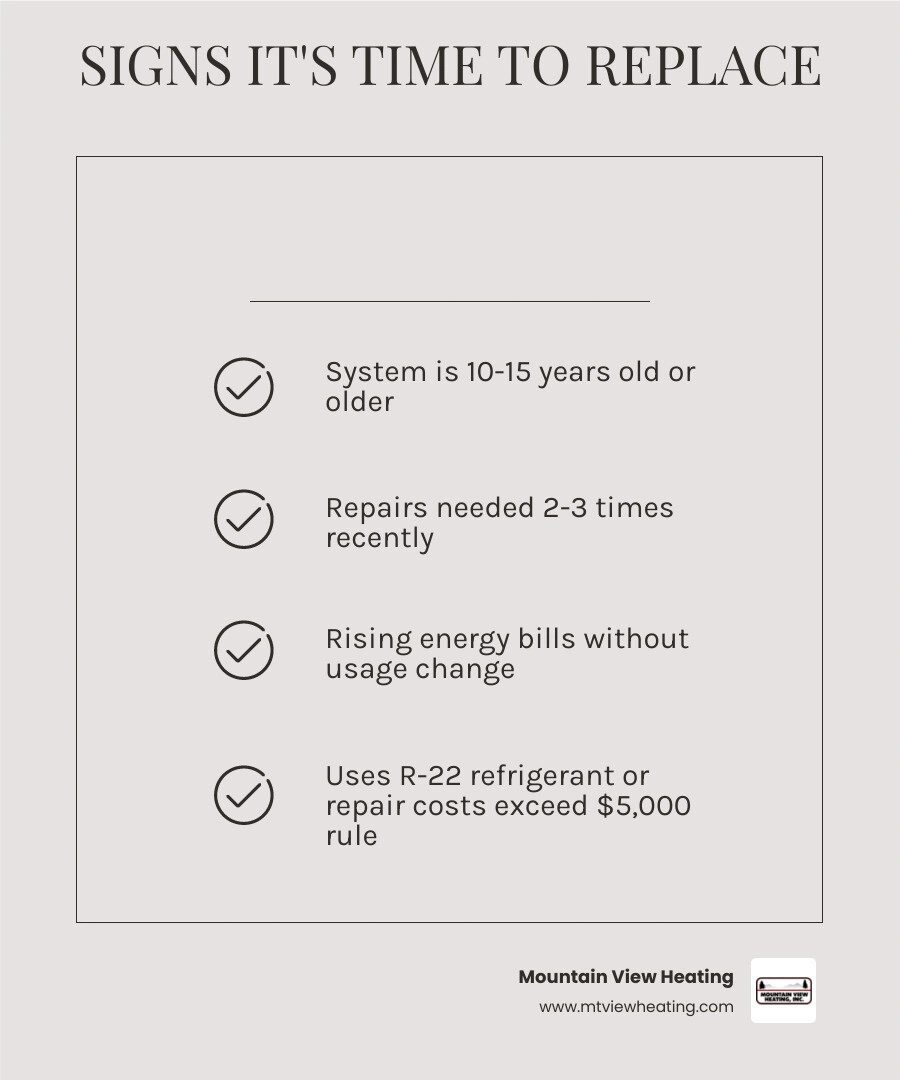
Quick answer — replace your AC unit if any of these apply:
- Your system is 10–15 years old (or older)
- You've needed repairs 2–3 times in the past few years
- Your energy bills have risen noticeably without a change in usage
- Your home has uneven cooling or humidity problems
- Your unit uses R-22 (Freon) refrigerant, which is no longer produced
- The system requires frequent, major repairs to stay operational
For Bend, Oregon homeowners, proactive planning matters. Waiting until your system fails on the hottest week of summer means rushed decisions, potential delays, and emergency service hassles. Knowing the warning signs ahead of time puts you in control — and helps you replace your system on your terms, not your AC's.
When Should You Replace Your AC Unit?
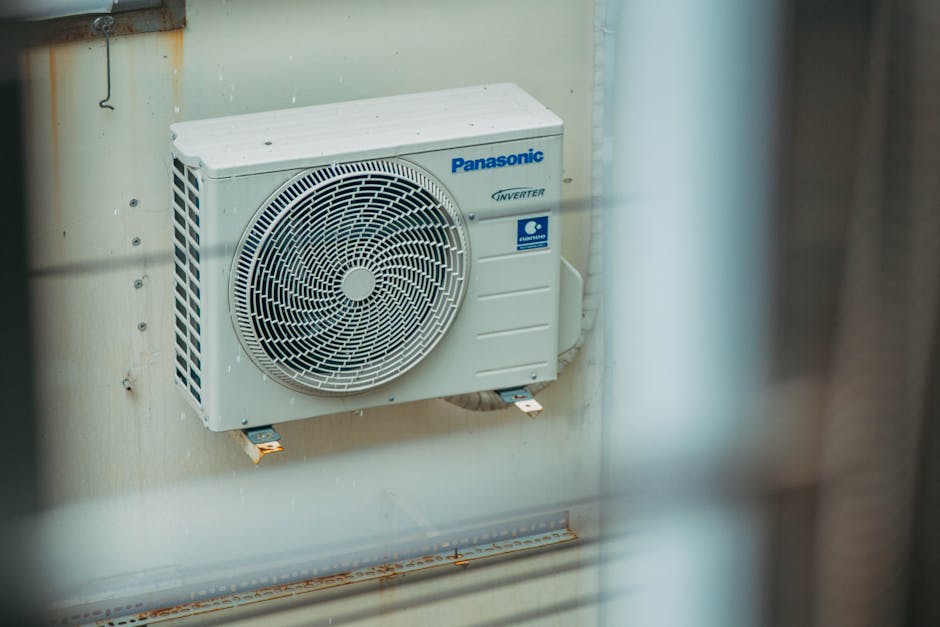
Deciding to invest in a new cooling system is a significant step for any homeowner. While we all wish our home appliances would last forever, the reality is that mechanical systems eventually wear down. In Central Oregon, where we experience crisp mountain mornings followed by intense, high-desert summer afternoons, your cooling system has to work hard to keep your living space comfortable.
When evaluating your system, age is the most common starting point. On average, traditional air conditioners have a functional lifespan of 10 to 15 years. However, this is not a hard-and-fast rule. A system that has been neglected might begin failing at year eight, while a meticulously maintained unit can sometimes push past the 15-year mark.
If your air conditioner is entering its second decade, it is wise to start researching your options. For homeowners in our local communities, scheduling a proactive consultation for AC Replacement in Bend, OR can save you from a mid-summer breakdown and give you plenty of time to choose the perfect system for your home’s layout.
Understanding the Average Lifespan of Cooling Systems
Different types of cooling systems age at different rates. Standard central air conditioning units typically last between 12 and 17 years under normal operating conditions. Heat pumps, which handle both heating and cooling duties, generally have a slightly shorter lifespan of 10 to 16 years. Because heat pumps operate year-round to keep you warm in the winter and cool in the summer, they accumulate "mileage" twice as fast as an AC unit that sits idle during the winter.
Regular professional maintenance is the single most effective way to extend these lifespans. Clean coils, lubricated motors, and clear condensate lines prevent the compressor from overheating and working harder than necessary. Neglecting annual service can easily shave three to five years off your equipment's life.
How Climate and Runtime Accelerate Wear and Tear
Our unique high-desert climate in Central Oregon plays a major role in how your air conditioner ages. While we don't experience the 4,000+ hours of annual runtime seen in places like Las Vegas, our systems face distinct environmental stressors:
- Extreme Diurnal Temperature Swings: It is common for Bend to experience 40-degree temperature shifts in a single day. This rapid cycling from cold mornings to hot afternoons causes the metal components in your system to expand and contract rapidly, leading to physical wear and tear.
- High-Desert Dust and Pollen: Dust, pine pollen, and wildfire smoke can quickly clog outdoor condenser coils and indoor air filters. When airflow is restricted, the compressor must run longer and hotter to achieve the same cooling effect, accelerating component degradation.
- Thermal Cycling Stress: The constant starting and stopping of a system during peak heat waves places heavy electrical and mechanical strain on the fan motors and compressor.
Key Warning Signs That Your Air Conditioner Is Failing
Sometimes, an air conditioner doesn't just stop working altogether; instead, it sends out subtle (and not-so-subtle) SOS signals. Recognizing these warning signs early can prevent a minor issue from turning into a major household emergency.
If you notice your system struggling, it is important to diagnose the root cause. For example, there are several common Reasons Your AC System May Be Blowing Out Warm Air, ranging from a simple clogged filter to a dying compressor. Similarly, if your system is experiencing electrical issues, you might find that your AC Circuit Breaker Keeps Tripping: What It Means for your home's safety and system health.
Here are the primary indicators that your system is nearing the end of its road:
- Inconsistent Temperatures and Hot Spots: If your living room feels like an icebox while your upstairs bedrooms remain stiflingly hot, your AC is struggling to distribute air evenly.
- Unexplained Spikes in Utility Bills: As internal components wear out, the system must run longer to cool your home. If your energy bills are climbing but your local utility rates have remained steady, your AC is losing its efficiency.
- Strange Noises and Odors: Squealing, grinding, or clanking sounds indicate failing bearings, loose belts, or a compressor on its last legs. Musty smells point to mold in the ductwork or drain pan, while burning odors suggest electrical issues.
- Frozen Evaporator Coils: Ice buildup on your indoor or outdoor unit is a sign of restricted airflow or a refrigerant leak. Running a system with frozen coils can permanently destroy the compressor.
Warning Signs and When Should You Replace Your AC Unit
A major indicator of a failing system is the frequency of professional service calls. A good rule of thumb is the three-strikes rule: if your air conditioner has required three or more significant repairs within the last three years, it is telling you that its components are failing in a chain reaction.
Replacing a single fan motor or capacitor is normal maintenance. However, once major, out-of-warranty components like the compressor or the evaporator coil begin to fail, continuing to repair an old system is often just delaying the inevitable. Investing in a new, reliable system offers peace of mind that a patched-up, decade-old unit simply cannot provide.
Refrigerant Scarcity and the R-22 Phase-Out
If your air conditioner was installed before 2010, there is a high probability that it uses R-22 refrigerant (commonly known as Freon). To protect the ozone layer, the Environmental Protection Agency (EPA) completely banned the production and import of R-22.
Because of this ban, the supply of R-22 is extremely limited, consisting only of recycled and reclaimed chemical stocks. This scarcity makes R-22 repairs highly impractical. If an older system develops a refrigerant leak, servicing the system can be incredibly difficult. In almost every scenario, attempting to repair an R-22 system is an unwise long-term decision. Upgrading to a modern system that uses environmentally friendly, readily available refrigerants is the most sensible ecological and operational choice.
The Decision: Repair vs. Replace Guidelines
When faced with a malfunctioning air conditioner, you don't have to rely on guesswork. The HVAC industry uses objective guidelines to help homeowners decide whether to approve a repair or invest in a replacement.
Instead of focusing solely on individual fixes, consider the overall health and age of your system. If you want to dive deeper into selecting a new unit, check out our guide on How to Choose the Right AC System for Your Home.
Evaluating System Age and Reliability
A primary guideline is comparing the age of your system against its performance. If your air conditioner is over a decade old and experiencing major component failures, continuing to patch it up is often a temporary fix.
For example, if a major component like the compressor or the evaporator coil fails on an older unit, a replacement is generally the more reliable long-term choice. Newer systems come with updated manufacturer warranties, offering peace of mind that a repaired, decade-old unit simply cannot provide.
The Frequency of Breakdowns
Another key factor is how often your system requires professional attention. If your air conditioner has needed multiple significant repairs over the last few consecutive seasons, it is a strong indicator that the system is reaching the end of its operational lifespan. Upgrading to a new system restores reliability and ensures consistent comfort throughout the hottest months.
Planning Your Upgrade: Timing, Efficiency, and Benefits
If you have decided that replacement is the right path, the next step is planning the installation. Timing your replacement can have a major impact on your overall experience.
Many homeowners wait until their system completely breaks down during a sweltering July afternoon before calling for help. However, spring (specifically March through May) is the absolute best window for an installation. During these shoulder months, HVAC technicians have more flexible schedules, meaning you can book an appointment at a time that works best for you. If you live north of Bend, planning ahead allows you to easily arrange for AC Replacement in Redmond, OR before the summer rush begins.
Energy Efficiency Gains and SEER2 Standards
One of the most exciting aspects of upgrading your air conditioner is the immediate reduction in your monthly utility bills. Modern air conditioners are incredibly efficient compared to units built just a decade ago.
Cooling efficiency is measured by the Seasonal Energy Efficiency Ratio (SEER2). To learn more about how these numbers impact your home, you can read our detailed breakdown on What Is a SEER Rating?.
Replacing an old, inefficient system with a modern ENERGY STAR qualified unit can reduce your cooling energy consumption by 20% to 40%. Over the lifespan of the system, these monthly savings can offset a significant portion of your initial investment.
Comfort and Technology Upgrades for When Should You Replace Your AC Unit
Beyond saving money, a new cooling system will dramatically improve the daily comfort of your home. Modern HVAC technology has advanced significantly, offering features that were unavailable a decade ago:
- Variable-Speed Compressors: Older systems operate like a light switch — they are either 100% on or completely off. Variable-speed systems operate like a dimmer switch, constantly adjusting their output to match your home's exact cooling needs. This results in incredibly steady temperatures and whisper-quiet operation.
- Enhanced Dehumidification: By running longer, gentler cycles, variable-speed systems remove far more moisture from the indoor air, which is incredibly helpful during humid summer stretches.
- Advanced Filtration and Air Quality: New systems can support high-efficiency MERV filters without restricting airflow, helping to capture pollen, dust, and smoke particles.
- Smart Thermostat Integration: Modern systems connect seamlessly with smart thermostats, allowing you to control your home's climate from your phone and optimize your energy usage schedules.
Frequently Asked Questions About AC Replacement
Should I replace my furnace and AC at the same time?
Yes, in most cases, replacing both systems simultaneously is highly recommended. Because your air conditioner and furnace share the same indoor blower motor and ductwork, a matched system ensures peak performance and maximum energy efficiency.
Replacing both units at once also streamlines the installation process, as our technicians only need to configure and seal the system once. Additionally, it resets the physical lifespan clock for your entire mechanical closet, giving you years of worry-free comfort.
How can I find the exact age of my current AC unit?
You can easily find the age of your system by locating the manufacturer nameplate on the side of your outdoor condenser unit. This metal plate lists the model number, serial number, and often the manufacture date. If the date is not explicitly printed, you can write down the serial number and use an online lookup tool, as the first few digits of the serial number usually represent the week and year the unit was manufactured.
Does a new air conditioning system increase home resale value?
Absolutely. A new, energy-efficient HVAC system is a major selling point for prospective homebuyers. It provides immediate peace of mind that they won't have to worry about a major mechanical failure shortly after moving in. Many modern systems also feature transferable manufacturer warranties, which further boosts buyer confidence and can help your home sell faster.
Conclusion
Determining when should you replace your ac unit doesn't have to be a stressful or confusing process. By keeping an eye on your system's age, tracking your repair history, and using reliable guidelines to evaluate its performance, you can make an informed, proactive decision that protects both your home's comfort and your peace of mind.
At Mountain View Heating, we have spent over 40 years helping our neighbors in Bend, Redmond, La Pine, Sisters, Sunriver, and Crooked River Ranch stay comfortable in every season. We prioritize 100% customer satisfaction on every single job, whether it's a quick repair or a complete system upgrade. If your air conditioner is struggling or nearing the end of its lifespan, don't wait for a summer breakdown. We offer fast, reliable service to keep your home cool and comfortable. Schedule professional air conditioning services today and let us help you find the perfect cooling solution for your home.