


Heat Pump Maintenance vs AC Maintenance Differences: What Every Homeowner Should Know
The heat pump maintenance vs AC maintenance differences come down to one key factor: how much work each system does throughout the year.
Here's a quick breakdown:
| Feature | Heat Pump | Central AC |
|---|---|---|
| Operates year-round | Yes (heating + cooling) | No (cooling only) |
| Recommended service visits | Twice yearly (spring & fall) | Once yearly (spring) |
| Unique components to inspect | Reversing valve, defrost cycle | N/A |
| Shared maintenance tasks | Filters, coils, electrical, refrigerant | Filters, coils, electrical, refrigerant |
| Risk of neglect | Higher (runs more hours) | Moderate |
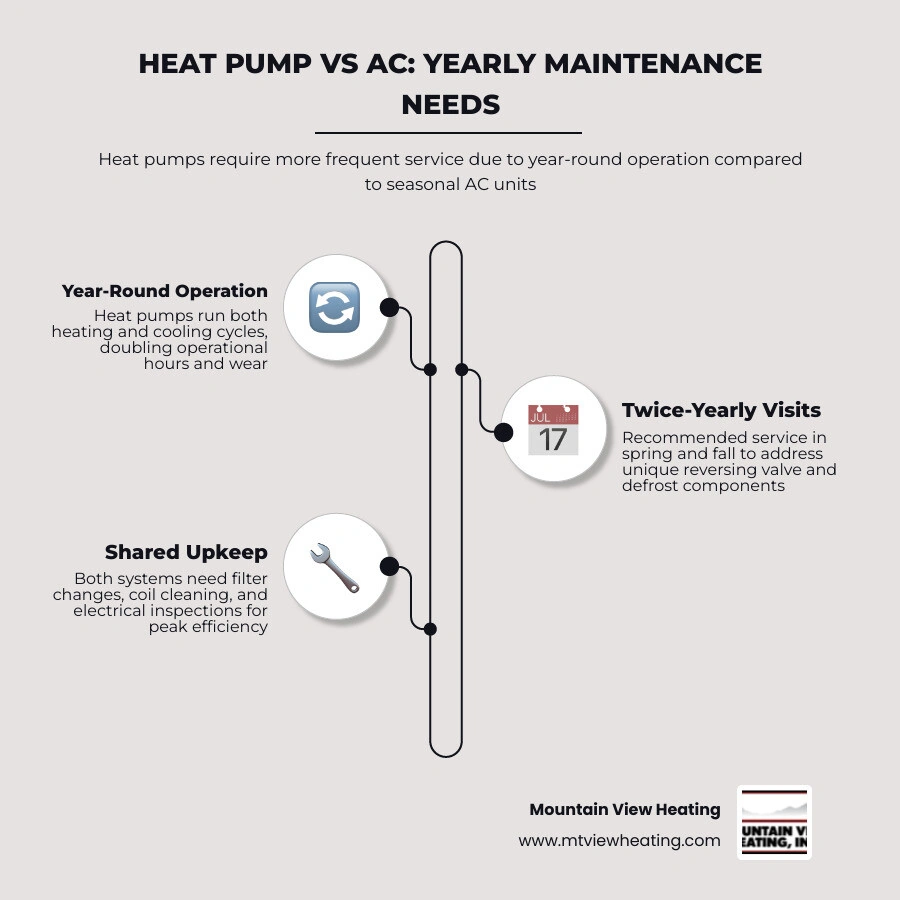
If you have a standard central air conditioner, a single spring tune-up each year is generally enough to keep it running well. But if you have a heat pump, it handles both your heating and cooling — meaning it runs year-round and takes on roughly twice the wear. That's why most HVAC professionals recommend servicing heat pumps in both spring and fall.
For homeowners in Bend, Oregon, where summers regularly push past 95°F and winters bring freezing temperatures, getting this maintenance schedule right isn't just good practice — it directly affects your comfort, your energy bills, and how long your system lasts. Neglected systems can lose up to 25% efficiency over time, and 70–80% of heat pump repairs happen to systems that never received regular checkups.
In this guide, we'll walk through exactly what's the same and what's different between maintaining these two systems, so you know what to expect and when to call a professional.
Understanding the Core Heat Pump Maintenance vs AC Maintenance Differences
To truly understand the heat pump maintenance vs ac maintenance differences, we have to look under the hood at how these systems operate. While they look almost identical from the outside—both featuring a metal outdoor cabinet with a compressor, coils, and a fan—their operational demands are vastly different.
An air conditioner is a single-season specialist. It sits quietly during the chilly Central Oregon winters, waiting for the first warm days of spring. When summoned, it performs a single job: extracting heat from inside your home and dumping it outdoors. Because it only runs for a few months out of the year, its internal parts experience relatively low cumulative wear and tear.
A heat pump, on the other hand, is a year-round workhorse. In the summer, it acts exactly like an air conditioner, cooling your living space. But when autumn arrives and temperatures drop in places like Redmond and Sisters, the heat pump does something an AC unit simply cannot do. It reverses its refrigerant flow to extract thermal energy from the cold outdoor air and pump it inside to warm your home.
Because a heat pump is constantly running across both heating and cooling seasons, it logs thousands of additional operating hours every year. This continuous cycle of heating and cooling puts a high level of physical stress on its components. If you want to dive deeper into how these options compare for your home's setup, check out our guide on Heat Pump vs Traditional HVAC.
To visual how this extra runtime translates to maintenance needs, let's look at the standard service schedules for each system:
| Maintenance Aspect | Central Air Conditioner | Heat Pump |
|---|---|---|
| Service Frequency | Once per year (typically mid-to-late spring) | Twice per year (spring and fall) |
| Primary Focus | Cooling efficiency, electrical safety, airflow | Bidirectional performance, reversing valve, defrost controls, auxiliary heat |
| Operational Hours | Medium (seasonal cooling only) | High (year-round heating and cooling) |
| Key Risk Factors | Capacitor failure, dirty coils, restricted airflow | Reversing valve stick, sensor failure, winter coil icing, auxiliary heat strip wear |
Because of these differences, a heat pump requires a proactive, twice-yearly maintenance strategy to prevent premature wear and keep your utility bills low.
Shared Upkeep: Common Tasks for Both Systems
Despite their differences, heat pumps and air conditioners share about 80% of the same DNA. They both rely on the exact same physical principles of thermodynamics and the refrigeration cycle to move heat. Therefore, many of the routine maintenance steps are identical.
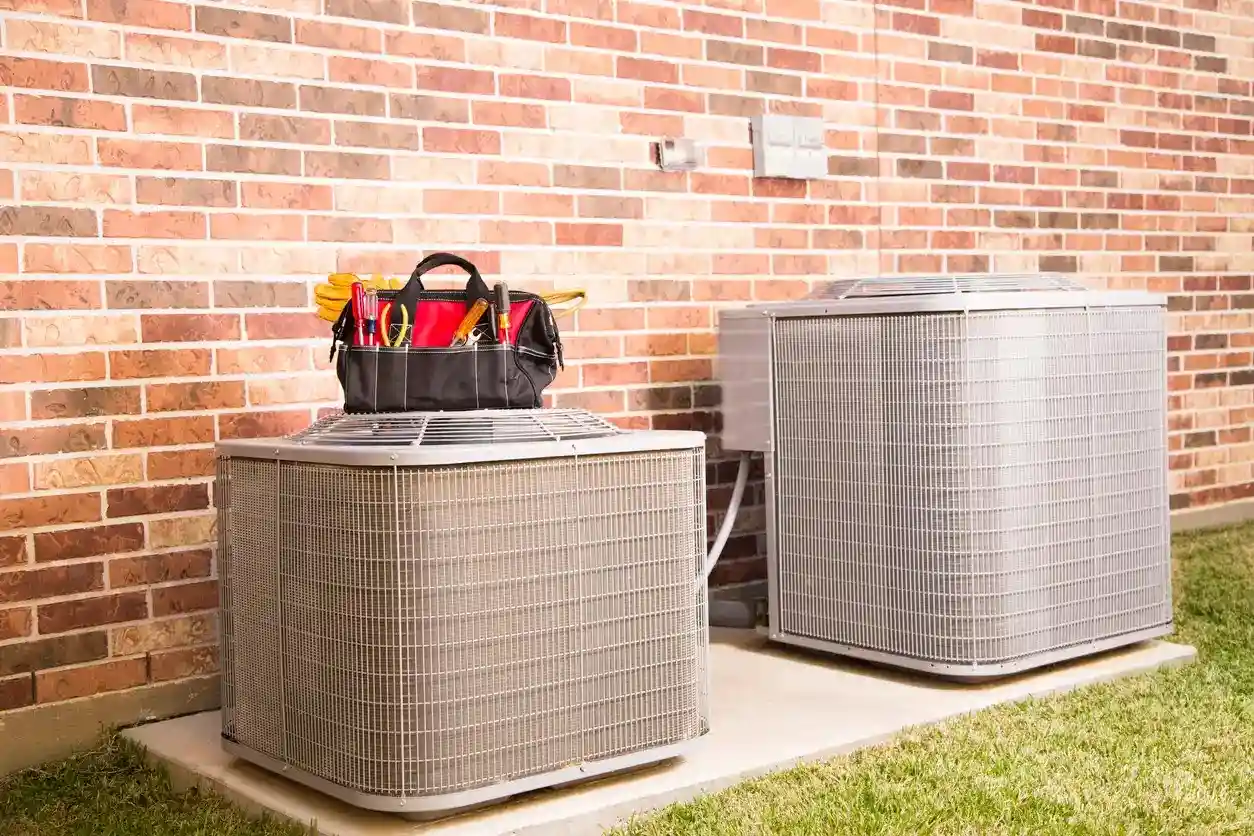
When we perform a tune-up on either system, we focus heavily on these shared core components:
- Air Filters: Both systems rely on consistent airflow to function. A clogged filter forces the blower motor to work harder, which can increase your energy consumption by up to 20% and eventually cause the system to overheat or freeze up.
- Coil Cleaning: Outdoor condenser coils and indoor evaporator coils must be kept clean. Dirt, dust, and outdoor debris act as insulators. A dirty coil can reduce overall operating efficiency by 5% or more, driving up your energy bills.
- Fan Motors & Blades: We inspect, clean, and lubricate the indoor blower motor and the outdoor fan assembly. This ensures that air moves freely across the coils without putting extra strain on the electrical system.
- Electrical Connections: Over time, the vibrations from normal operation can loosen electrical connections. We inspect, tighten, and test capacitors and contactors to prevent unexpected electrical failures.
- Refrigerant Levels: Both systems require a precise charge of refrigerant. If the system is undercharged or overcharged, it won't heat or cool properly and can cause severe damage to the compressor.
By staying on top of these fundamental tasks, you protect your system from sudden breakdowns. For a complete look at what our technicians cover during a standard cooling visit, read through our detailed breakdown of AC Maintenance Tips.
Unique Components and Seasonal Demands
Now, let's look at the specific heat pump maintenance vs ac maintenance differences that require specialized professional care. Because a heat pump has to change directions to heat your home, it contains mechanical and electronic components that you will never find inside a standard air conditioner.
During the winter, a heat pump must also deal with freezing outdoor temperatures. This introduces unique seasonal demands, such as dealing with frost, managing meltwater drainage, and coordinating with backup heating elements. To learn more about the basic mechanics behind these systems, check out our article on How a Heat Pump Works.
How the Reversing Valve Impacts Heat Pump Maintenance vs AC Maintenance Differences
The absolute biggest mechanical difference between a heat pump and an AC is the reversing valve. This four-way valve is the component responsible for switching the system between heating and cooling modes.
When you change your thermostat from "cool" to "heat," an electrical signal is sent to a solenoid on the reversing valve. This solenoid slides an internal mechanism that redirects the high-pressure refrigerant gas. Instead of sending the hot gas to the outdoor coil to be cooled, it sends it to your indoor coil to warm your home.
Because this valve must physically slide back and forth, it is subject to mechanical wear. If the valve gets stuck in one position, or if the solenoid coil fails, your heat pump will be trapped in either heating or cooling mode. During a professional Heat Pump Tune Up, our technicians carefully test this valve to ensure it shifts smoothly and without restriction.
Why Defrost Cycles Create Heat Pump Maintenance vs AC Maintenance Differences
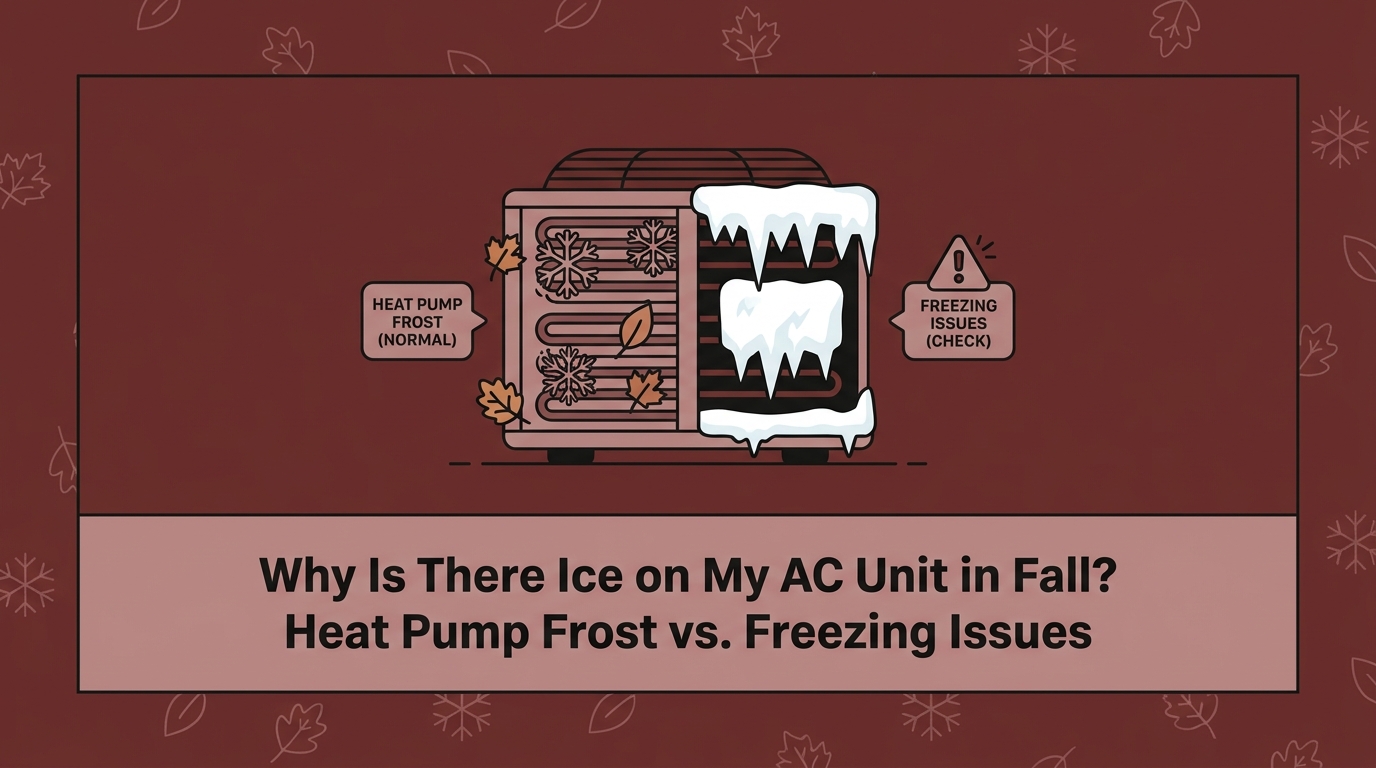
During a Central Oregon winter in Sunriver or La Pine, outdoor temperatures regularly drop below freezing. As the heat pump extracts warmth from the freezing outdoor air, moisture in the air naturally condenses and freezes on the outdoor coil.
To prevent this ice from blocking airflow and damaging the system, heat pumps feature an automatic defrost cycle. When the system detects ice buildup, it temporarily reverses back into cooling mode. This sends hot refrigerant gas to the outdoor coil to melt the ice. To keep you from getting cold inside during this process, the system temporarily activates auxiliary electric heat strips to warm the indoor air.
This complex dance requires:
- Defrost Control Boards: The electronic "brain" that decides when to start and stop the defrost cycle.
- Temperature and Pressure Sensors: Sensors that monitor coil conditions to detect ice.
- Auxiliary Heat Strips: Electric resistance heaters that must be tested to ensure they operate safely and efficiently when called upon.
An air conditioner does not have a defrost cycle because it never runs in freezing weather. If an AC unit develops ice on its coils during the summer, it is a sign of a serious problem, such as a refrigerant leak or a severe airflow restriction. If you are running a standard cooling system and want to ensure it is ready for summer, scheduling an AC Tune Up is the best way to prevent summer freeze-ups.
The Consequences of Neglecting Your Heating and Cooling Systems
Skipping regular maintenance might seem like an easy way to save a little time, but the long-term impact on your home's comfort can be severe.
When you neglect your HVAC system, the decline in performance is gradual but steady. Industry data shows that neglected heating and cooling systems lose about 5% of their operating efficiency every single year they go without a professional tune-up. This means your system works harder and runs longer to achieve the same indoor temperature, leading to a noticeable spike in your monthly utility bills.
Over time, this extra strain takes a heavy toll:
- Reduced Lifespan: A well-maintained heat pump can easily last 15 to 20 years. Without regular care, that lifespan can drop to just 10 to 12 years, forcing you into a premature replacement much sooner than expected.
- More Frequent Breakdowns: Up to 80% of all major heat pump breakdowns could have been entirely prevented with routine maintenance. Small issues, like a worn capacitor or a dirty sensor, quickly turn into major failures like a burnt-out compressor.
- Wasted Energy: The difference in energy consumption between a well-maintained heat pump and a severely neglected one can range from 10% to 25%.
To understand more about the hidden risks of ignoring your heating and cooling equipment, read our article on Why Skip HVAC Maintenance.
Frequently Asked Questions About HVAC Maintenance
We receive many questions from homeowners in Bend, Terrebonne, and Three Rivers about how to care for their home comfort systems. Here are some of the most common questions we hear.
How often should a heat pump be serviced compared to an air conditioner?
A standard central air conditioner should be serviced once a year, ideally in the spring before the summer heat arrives. This ensures the coils are clean, electrical components are safe, and the system is operating at peak efficiency before it is put under heavy load.
A heat pump should be serviced twice a year—once in the spring to prepare for cooling, and once in the fall to prepare for the heavy heating demands of winter. Because a heat pump runs year-round, biannual servicing is essential to manage the wear and tear on its reversing valve, defrost controls, and electrical components. For a complete checklist of what these visits entail, refer to our Heat Pump Maintenance Guide.
Can homeowners perform any DIY maintenance tasks?
Absolutely! While complex mechanical and electrical tasks should always be left to certified professionals, there are several important things homeowners can do to keep their systems running smoothly:
- Replace Air Filters Regularly: Check your filters every month, especially during high-use seasons (summer and winter) or during wildfire season. Replace them every 1 to 3 months.
- Clear the Outdoor Unit: Keep a 3-foot clearance zone around your outdoor condenser. Clear away pine needles, leaves, weeds, and snow.
- Keep Vents Clear: Ensure that indoor supply and return registers are not blocked by furniture, drapes, or toys.
For a detailed look at how to safely care for your system between professional visits, check out our AC Service Guide.
How does the Central Oregon climate affect maintenance needs?
The unique climate of Central Oregon presents specific challenges for both heat pumps and air conditioners.
During our hot, dry summers, high levels of pollen and dust can quickly coat outdoor coils. Additionally, seasonal wildfire smoke can severely clog indoor air filters. We highly recommend using a high-quality MERV 11 filter to protect your indoor air quality without restricting system airflow. If you want superior protection, upgrading to a 4-inch filter media cabinet (such as Honeywell or AprilAire) is a great way to handle heavy smoke and pollen.
In the winter, freezing temperatures and heavy snow in areas like Sunriver and La Pine mean your heat pump's defrost system must work flawlessly. Keeping snow and ice from burying the outdoor unit is critical to maintaining proper airflow and avoiding emergency system shutdowns.
Conclusion
Whether your home relies on a traditional central air conditioner or a modern, year-round heat pump, regular maintenance is the key to lower utility bills, fewer emergency repairs, and a longer equipment lifespan.
At Mountain View Heating, we have spent over 40 years helping homeowners across Bend, Redmond, Sisters, Sunriver, and the surrounding communities keep their homes comfortable. We prioritize 100% customer satisfaction on every single job, and our experienced, friendly technicians are always ready to help.
If you are ready to ensure your home's comfort system is operating at peak efficiency, contact us today to Schedule Heat Pump Service or arrange your annual AC tune-up. We are here to keep your home comfortable in every season!