


The High Desert Cooling Dilemma Every Bend Homeowner Faces
Central air vs mini split for high desert homes is one of the most common questions homeowners in Bend, Oregon ask when it's time to upgrade or replace their cooling system — and for good reason. The high desert climate here is genuinely demanding: scorching summer afternoons, dramatic temperature swings between day and night, dry air, dust, and the occasional wildfire smoke event. Choosing the wrong system can mean higher energy bills, uneven comfort, and a unit that struggles to keep up when you need it most.
Here is a quick side-by-side answer to help you decide:
• Best for — Central Air: Homes with existing ductwork — Mini-Split: Homes without ducts, additions, zones
• Efficiency — Central Air: 14–21 SEER2 (loses 20–30% via ducts) — Mini-Split: 20–35 SEER2 (no duct loss)
• Installation — Central Air: 1–2 days (with ducts) — Mini-Split: 1 day per zone, minimal disruption
• Temperature control — Central Air: Whole-home, single thermostat — Mini-Split: Room-by-room zoned control
• Heating capable? — Central Air: AC only (needs separate furnace) — Mini-Split: Yes — most are heat pumps
• High desert performance — Central Air: Strong with sealed, insulated ducts — Mini-Split: Rated to operate at 115–122°F
• Dust/air quality — Central Air: Centralized filtration, upgradeable — Mini-Split: Washable filters per unit, more frequent cleaning
Neither system is universally better. The right choice depends on your home's existing infrastructure, how you use your space, and how much you want to spend cooling rooms nobody is sitting in.
Understanding central air vs mini split for high desert homes
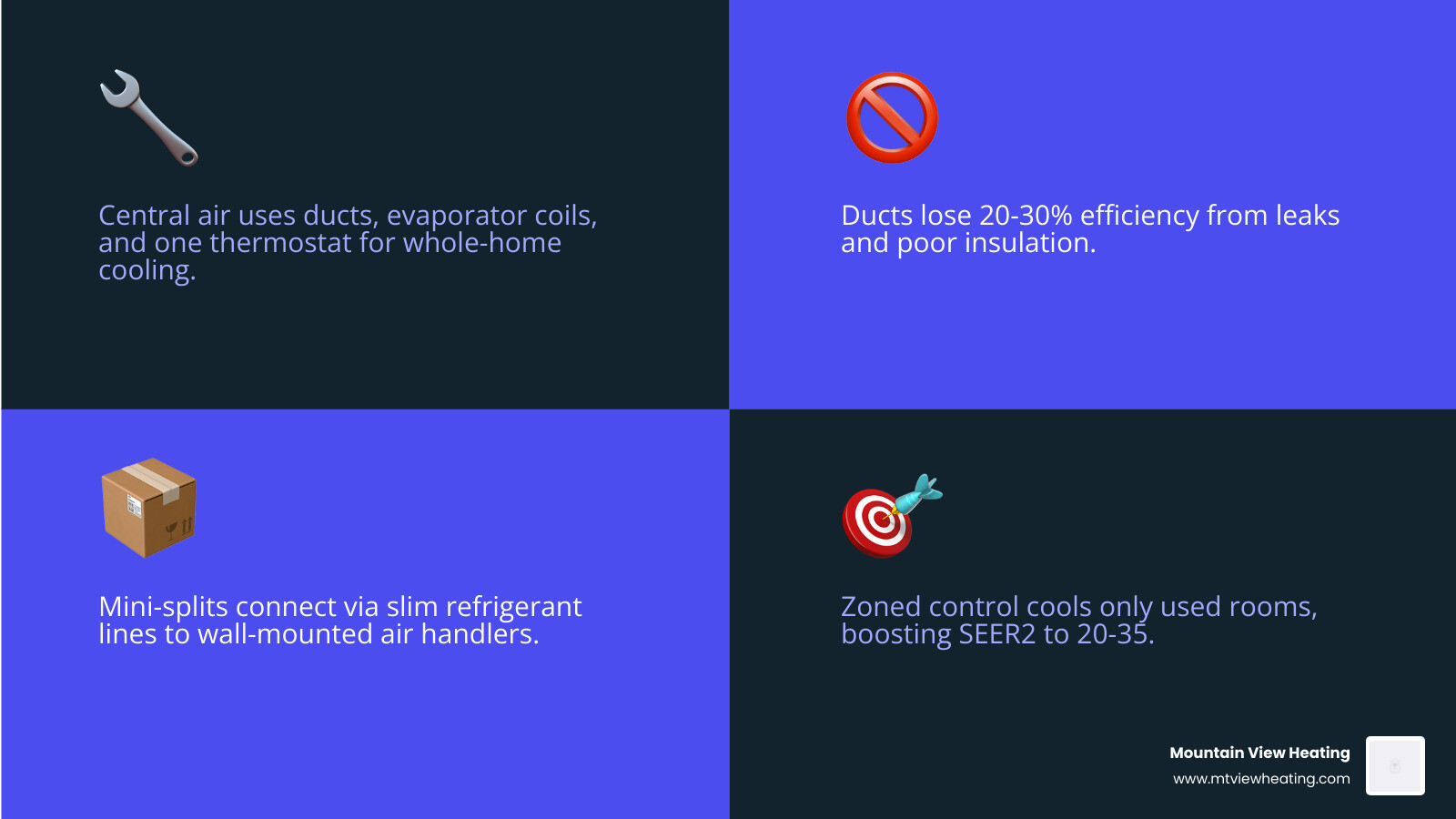
When we talk about central air vs mini split for high desert homes, we are really comparing two different philosophies of comfort. Central air is the "set it and forget it" champion of the American home. It relies on a large outdoor condenser unit, an indoor evaporator coil (usually tucked away in a furnace or air handler), and a network of ducts to push air into every corner of the house. It’s a unified system where one thermostat rules them all.
Ductless mini-splits, on the other hand, skip the "middleman" of ductwork. They use small refrigerant lines to connect an outdoor unit directly to individual indoor air handlers mounted on your walls or ceilings. This design allows for "zoning," meaning you can keep your bedroom at a crisp 68°F while the guest room stays at 75°F.
A key piece of technology in modern systems—especially mini-splits—is the inverter-driven compressor. Think of a traditional central AC like a light switch; it’s either 100% on or 100% off. This leads to "short cycling," which can be hard on equipment in our dry climate. Inverter technology acts more like a dimmer switch, allowing the system to ramp up or down to maintain a steady temperature. This is a major factor when evaluating a Central AC vs. Ductless Mini-Split Comparison.
• Distribution — Central Air Conditioning: Metal or flex ductwork — Ductless Mini-Split: Small copper refrigerant lines
• Indoor Unit — Central Air Conditioning: Single air handler/furnace — Ductless Mini-Split: Multiple wall or ceiling "heads"
• Thermostat — Central Air Conditioning: One central controller — Ductless Mini-Split: Individual remotes or apps per room
• Space Required — Central Air Conditioning: Attic, crawlspace, or closet for ducts — Ductless Mini-Split: Minimal; 3-inch hole through exterior wall
How do these systems perform when Bend temperatures hit 115°F?
While 115°F isn't an everyday occurrence in Central Oregon, we’ve certainly seen record-breaking heatwaves that put HVAC systems to the ultimate test. In extreme heat, the physics of cooling changes. Your Air Conditioning system has to work harder to move heat from inside your home to the scorching air outside.
One challenge we often face in the high desert is altitude derating. In places like Sunriver or Sisters, the air is thinner than at sea level. This means your cooling system might lose about 17% of its rated capacity. If a contractor doesn't perform an altitude-corrected Manual J calculation—which is the industry standard for sizing a system based on your home’s specific square footage, insulation, and local climate—you could end up with a unit that simply can’t keep up during a July scorcher.
Mini-splits often have a slight edge here. Many modern units are specifically engineered to maintain their cooling capacity even when outdoor temperatures climb to 115°F or 122°F. Central air systems can also handle the heat, but they are more susceptible to "thermal gain." If your ductwork runs through a 150°F attic, the air is already warming up before it even reaches your living room.
Which offers better energy efficiency: central air vs mini split for high desert homes?
Efficiency is where the "showdown" gets interesting. As of April 2026, the industry has fully embraced SEER2 (Seasonal Energy Efficiency Ratio 2) standards. These ratings tell you how much cooling you get for every dollar of electricity spent. You can learn more in our guide on What You Need to Know About SEER2 Energy Efficiency Standards.
Mini-splits are the undisputed heavyweight champions of efficiency. While a high-end central AC might reach 21 to 26 SEER2, some mini-splits are pushing past 35 SEER2. But the real secret to their efficiency isn't just the rating—it’s the lack of ducts. The U.S. Department of Energy estimates that typical ductwork loses 20% to 30% of its conditioned air through leaks, cracks, and poor insulation. By eliminating ducts, mini-splits eliminate that waste entirely.
There is also the problem of "phantom cooling." With central air, you are cooling the kitchen, the laundry room, and the guest suite even if you are just sitting in the living room. Mini-splits allow for zoned cooling, so you only pay to cool the rooms you are actually using. This can lead to a 30% to 40% drop in energy consumption for many homeowners in Redmond and La Pine.
Concerned about desert dust? Here is how each system handles air quality
If you’ve lived in Bend for more than a week, you know about the dust. Our volcanic soil and arid environment mean particulate matter is a constant houseguest. When choosing central air vs mini split for high desert homes, indoor air quality (IAQ) is a top priority.
Central air systems have a distinct advantage in terms of filtration power. Because they have a large, centralized air handler, we can install high-efficiency pleated filters or even whole-home air purifiers that trap everything from fine desert dust to wildfire smoke. These systems are easier to maintain in one sense—you only have one or two filters to swap out every few months.
Mini-splits handle air quality differently. Each indoor "head" has its own washable filter. These are great at catching larger particles, but they require more frequent attention. In a dusty desert environment, we recommend cleaning these filters every 2 to 4 weeks. If you suffer from severe allergies, you might find that the centralized filtration of a ducted system—paired with professional HVAC Services like duct cleaning—provides a more "scrubbed" feel to the air.
I need to cool an older home or a new addition—which should I choose?
This is where the decision often makes itself. If you live in a historic home in the Avenues or a 1920s bungalow in downtown Bend that was originally built with radiators or baseboard heat, you probably don’t have room for bulky ductwork. Installing ducts in an older home can be invasive, requiring us to cut into plaster walls or drop ceilings, which often isn’t an option for preservation-minded homeowners.
For these scenarios, a mini-split is a "retrofitter’s dream." We only need to drill a small three-inch hole to connect the indoor and outdoor units. It’s a non-invasive way to bring modern comfort to a classic home. You can read more about this in our article on Central Air vs. Mini-Split for Older Homes.
The same logic applies to additions, casitas, or garage conversions. If you’ve turned your garage into a home gym or a workshop, your existing central AC wasn't sized to handle that extra space. Rather than straining your main system, adding a single-zone mini-split is often the most practical solution. It’s a dedicated way to provide Ductless Heating and Cooling for Homes Without Ductwork.
Can I get year-round comfort with central air vs mini split for high desert homes?
In Central Oregon, "cooling" is only half the battle. We have chilly winters where temperatures can dip well below freezing. The good news is that both systems can handle the heat and the cold.
Most mini-splits are actually heat pumps. They can reverse the cooling process to pull heat from the outside air and move it into your home. Modern "cold climate" or "Hyper Heat" mini-splits can maintain their heating output even when it’s -13°F outside. They offer incredible Mini-Split Benefits for Homeowners because they provide a gentle, consistent warmth without the "blast" of a traditional furnace.
Central systems usually rely on a dual-fuel approach in our region. You might have a central air conditioner paired with a gas furnace. Modern furnaces use electronic ignitors to start the heating cycle. This provides a powerful, high-capacity heat that some homeowners prefer during our deepest winter freezes. Whether you choose a heat pump or a furnace-based system, the goal is consistent whole-home warmth that can handle the high desert’s dramatic 40-degree daily temperature swings.
Frequently Asked Questions about Desert HVAC
Which system lasts longer in harsh desert conditions?
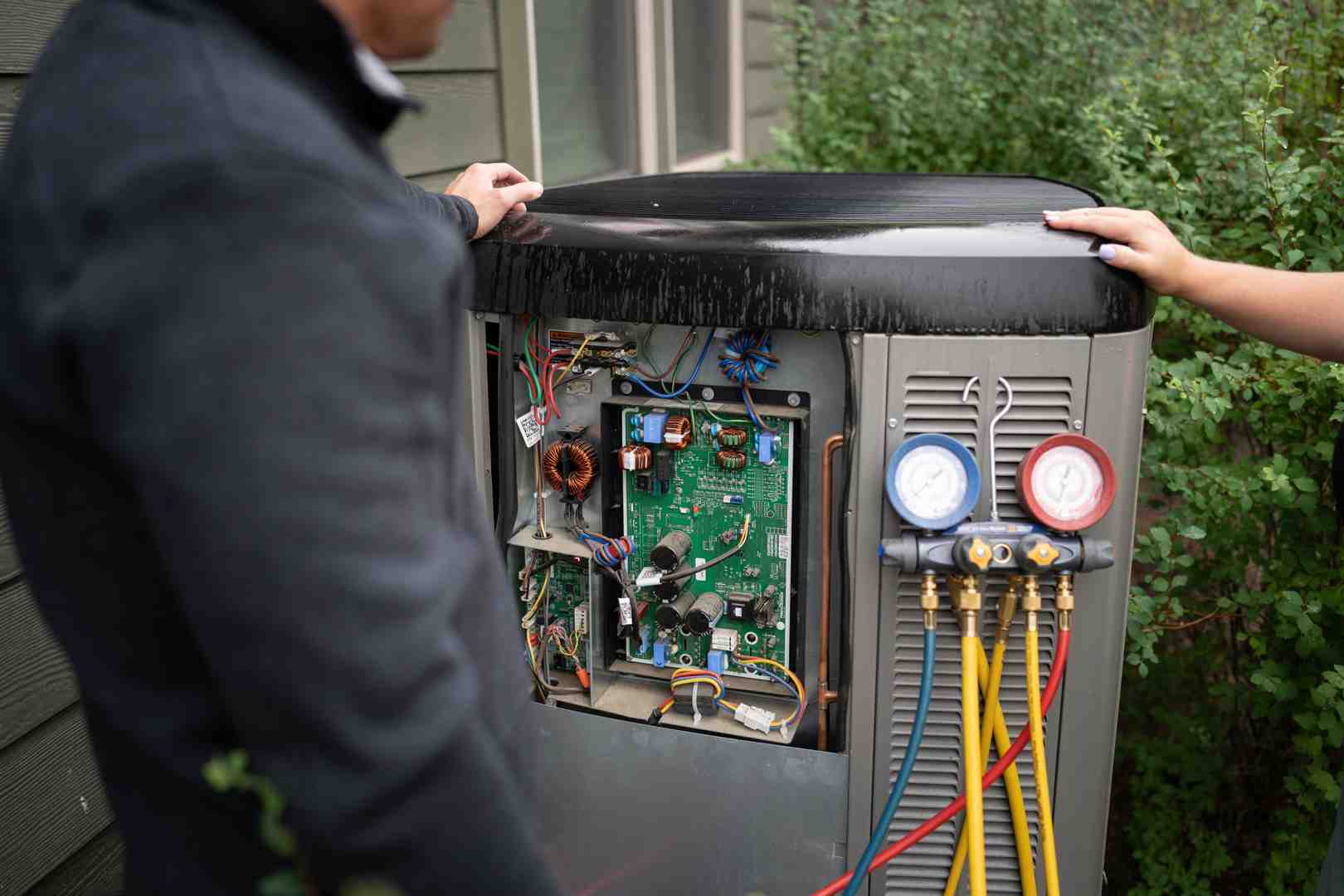
Both systems are built to be durable, but they face different challenges. A central AC condenser usually lasts 12 to 20 years. Because the indoor components (the evaporator coil and blower) are protected inside your home, they are shielded from the elements. Mini-splits have a similar lifespan of 15 to 20 years. However, because the indoor units are "heads" in each room, they are very easy to replace individually if one fails, whereas a central system failure often requires a more extensive overhaul.
Do mini-splits require more maintenance than central air?
Maintenance is a "wash" between the two, but the type of maintenance differs. Central air requires you to change one main filter every 1 to 3 months and keep the outdoor unit clear of debris. Mini-splits require you to wash the filters in every indoor unit every few weeks. Since the high desert is so dusty, skipping this step will quickly kill your efficiency. Both systems require a professional annual tune-up to check refrigerant levels and clean the coils.
Can a mini-split effectively cool an entire multi-story home?
Absolutely. We frequently install multi-zone systems where one large outdoor unit powers up to five or eight indoor heads. This allows you to have a head in each bedroom and a larger one in the main living area. While it might require more indoor units than a single central thermostat, it provides much better comfort for multi-story homes where the upstairs is naturally hotter than the downstairs.
Conclusion
When it comes to the central air vs mini split for high desert homes debate, there is no wrong answer—only the answer that fits your lifestyle. If you have a large, open-plan home with existing ducts and you want a system that is virtually invisible, central air is a fantastic, time-tested choice. If you want the ultimate in energy efficiency, room-by-room control, or you are cooling a home without ductwork, Mini Splits are likely your best bet.
At Mountain View Heating, we’ve been serving the Bend, Redmond, and Sisters communities for over 40 years. We understand the unique micro-climates of the high desert, from the snows of Sunriver to the heat of Terrebonne. Our priority is always 100% customer satisfaction, ensuring your home stays a sanctuary no matter what the weather is doing outside.
If you’re ready to stop guessing and start cooling, give us a call. We’ll help you evaluate your home’s layout and comfort goals to find the perfect match for your high desert life.