


What Every Bend Homeowner Should Know About How Your Air Conditioner Works
How your air conditioner works comes down to one simple idea: it does not create cold air. Instead, it moves heat from inside your home to the outside, leaving your indoor air cooler and more comfortable.
Here is a quick breakdown of the process:
1. Warm indoor air is pulled across a cold indoor coil (the evaporator coil)
2. Refrigerant inside that coil absorbs the heat from the air and turns from liquid to gas
3. The compressor pumps that heated gas to the outdoor unit
4. The condenser coil releases the heat outside, and the refrigerant cools back into a liquid
5. The cycle repeats until your home reaches the temperature set on your thermostat
This process also pulls moisture out of your indoor air, which is why a well-functioning AC makes your home feel less sticky and more comfortable — even on the hottest Bend summer days.
Willis Carrier figured this out back in 1902, and while the technology has come a long way since then, the core idea has not changed: your AC is essentially a heat-subtraction machine running in a continuous loop.
Understanding this helps you catch problems early, maintain your system better, and make smarter decisions about repairs or replacements.
The Science of Heat Transfer: How Your Air Conditioner Works
To understand how your air conditioner works, we have to look at a bit of "cool" science. It all relies on a physical law: when a liquid converts into a gas, it absorbs heat. Think about how your skin feels chilly when you step out of a swimming pool in Sunriver; that’s the water evaporating and taking heat away from your body.
Inside your AC system, we use a specialized chemical called refrigerant to perform this trick over and over. This chemical has a very low boiling point, meaning it can turn from a liquid to a gas even at relatively low temperatures. As it travels through a closed loop of copper tubing, it undergoes "phase conversion."
When the low-pressure liquid refrigerant enters the indoor portion of your system, it absorbs the heat from your living room air. This causes the refrigerant to boil and turn into a gas. This same principle is utilized in other HVAC technology as well; you can learn more about this by reading How Does a Heat Pump Work.
How Your Air Conditioner Works to Manage Humidity
In the High Desert, we aren't usually fighting the "soup-like" humidity found in the South, but managing moisture is still a critical part of home comfort. As warm air hits the cold evaporator coil, moisture in the air condenses into liquid water—much like how a cold glass of iced tea "sweats" on a July afternoon in Redmond.
This water collects in a drain pan and is funneled outside through a condensate line. By removing this moisture, the AC makes the air feel significantly cooler. In fact, dehumidifying air can reduce subsequent cooling costs by as much as 90 percent because dry air allows our bodies to cool themselves more efficiently through natural evaporation. For those living in our unique local environment, understanding How Does a Heat Pump Work in a High Desert Climate can provide deeper insight into how these systems handle our specific air conditions.
The Role of Refrigerant in Moving Heat
Refrigerant is the "blood" of your cooling system. Without it, the mechanical parts would just be blowing warm air around. It moves in a continuous, elegant cycle, changing states to carry heat away.
Historically, refrigerants like R-22 (often called Freon) were the industry standard, but they contained chlorine which was harmful to the ozone layer. Thanks to the Montreal Protocol, the industry shifted to more sustainable alternatives like R-410A, and we are now seeing even newer, more eco-friendly refrigerants enter the market. It is important to remember that refrigerant is part of a sealed system; it isn't "used up" like gasoline. If your system is low on refrigerant, it means there is a leak that needs professional repair.
The Four Primary Components of a Cooling System
An air conditioner is a team of components working in perfect synergy. If one player is off their game, the whole system suffers.
The Evaporator Coil and Compressor
The evaporator coil is located inside your home, usually tucked away in the air handler or attached to your furnace. Its job is to provide a cold surface for the indoor air to blow across. As the air passes over the fins, the refrigerant inside the coil drinks up the heat.
The compressor is often called the "heart" of the system. Located in the outdoor unit, it acts as a pump. It takes the warm, low-pressure refrigerant gas coming from the indoor unit and "squeezes" it. This compression increases the pressure and the temperature of the gas significantly. Why? Because to release heat to the outdoors, the refrigerant must be hotter than the outside air.
The Condenser Coil and Expansion Valve
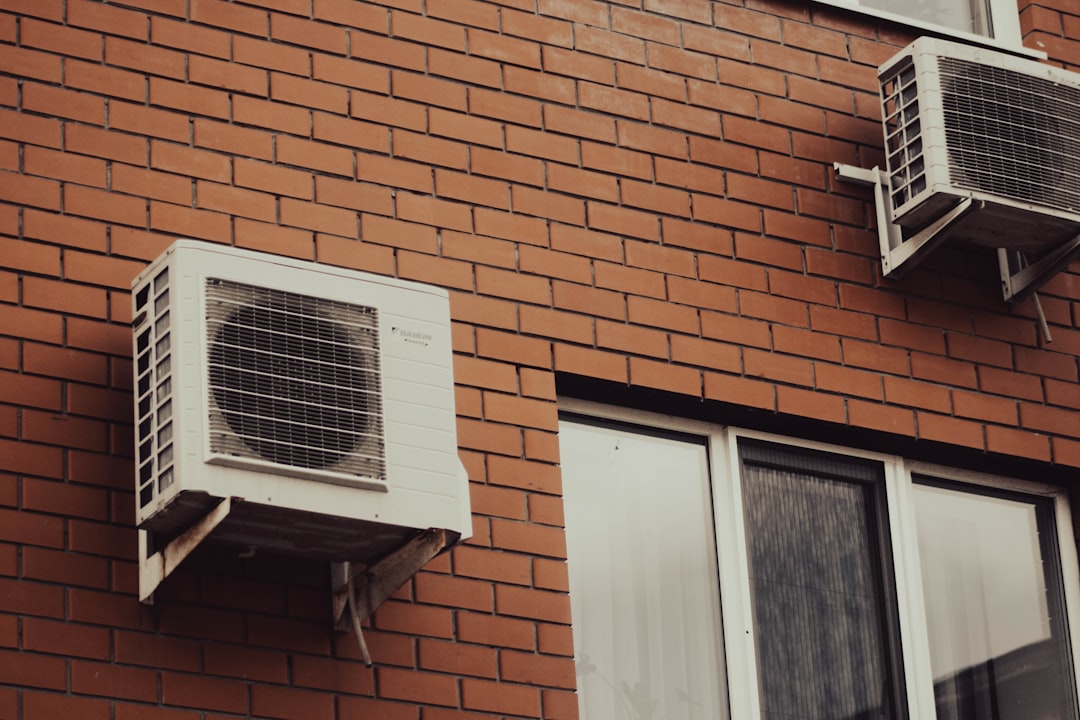
The condenser coil is the large outdoor unit you see in your yard or on the side of your house in Sisters. A fan pulls outdoor air across these coils, allowing the superheated refrigerant to release its heat to the outside world. As the heat leaves, the refrigerant cools down and turns back into a high-pressure liquid.
Before that liquid can go back inside to absorb more heat, it has to pass through the expansion valve. You can find out more about this specific part in our guide on The Function of a Thermostatic Expansion Valve. This valve acts like a nozzle, spraying the liquid into the low-pressure evaporator coil, which causes it to drop in temperature instantly—ready to start the cooling cycle all over again. Choosing the right setup is vital for efficiency; see our tips on How to Choose the Right AC System for Your Home.
Efficiency Metrics: SEER Ratings and Cooling Capacity
When you are looking at a new system for your home in La Pine or Terrebonne, you will see a lot of acronyms. Understanding these helps you see the value of your investment.
What is a "Ton" of Cooling?
In the HVAC world, we don't measure cooling in pounds, but in "tons." This term is a bit of a history lesson. Before mechanical AC, people used large blocks of ice to stay cool. A "ton" of cooling is defined as the amount of heat required to melt one literal ton (2,000 lbs) of ice in a 24-hour period.
In modern technical terms, one ton of cooling equals 12,000 BTUs (British Thermal Units) per hour. Most residential homes require between 1.5 and 5 tons of cooling capacity. Getting this size right is crucial; a system that is too small won't keep up with a Bend heatwave, while a system that is too large will "short cycle," turning on and off so fast that it fails to dehumidify the air.
How Your Air Conditioner Works More Efficiently with Inverter Technology
Older air conditioners were either "on" or "off." Think of it like a car that can only go 0 mph or 60 mph. Modern systems often feature variable-speed compressors (also known as inverter technology). These units can adjust their speed to match the exact cooling needs of your home at any given moment.
Variable-speed systems are up to 58% more efficient than fixed-speed systems. They run longer at lower speeds, which provides more consistent temperatures, better dehumidification, and much quieter operation. It’s like a dimmer switch for your cooling—saving energy while keeping you perfectly comfortable.
Efficiency Ratings: SEER vs. EER
• SEER — What it Measures: Seasonal Energy Efficiency Ratio — Why it Matters: Measures efficiency over an entire cooling season. Think of it like "average MPG."
• EER — What it Measures: Energy Efficiency Rating — Why it Matters: Measures efficiency at a specific, high outdoor temperature (usually 95°F).
For most homeowners in Central Oregon, the SEER rating is the most important number to look at. A higher SEER means lower monthly power bills. You can dive deeper into this topic by reading What is a SEER Rating.
System Types and Maintenance for Longevity
Not every home in the Three Rivers area is built the same, which is why there are different ways to deliver that cool air.
• Split Systems: The most common type, where there is an indoor unit and an outdoor unit.
• Packaged Units: All components are in one outdoor cabinet, often used when indoor space is limited.
• Ductless Mini-Splits: Perfect for homes without existing ductwork or for cooling specific "zones" like a new home office or a master bedroom.
Common Issues and Troubleshooting
Even the best systems can run into trouble. One of the most common calls we get is for a frozen unit. You might think, "If it's frozen, it must be really cold!" but a block of ice on your coils actually prevents the system from working. You can learn the "why" behind this in our article Why Do Air Conditioners Freeze Up.
Other common issues include:
• Restricted Airflow: Usually caused by a dirty filter.
• Electrical Failures: Such as a blown capacitor or a tripped breaker.
• Ignitor Issues: While the AC doesn't use an ignitor, many central systems share a cabinet with a furnace. During a routine inspection, we often check the furnace ignitor to ensure the whole HVAC system is ready for the next season change.
Routine Maintenance and Duct Integrity
Maintenance is the key to making your AC last 15 to 20 years instead of failing at age 10. While some homeowners ask, "Can I Service My AC Myself," the reality is that most tasks—like handling refrigerant or testing electrical loads—require a professional.
However, there are things you should do:
• Change your filters: Every 1 to 3 months. This is the single best thing you can do for your AC.
• Clear the outdoor unit: Keep weeds, leaves, and debris at least two feet away from your condenser.
• Seal your ducts: Duct leakage can sap 20% to 40% of the energy out of even a well-operating air conditioner. Sealing those leaks is like getting an extra half-ton of cooling capacity for free!
Frequently Asked Questions about AC Operation
Does an air conditioner pull fresh air from outside?
No. This is a very common myth! Your air conditioner recirculates the air already inside your home. The outdoor unit is only there to release the heat that the refrigerant carried out from the inside. This is why indoor air quality (IAQ) products, like high-efficiency filters, are so important—they clean the air as it cycles through your home.
Is it better to turn the AC off when I'm not home?
Actually, it is more cost-effective to leave the AC on but adjust the thermostat 3-5 degrees higher while you are away. If you turn it off completely, the walls, furniture, and flooring in your home soak up heat. When you get home and turn the AC back on, the system has to work much harder for hours to remove all that stored heat.
Why is my air conditioner not dehumidifying properly?
If your home feels "clammy," your system might be oversized. If an AC is too powerful for the space, it cools the air so quickly that it shuts off before it has a chance to pull moisture out. Another culprit could be your fan setting; ensure your thermostat is set to "Auto" rather than "On." When the fan is "On," it keeps blowing air over the wet coils even when the cooling cycle is off, pushing that moisture right back into your home.
Trust the Local Experts at Mountain View Heating
Understanding how your air conditioner works is the first step toward a more comfortable, efficient home. At Mountain View Heating, we’ve spent over 40 years helping our neighbors in Bend, Redmond, Sisters, and throughout Central Oregon stay cool when the summer sun is at its peak.
Whether you need a quick repair, a routine maintenance tune-up, or a full system replacement, our team is dedicated to 100% customer satisfaction. We know that a broken AC is an emergency, which is why we offer 24/7 support to get your home back to the perfect temperature.
Ready to optimize your home's cooling? Contact us today at Mountain View Heating to schedule your service. Let us help you keep your cool!