


Why Airflow Is the Hidden Key to Your AC's Performance
How airflow affects your air conditioner's performance comes down to one simple principle: your AC cannot cool your home efficiently if air cannot move freely through the system. Here is a quick summary of the key impacts:
• Restricted or low airflow — What It Affects: Reduced cooling capacity, frozen coils, decreased energy efficiency
• Imbalanced supply and return — What It Affects: Uneven room temperatures, pressure problems
• Incorrect CFM per ton — What It Affects: Poor humidity control, compressor strain
• Blocked vents or dirty filters — What It Affects: Longer run cycles, premature system wear
Most homeowners in Bend, Oregon focus on their thermostat setting or the age of their AC unit when cooling problems come up. But the real culprit is often something less obvious — the air itself is not moving the way it should.
Think of your HVAC system like a circulatory system. The blower pulls warm air in through return vents, passes it over a cold evaporator coil to remove heat and moisture, and then pushes that conditioned air back through supply vents into your living spaces. When something interrupts that cycle — a clogged filter, a blocked vent, a leaky duct — the entire system has to work harder to do less.
In Central Oregon's high desert climate, where summers are dry and warm and homes run AC hard through the peak season, even small airflow problems can snowball into bigger ones fast.
Understanding How Airflow Affects Your Air Conditioners Performance
At its core, your air conditioner doesn't actually "create" cold. Instead, it moves heat from inside your home to the outside. This process relies entirely on a fluid exchange between the air in your rooms and the refrigerant in your system.
When air flows over the indoor evaporator coil, the cold refrigerant inside the coil absorbs the heat from the air. If the airflow is too slow, there isn't enough heat to keep the coil from getting too cold, which can lead to ice formation. If it's too fast, the air doesn't stay in contact with the coil long enough to be properly cooled or dehumidified.
In the HVAC world, we measure this air volume in CFM (Cubic Feet per Minute) per ton of cooling capacity. A "ton" of AC is 12,000 BTUs of cooling. For many systems, the nominal target is 400 CFM per ton. However, achieving this requires a perfectly designed Ductwork Bend OR system that can handle the pressure.
How Airflow Affects Your Air Conditioners Performance in Dry Climates
Living in the High Desert means we deal with unique atmospheric conditions. Because our air in Central Oregon is significantly drier than in coastal regions, our cooling needs are primarily "sensible"—meaning we are focused on lowering the actual air temperature rather than just removing "latent" moisture (humidity).
In dry climates like ours, we often aim for higher airflow rates, typically between 450-550 CFM per ton. This faster airflow helps the system satisfy the temperature demand more quickly. However, our high altitude (ranging from 3,000 to 4,000 feet) means the air is less dense. This requires your blower motor to work slightly differently to move the same "mass" of air compared to someone living at sea level. If your Ductwork Redmond OR isn't sized to account for these local factors, you might feel like your AC is running constantly without making a dent in the heat.
The Role of Static Pressure
You can think of static pressure as the "blood pressure" of your HVAC system. It is the resistance the blower motor must overcome to push air through your ducts. In technical terms, we call this Total External Static Pressure (TESP).
When TESP is too high—often due to undersized ducts or a very restrictive air filter—the blower motor has to ramp up its effort. For older motors (PSC motors), high pressure simply results in less air moving. For modern, variable-speed motors (ECM motors), the motor will try to work harder to maintain airflow, which can lead to the motor burning out prematurely. If you hear a high-pitched whistling or a "searching" sound from your vents, it's a sign that your Ductwork Sisters OR is struggling with high static pressure.
Common Culprits Behind Restricted Airflow in Central Oregon Homes
If you notice that some rooms are stuffy while others are freezing, or if your system's efficiency is dropping in May 2026, the cause is usually a physical restriction.
The most common culprit is a dirty air filter. A clogged filter acts like a wall, preventing the blower from pulling in the air it needs. Beyond the filter, we often find blocked return grilles. Homeowners sometimes place large couches or decorative rugs over these vents, unknowingly choking the system. It is vital to keep at least 6-12 inches of clear space around all vents to maintain balance. You can learn more about identifying these issues in our guide on Common Signs That You Have Issues with Your Air Duct System.
Ductwork Deficiencies and Leaks
Your ducts are the highways of your home's comfort. Unfortunately, these highways often have "potholes." In many Central Oregon homes, air escapes into attics or crawlspaces through leaky joints or disconnected sections.
Common issues include:
• Mastic Failure: Old duct tape dries out and peels off, leaving gaps. We use professional mastic sealant because it stays flexible and airtight for decades.
• Sagging Flex Ducts: If flexible ductwork isn't supported properly, it can xkink or sag, creating a massive restriction.
• Pest Damage: Occasionally, local wildlife can find their way into crawlspaces and damage the insulation or the ducts themselves.
If you notice excessive dust on your furniture right after the AC kicks on, it might be Is It Time to Clean Your Air Ducts? Four Ways to Tell. Proper sealing and maintenance of Ductwork Sunriver OR can improve cooling efficiency by as much as 20%.
Mechanical Obstructions
Sometimes the problem is inside the unit itself. The evaporator coil—the part that actually gets cold—is made of many fine aluminum fins. Over time, these fins can become coated in dust and pet hair if the filter isn't doing its job. This "blanket" of dirt prevents heat transfer and slows down the air.
Similarly, the blower wheel (the fan) can accumulate debris on its blades. Even a thin layer of dust on a fan blade can reduce its aerodynamic efficiency significantly. For homes in Ductwork La Pine OR, regular mechanical inspections are the only way to catch these hidden obstructions before they cause a breakdown.
The Consequences of Poor Airflow on System Longevity
Ignoring a "minor" airflow issue is a recipe for a major repair later. When how airflow affects your air conditioner's performance is negative, the mechanical stress is immense.
One of the most visual consequences is a frozen evaporator coil. When there isn't enough warm air passing over the coil, the refrigerant temperature drops below freezing. Moisture from the air then turns to ice on the fins. This ice acts as an insulator, further blocking airflow and eventually turning your AC into a literal block of ice.
This leads to "short cycling," where the system turns on and off rapidly. This is incredibly hard on the compressor—the "heart" of your AC. A compressor that is forced to work with restricted airflow will run hotter and draw more electricity, leading to a shortened lifespan. If you're struggling with inconsistent cooling, check out our Solutions to Hot and Cold Spots in Your Home.
How Airflow Affects Your Air Conditioners Performance and Humidity Control
Even though Central Oregon is dry, we still need our AC to manage "latent" cooling, which is moisture removal. Proper airflow ensures that the air stays in contact with the coil just long enough to drop its moisture into the condensate pan.
When airflow is imbalanced, you might experience a "cool but clammy" feeling. This happens when the AC lowers the temperature but fails to remove the humidity, or when stagnant air pockets allow moisture to linger in certain corners of the house. This can negatively impact The Impact of Air Ducts on Indoor Air Quality, as stagnant air allows allergens and pollutants to accumulate rather than being filtered out.
Energy Efficiency and Utility Impacts
From an efficiency perspective, poor airflow is a "silent saboteur." When your system is restricted, it has to run for much longer cycles to reach the temperature set on your thermostat.
Statistics show that simply changing a dirty filter can reduce your AC's energy consumption by 5% to 15%. When you add in the impact of leaky ducts in places like Ductwork Terrebonne OR, you could be wasting significant energy every summer that isn't actually cooling your living space.
Proactive Steps to Optimize Residential Airflow
The good news is that many airflow improvements are well within a homeowner's reach.
1. Filter Schedule: Check your filter every 30 days. If you have pets or allergies, replace it every 1-3 months.
2. Clear the Vents: Ensure no furniture, drapes, or rugs are blocking supply or return registers.
3. Clean the Grilles: Use a vacuum attachment to remove dust from vent covers.
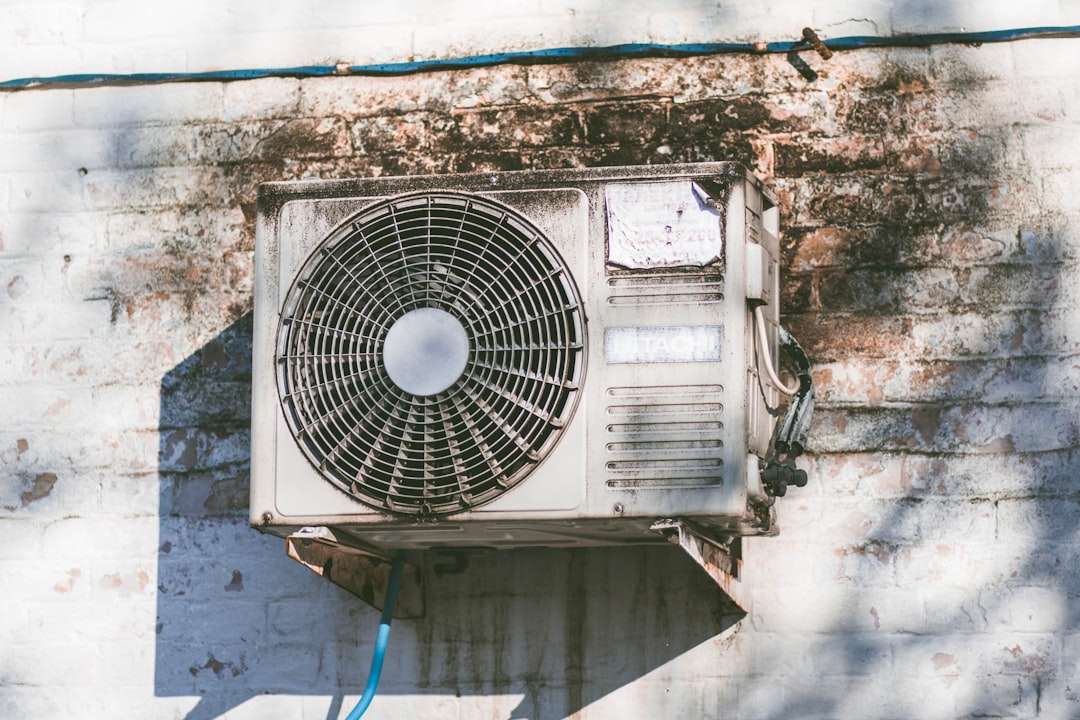
4. Outdoor Clearance: Keep a 2-foot "no-fly zone" around your outdoor condenser unit. Clear away weeds, tall grass, and debris.
For homes that struggle with traditional ducting, you might consider Ductless Heating and Cooling for Homes Without Ductwork as a way to bypass airflow issues entirely in specific rooms.
Professional Airflow Diagnostics
While DIY steps are great, some issues require professional tools. Our technicians use manometers to measure static pressure and anemometers to check the actual velocity of air coming out of your vents.
We can perform "system balancing," which involves adjusting internal dampers in your ductwork to ensure that the air is distributed evenly according to the size of each room. This is especially helpful in multi-story homes where the upstairs always seems ten degrees warmer. For more on choosing the right system for our region, see our Central Air vs Mini-Split High Desert Guide.
Maintenance for Modern Systems
Modern HVAC systems are complex. During a professional tune-up, we don't just look at the AC; we look at the whole "air side" of the system. This includes:
• Ignitor Inspections: Ensuring your furnace's starting mechanism is ready for when the weather turns.
• Coil Cleaning: Using specialized, non-corrosive cleaners to remove the "blanket" of dust from your coils.
• Blower Motor Lubrication: Reducing friction so the motor can move air with less energy.
Whether you are weighing the Ductless vs Ducted Cooling Pros and Cons, regular maintenance is the only way to ensure your investment lasts the full 15-20 years it was designed for.
Frequently Asked Questions about AC Airflow
What is the ideal airflow rate for an AC in Central Oregon?
Because of our dry, high-altitude climate, we typically aim for 450 to 550 CFM per ton. This is higher than the national "standard" of 400 CFM, but it helps compensate for the thinner air and higher sensible cooling loads we experience in the High Desert.
Can a high-efficiency MERV filter actually damage my air conditioner?
Yes, it can. If you use a filter with a MERV rating that is too high (like a MERV 13 or higher) on a system that wasn't designed for it, the filter acts as a major restriction. This increases static pressure and can cause the blower motor to overheat or the evaporator coil to freeze. Always check your system's specifications before upgrading filters.
Why does my AC freeze up even when it is hot outside in Sunriver?
It sounds counterintuitive, but a frozen coil is usually caused by a lack of heat. If airflow is restricted (due to a dirty filter or blocked returns), the refrigerant in the coil gets so cold that it freezes the moisture in the air. Even on a 90-degree day in Sunriver, your AC can turn into an ice block if it can't "breathe."
Conclusion
At Mountain View Heating, we have spent over 40 years helping our neighbors in Bend, Redmond, Sisters, and throughout Central Oregon stay comfortable. We know that how airflow affects your air conditioner's performance is the difference between a home that feels like an oasis and one that feels like an oven.
Our commitment to 100% customer satisfaction means we don't just "fix the unit"—we look at your entire home as a system to ensure you are getting the most efficiency and comfort possible. Whether you need a routine tune-up or 24/7 emergency support, our team is ready to help.