


Facing the First October Cold Snap: Normal Quirks vs. Real Heating Problems
You walk to the thermostat, switch it from 'Cool' to 'Heat,' and wait for that familiar rush of warm air to fill the room. But instead of instant comfort, you are met with a strange burning odor, unsettling mechanical noises, or vents that are barely blowing lukewarm air. When you are searching for home maintenance tips and troubleshooting advice, turning on your heating system for the first time should not feel like a guessing game. At Mountain View Heating, Inc., our team has spent years helping Bend homeowners navigate this seasonal shift. Transitioning from summer cooling to fall heating brings unique stresses to your entire climate control system. The first October cold snap often reveals hidden issues that quietly developed while the heater sat idle for months.
As a homeowner, you need to know how to distinguish between harmless startup quirks and the actual signs of failing components. A brief dusty smell might just be a normal part of the season changing, but a system that constantly shuts off and turns back on is crying out for help. Addressing these early warning signs right now prevents emergency breakdowns later, when deep winter freezes make a working furnace an absolute necessity. Whether you recently needed air conditioning repair during the late summer heat or you are simply looking to secure reliable HVAC services for the upcoming winter, getting your heating system evaluated early is the smartest move you can make for your home.
Why Your Furnace Smells Like Burning Dust After Summer
The problem: Within minutes of turning on your heater for the first time, a distinct, harsh smell of burning dust fills your hallways and living areas. It often triggers smoke alarms and leaves homeowners worried that their system is catching fire.
The cause: This is a highly common issue, especially given our local climate. In our experience serving the Bend and Central Oregon high desert environment, we see systems collect significant summer dust, pollen, and fine airborne particulates. Even in a tightly sealed home, this fine dust gets pulled into your ductwork and settles directly onto the furnace's heat exchanger during the long idle summer months. When the burners ignite for the first time in the fall, the heat exchanger rapidly warms up, literally toasting and burning off that accumulated layer of summer dust.
The solution: In most cases, the best solution is simply to let the system run. Open a few windows to ventilate the house, and the smell should naturally fade within 30 to 60 minutes as the dust completely burns away. You can greatly reduce this annual annoyance by installing a fresh, high-quality air filter right before the heating season begins, which traps the dust before it reaches the heating core.
Identifying Dangerous Odors
While burning dust is normal, other smells indicate a serious hazard. If you detect the sharp, sweet smell of ozone, or the acrid stench of melting plastic and burning wires, this is not a normal part of your October heating startup. These odors point to electrical shorts, failing blower motors, or melting insulation inside the cabinet. If the smell persists beyond the first hour, or if it smells like electrical components rather than simple household dust, turn off the system at the thermostat immediately and shut off the breaker.
Heat Pump Short-Cycling: Handling Extreme Temperature Swings
Short-cycling occurs when your heat pump or furnace turns on, runs for only a few minutes, and then abruptly shuts off before the house reaches the target temperature. It then turns back on moments later, repeating this rapid start-and-stop loop. This is incredibly hard on the equipment. Every time a compressor or blower motor starts up, it draws a massive surge of electricity and undergoes mechanical stress. Short-cycling drastically reduces the lifespan of these heavy-duty components.
During an October heating startup, our technicians frequently respond to calls caused by the extreme day-to-night temperature swings typical of Central Oregon, which put very specific stresses on heat pump systems. Warm, sunny afternoons followed by rapidly freezing nights can confuse the system's outdoor sensors and internal thermostats. If the system is struggling to adapt to these wild swings, or if restricted airflow from a dirty filter is trapping heat inside the unit, internal safety switches will trip, forcing the system to shut down prematurely to prevent overheating.
Ignoring a system that short-cycles will almost certainly lead to premature compressor failure. What starts as a minor sensor miscommunication or airflow restriction quickly escalates into a major mechanical breakdown if the system is allowed to constantly stutter on and off.
The Defrost Cycle vs. Short-Cycling
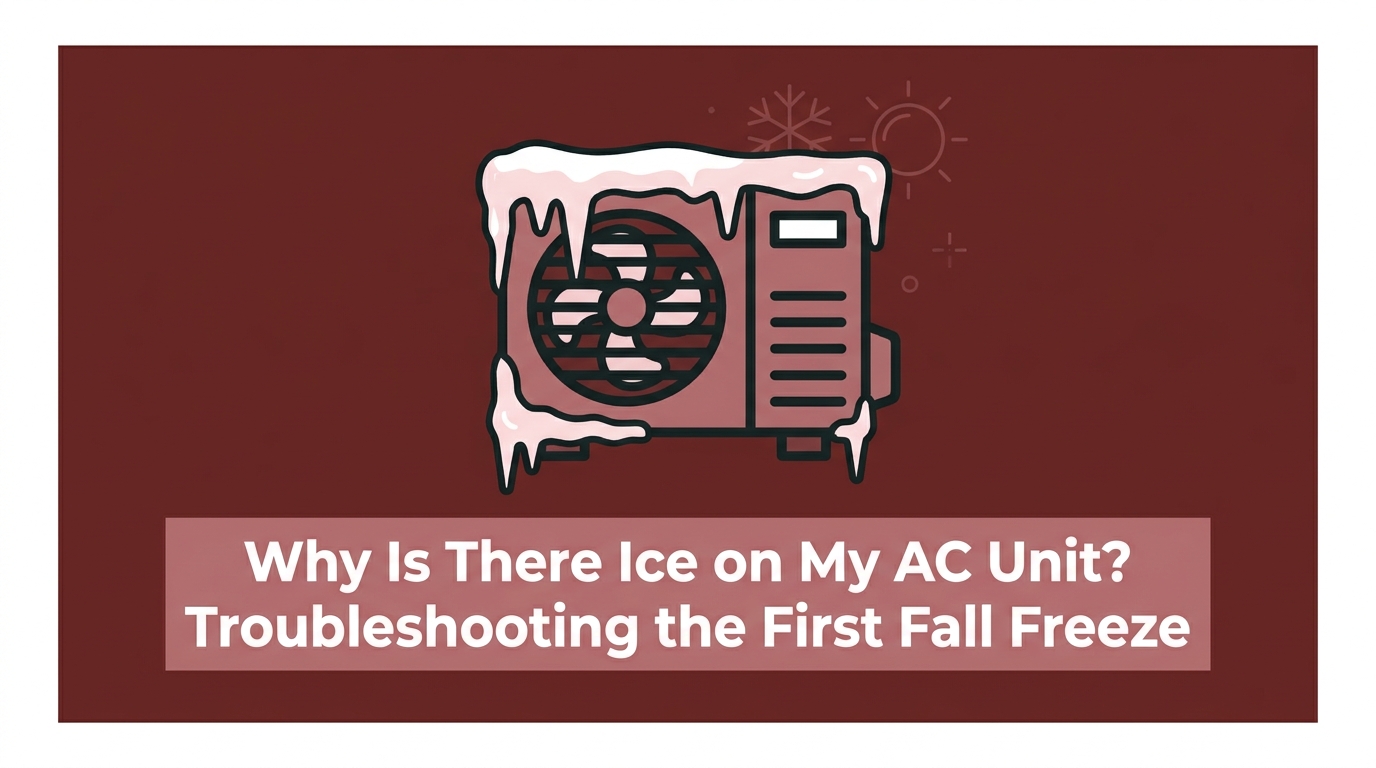
It is important to note that heat pumps have a built-in mechanism called the defrost cycle. When outdoor temperatures drop near freezing, moisture in the air can freeze onto the outdoor coil. The heat pump will temporarily reverse its operation, sending warm refrigerant outside to melt this frost. During this time, the outdoor fan will stop, and you might see steam rising from the unit. This usually lasts 5 to 15 minutes. This is entirely normal and should not be confused with the rapid, repetitive on-and-off behavior of short-cycling.
Lukewarm Air: Simple Thermostat Issues vs. Serious Component Failure
The problem: You hear the fan running and feel air moving out of the floor or ceiling registers, but the air feels barely room temperature. The house refuses to warm up, no matter how high you push the thermostat setting.
The cause: Lukewarm air during an October heating startup can stem from several different sources. In many of the service calls we handle across Bend, a dirty flame sensor in a gas furnace might be shutting down the gas valve just seconds after ignition, leaving only the blower fan running to push unheated air. A failing ignitor will cause the same symptom. For heat pumps, low refrigerant levels prevent the system from absorbing and transferring enough heat from the outside air. Sometimes, the issue is as simple as a thermostat that was accidentally bumped into the wrong mode.
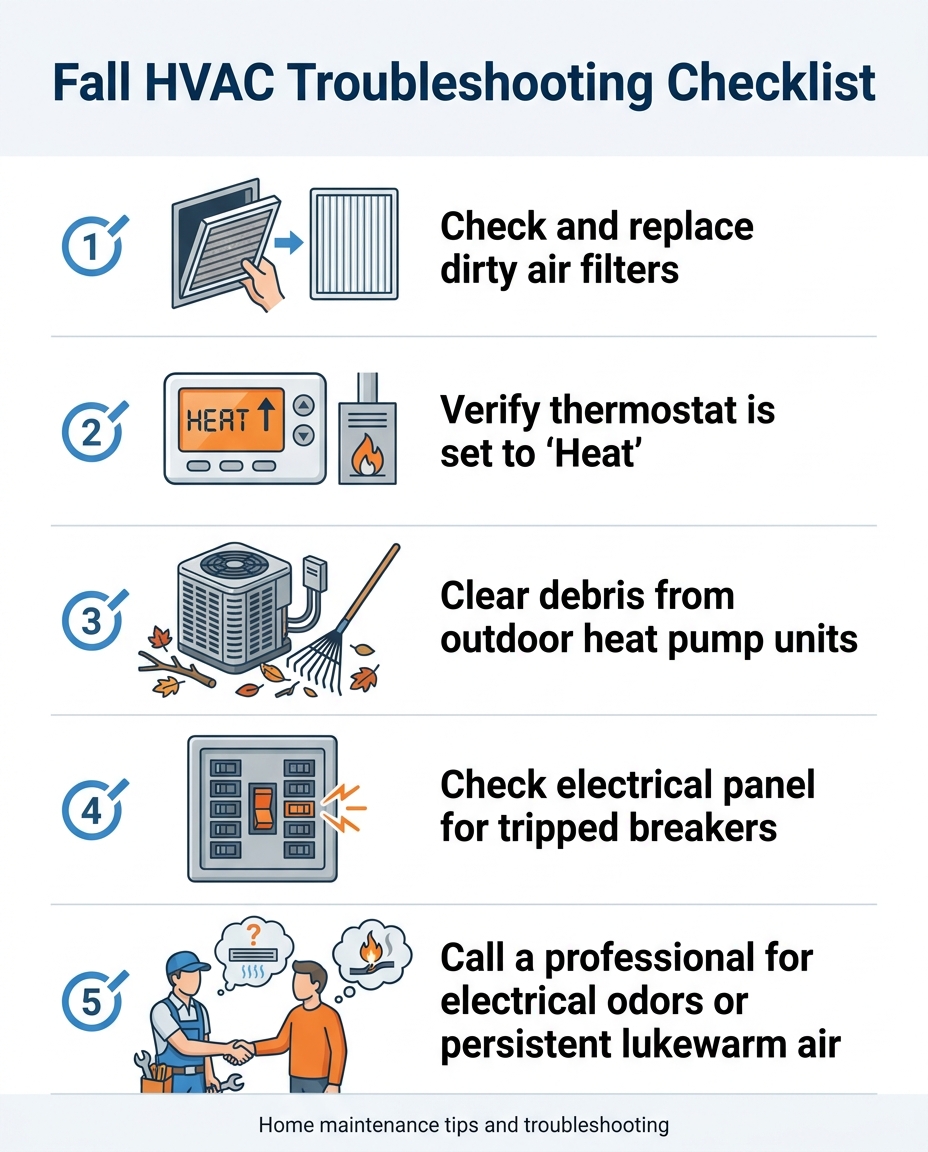
The solution: First, verify that your thermostat is actually set to "Heat" and not just "Fan" or "Cool." Also, ensure it is not set to "Emergency Heat" unless you actually have an emergency, as this bypasses the efficient heat pump and relies solely on expensive electric backup strips. If the settings are correct but the air remains lukewarm, this is a clear indicator that a critical component—like the refrigerant charge or the ignition sequence—is failing and requires professional diagnostic tools.
Checking Your Heat Pump's Outdoor Unit
Before assuming the worst about your lukewarm air, take a walk outside. Fall weather brings falling leaves, pine needles, and wind-blown debris. If the exterior heat pump cabinet is choked with wet leaves or overgrown shrubs, it cannot pull in the air it needs to extract heat. Clearing a two-foot perimeter around the outdoor unit ensures unrestricted airflow and allows the system to operate at maximum efficiency.
Safe Troubleshooting: Where to Draw the Line on DIY Heating Fixes
Modern HVAC systems are complex networks of high-voltage electricity, pressurized refrigerants, and combustible gases. Establishing clear safety boundaries between what you can handle yourself and what requires a licensed technician from a trusted company like Mountain View Heating is critical for your safety and your system's longevity. If you read an article about servicing your AC yourself over the summer, remember that heating systems carry their own unique, and often more severe, risks.
• Check the thermostat batteries: A blank screen or unresponsive thermostat is often just a dead battery. Swap in fresh ones before assuming the heater is broken.
• Replace the air filter: A clogged filter is the number one cause of airflow restrictions and overheating. Change it every 1 to 3 months.
• Verify tripped breakers: Check your home's main electrical panel. If the breaker for the furnace or heat pump has tripped, reset it once. If it trips again immediately, stop and call a professional.
• Never open sealed combustion chambers: Tinkering with gas valves, burner assemblies, or exhaust flues can lead to carbon monoxide leaks or fire hazards.
• Avoid high-voltage panels: The capacitors and wiring inside the main cabinet carry enough voltage to cause serious injury, even when the power appears to be off.
• Protect your warranty: Most manufacturers explicitly state that unauthorized DIY repairs on internal components will instantly void your equipment warranty.

Resolving Poor Air Distribution and Airflow Blind Spots
Sometimes the furnace fires up perfectly, but the heat simply does not reach every room. You might find that the living room is sweltering while the back bedrooms remain freezing cold. These airflow blind spots often become glaringly obvious during the October heating startup, when you finally demand consistent warmth throughout the house.
Poor air distribution usually traces back to physical blockages or hidden ductwork issues. Heavy winter furniture might be pushed directly over floor registers, or return grilles might be blocked by dense rugs. In older homes, ductwork can separate at the seams over time, spilling precious warm air into the attic or crawlspace before it ever reaches your living areas. Comprehensive system analysis is often required to identify these distribution flaws and balance the airflow correctly.
These issues can sometimes be linked to connected indoor air quality equipment. During one recent routine maintenance visit, one of our Mountain View Heating technicians performing a seasonal checkup detected a significant problem with a system's integrated humidifier. Because our team is thorough, we coordinated a professional repair right then and there. The humidifier problem was quickly resolved, which not only fixed the moisture levels in the home but also restored proper, balanced airflow through the ductwork, exceeding the homeowner's expectations.
The Impact of Dirty Filters on Air Pressure
When a filter is heavily clogged with dirt and pet dander, it acts like a wall. The blower motor has to work twice as hard to pull air through that barrier. This severe restriction drops the static pressure inside your ductwork. As the pressure drops, the warm air loses its momentum. It might have enough force to reach the vents closest to the furnace, but it will barely trickle out of the vents in the most distant rooms of the house.
The Value of Professional Diagnostics and Preventative Maintenance
There is a massive difference between guessing at a symptom and accurately diagnosing the root cause. When you rely on trusted local expertise, you get accurate, long-term diagnostics rather than temporary quick fixes that leave you vulnerable to another breakdown next month. Modern heating systems require specialized gauges, multimeters, and training to calibrate properly.
Routine inspections uncover hidden issues before they cause total breakdowns. A technician can spot a fraying fan belt, a weak capacitor, or a hairline crack in a heat exchanger long before those components fail completely. Preventative care maintains your system's efficiency, keeps your monthly energy costs predictable, and ensures your equipment operates safely. Furthermore, keeping your system in top shape ensures you meet the requirements if you ever need to claim federal tax credits that may apply to qualifying heat pump installations or high-efficiency upgrades.
Consistent maintenance is particularly valuable when timelines are tight. For instance, a homeowner at a Bend vacation property recently called us needing service on a very narrow weekend timeline, from Friday through Sunday. Our technician arrived promptly, performed thorough maintenance on the entire HVAC setup, and even repaired a malfunctioning propane fireplace during the same visit. This comprehensive approach guarantees that every piece of heating equipment is verified and safe before the deep winter cold arrives. Securing a reliable preventative maintenance plan ensures your home receives this exact level of proactive care year after year.
Prepare Your Home for Winter with Trusted Local Expertise
Addressing your fall startup symptoms early is the best way to protect your home and your budget. Whether you are dealing with brief dust odors, frustrating short-cycling, or vents that refuse to blow hot air, taking action during the first October heating startup prevents minor wear and tear from becoming a major emergency.
You deserve the peace of mind that comes with a fully vetted, safe, and efficient heating system. Do not wait until the first heavy snowstorm to find out if your furnace is up to the task. By scheduling a professional assessment now, you ensure your equipment is calibrated, safe, and ready to handle whatever the season brings. If you live within our Central Oregon service areas, reach out to the Mountain View Heating team to schedule your comprehensive fall heating inspection before the deep winter cold sets in.
Frequently Asked Questions
Why does my heater smell like burning when I turn it on for the winter?
The most common cause of a burning smell during the first fall startup is dust and debris that has settled on the heat exchanger over the summer. When the furnace ignites, this dust simply burns off, creating a temporary odor. The smell should dissipate within 30 to 60 minutes; if it smells like melting plastic or ozone, shut the system off immediately and call a professional.
Why is my heat pump blowing lukewarm air?
Lukewarm air can be caused by incorrect thermostat settings, a dirty air filter restricting airflow, or low refrigerant levels that prevent the system from absorbing heat. In gas systems, a dirty flame sensor might be shutting off the burners prematurely. Always check your thermostat mode and air filter first before calling for a diagnostic check.
What HVAC maintenance can I do myself?
Homeowners can safely replace air filters every 1 to 3 months, swap out dead thermostat batteries, and clear leaves and debris away from the outdoor heat pump cabinet. You can also check your main electrical panel for tripped breakers. Any task involving opening sealed cabinets, handling wiring, or checking refrigerant levels must be left to a licensed technician.
When should I call a professional for furnace repair?
You should call a professional if your system is short-cycling (turning on and off rapidly), blowing consistently cold air, or making loud grinding or squealing noises. Additionally, if you smell electrical burning or gas odors, turn the system off and request emergency service immediately. Prompt professional attention prevents small issues from destroying expensive internal components.
How often should I change my HVAC filter during the fall?
During the heavy usage months of fall and winter, you should inspect your air filter once a month and replace it at least every 90 days. If you have multiple pets, live in a particularly dusty area, or run the fan continuously, you may need to replace the filter every 30 to 45 days to maintain proper airflow.
Can extreme day-to-night temperature swings damage my heat pump?
Extreme temperature swings do not directly damage the equipment, but they do force the system to work much harder to adapt to rapidly changing heating loads. This heavy workload can expose existing weaknesses, such as failing sensors or poor airflow, leading to short-cycling. Regular maintenance ensures your heat pump is calibrated to handle these dramatic weather shifts efficiently.