






HVAC Installation in Bend, OR
When you’re dealing with an outdated system, uneven temperatures, rising energy bills, or equipment that no longer fits your needs in Bend, OR, it’s time to get the problem handled correctly. Mountain View Heating is known for honest pricing, dependable service, and trusted technicians, using a targeted inspection to match the right system, eliminate the problem, and help keep the issue from coming back with a proper installation. When your current setup can no longer keep up, we install quickly to restore reliable whole-home comfort.
Why proper HVAC installation matters in Bend, OR
- Local climate demands both reliable heating and effective cooling: many homes need year-round capability.
- Low humidity and large temperature swings make system sizing and controls critical to avoid short cycling and comfort gaps.
- Wildfire smoke and dust events increase the importance of filtration and ventilation choices for indoor air quality.
A correctly specified and installed system reduces breakdowns, improves efficiency, and keeps your home comfortable throughout Bend’s seasonal extremes.
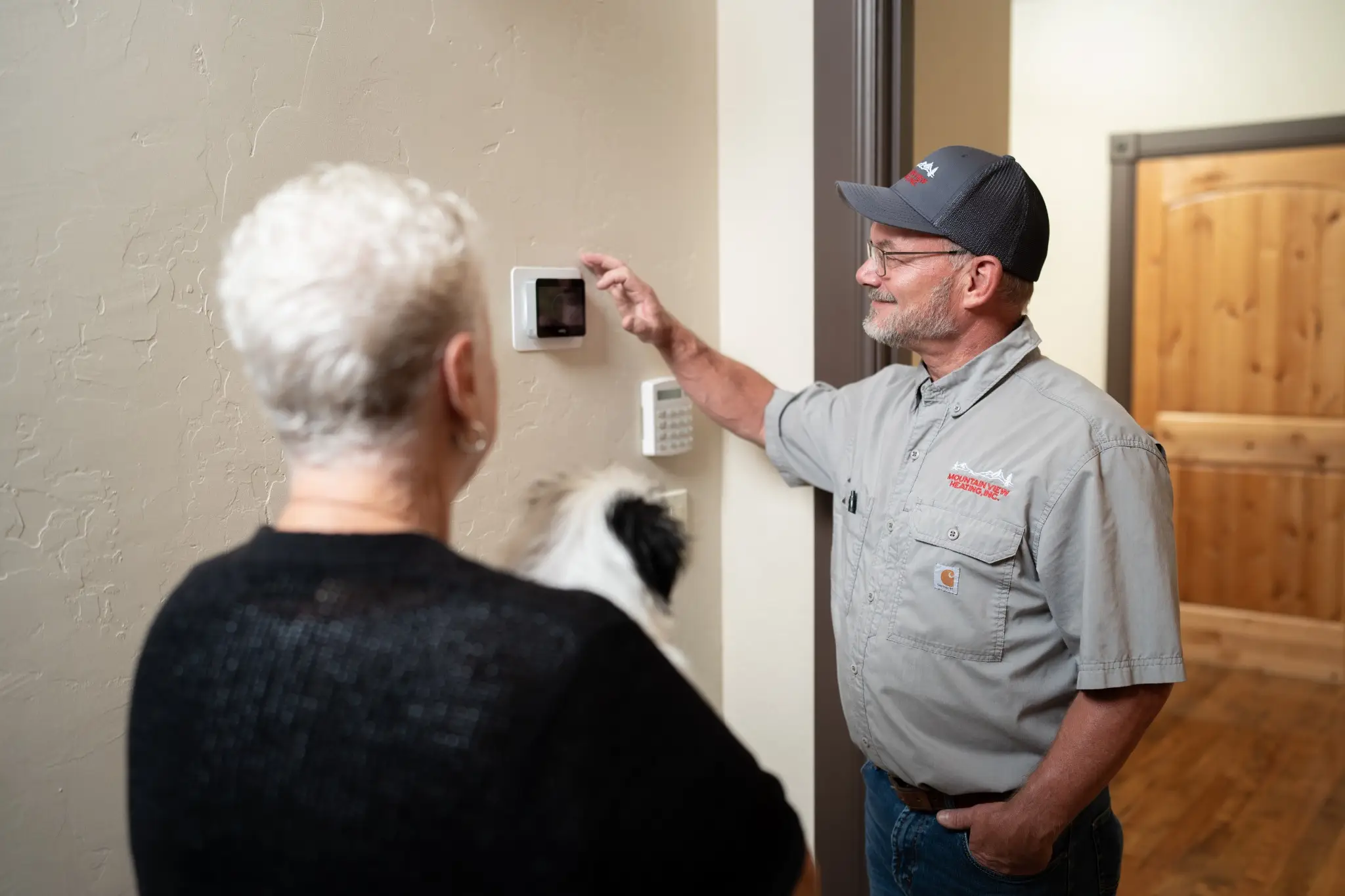
Common HVAC installation types and common HVAC installation issues in Bend
- Furnace installation (gas or electric) common in older Bend homes that rely primarily on gas heat.
- AC installation (central air) needed for peak summer comfort in central Oregon.
- Heat pump installation is increasingly common in Bend for efficient heating and cooling, including cold-climate heat pump options that perform well in subfreezing temperatures.
- Ductless mini-splits ideal for additions, outbuildings, or homes without existing ductwork.
Common issues at installation time include undersized equipment, improperly sealed ducts, inadequate refrigerant charge, and missing or poorly located thermostats all of which reduce comfort and increase operating costs.
System evaluation and proper sizing
Proper sizing starts with a room-by-room load calculation (Manual J) not a rule-of-thumb based on square footage. A Manual J takes into account:
- Local climate data for Bend (heating degree days, cooling degree days, typical temperature extremes)
- Home orientation, insulation levels, attic and wall construction
- Window type and solar gain
- Air infiltration and duct losses
Correct sizing prevents short cycling, uneven temperatures, and premature equipment wear. For ducted systems, a corresponding duct design (Manual D) ensures adequate airflow to each room.
Equipment selection: furnaces, ACs, heat pumps
- Furnaces: Look at AFUE ratings for heating efficiency. In Bend, durable performance in cold snaps is essential.
- Air conditioners: SEER ratings determine cooling efficiency; variable-speed compressors improve dehumidification and comfort.
- Heat pumps: Cold-climate heat pumps now provide reliable heat well below freezing and combine heating and cooling in one system a strong option for many Bend homes.
When choosing equipment, consider efficiency ratings, climate suitability, expected runtime, and warranty coverage. Matching the right system to your home’s needs is more important than picking the highest efficiency model without proper sizing.
Ductwork vs ductless solutions
- Ducted systems: Best for full-house comfort when ducts are in good condition. Properly sized and sealed ducts are essential for efficiency.
- Ductless mini-splits: Great for homes without ducts, room additions, or spot conditioning. They minimize invasive installation work and provide zoned control.
- Ductwork considerations in Bend: Older homes frequently have leaky or undersized ducts. Sealing, insulating, and potentially re-routing ducts during installation can yield substantial efficiency gains and comfort improvements.
The installation process (what to expect)
- Pre-install assessment: Load calculations, duct inspection, utility and electrical review.
- Site preparation: Safe removal and disposal of the old system, protecting floors and furnishings.
- Equipment placement and connection: Proper mounting, refrigerant line installation, gas and electrical hookups, and duct transitions.
- Ductwork modifications and sealing: Sizing, sealing with mastic or UL-181 tape, and insulating exposed duct runs.
- Controls and thermostat setup: Installing compatible thermostats and configuring zoning where applicable.
- Commissioning and testing: Refrigerant charge, airflow testing, combustion safety checks (for gas appliances), and performance verification across modes.
- Post-install documentation: Providing model numbers, efficiency ratings, and explaining basic operation and maintenance needs.
Thorough commissioning and testing are what separate a reliable installation from a cosmetic swap-out.
Warranties and post-installation testing
Understand manufacturer warranties for compressors, heat exchangers, and electronics, plus any workmanship warranty from the installer. Post-install testing should include:
- Airflow and static pressure measurements
- Refrigerant charge verification
- System run tests at multiple setpoints
- Combustion and venting safety checks for furnaces
These tests confirm the system is operating to specification and protect your warranty coverage.
Energy-efficiency and indoor air quality options for Bend homes
- High-efficiency furnaces, high-SEER ACs, and cold-climate heat pumps can reduce energy use in Bend’s variable climate.
- Variable-speed blowers and multi-stage compressors improve comfort and reduce temperature swings.
- Advanced filtration (MERV-rated filters, whole-house purifiers) and options for whole-house ventilation help during wildfire season and reduce allergens and dust.
- Smart thermostats and zoning can optimize comfort while lowering operating costs.
Common problems new installations prevent (and what to watch for afterward)
- Short cycling from oversized equipment
- Uneven temperatures from poor duct design or airflow
- High energy bills from leaks, poor insulation, or incorrect refrigerant charge
- Indoor air quality issues from inadequate filtration or lack of ventilation
Regular seasonal maintenance, proper filter changes, and occasional performance checks preserve system efficiency and longevity.
Long-term benefits and maintenance
A properly installed HVAC system provides consistent comfort, lower utility bills, improved indoor air quality, and longer equipment life. Annual tune-ups, filter replacement, and timely repairs keep systems performing as installed. In Bend, paying attention to both heating performance for cold months and filtration for wildfire season protects comfort and health year-round.
Choosing the right system for your Bend home starts with a thorough evaluation and ends with careful commissioning and post-installation testing. Proper sizing, thoughtful equipment selection, and attention to ductwork and indoor air quality create reliable comfort that fits Bend’s unique climate and your household needs.
Call Us Today
A professional HVAC installation in Bend, OR ensures year-round comfort, reliable performance, and lasting energy savings for your home. With decades of local experience, Mountain View Heating, Inc. understands the unique challenges of Central Oregon’s high-desert climate from cold winter nights to summer smoke and dust. Our certified technicians focus on precision sizing, expert ductwork, and thorough post-install testing to guarantee efficiency, safety, and clean indoor air.
Protect your investment and enhance comfort with flexible financing options and our trusted Comfort Club maintenance plan. Experience dependable comfort through every season contact us today to schedule your HVAC installation with Mountain View Heating, Inc. in Bend, OR.